
Ai Content Generator
Ai Picture
Tell Your Story

 Blakely Hoodie
From Tokyo to the World: The Story of Seiko Watches
In the world of horology, few brands embody the perfect blend of tradition, innovation, and accessibility quite like Seiko. What started as a small watch and clock repair shop in Tokyo in 1881 has grown into a global icon, shaping not only the Japanese watch industry but also the entire world of timekeeping. Seiko’s https://seikowatch.co.uk/ journey from humble beginnings to worldwide recognition is a story of vision, relentless pursuit of excellence, and the drive to make precision timekeeping available to everyone.
The Humble Beginnings in Tokyo
Seiko’s story begins with Kintarō Hattori, a young entrepreneur who opened a small watch and clock repair shop in Tokyo’s Ginza district in 1881. At a time when most watches in Japan were imported from the West, Hattori envisioned a future where Japan could create timepieces that rivaled, and even surpassed, foreign craftsmanship. His motto, “Always one step ahead of the rest,” became the guiding philosophy of Seiko.
In 1892, Hattori founded the Seikosha factory, producing wall clocks before moving on to pocket watches and, eventually, wristwatches. The name “Seiko,” which means “exquisite” or “success” in Japanese, was officially adopted in 1924, marking the start of a brand identity that would soon resonate around the world.
Pioneering Innovations
Seiko’s rise from Tokyo to the global stage can largely be attributed to its pioneering innovations. The brand consistently pushed boundaries, often setting the standard for the industry.
First Wristwatch Made in Japan (1913): Seiko produced the Laurel, the country’s first wristwatch, showcasing Japan’s capability in precision craftsmanship.
Introduction of Quartz (1969): Seiko launched the Quartz Astron, the world’s first quartz wristwatch, a development that revolutionized the industry with accuracy far beyond mechanical watches. This innovation sparked what became known as the “Quartz Revolution.”
Spring Drive (1999): After decades of research, Seiko introduced its groundbreaking Spring Drive movement, which combined the artistry of mechanical watchmaking with the precision of electronic regulation.
Diver’s Watches: Seiko was also a pioneer in professional diving watches, introducing Japan’s first diver’s watch in 1965 and setting international standards with models renowned for durability and reliability.
Each of these milestones reflects Seiko’s philosophy of being “one step ahead,” consistently bringing new technology to watchmaking.
Expanding Beyond Japan
Seiko’s influence quickly spread beyond Japan, finding fans across Europe, the United States, and Asia. Its reputation grew during the 1964 Tokyo Olympics, where Seiko served as the official timekeeper—a major step in showcasing Japanese precision on the world stage. The company’s quartz technology soon became a global phenomenon, changing the landscape of affordable and accurate wristwatches.
Unlike some luxury brands that targeted only the elite, Seiko offered watches for every type of wearer. From entry-level timepieces to advanced models like Grand Seiko, Seiko built a brand identity around accessibility without compromise. This democratization of quality watches helped it capture a worldwide audience.
Style That Transcends Borders
While innovation drove its global reputation, Seiko’s design philosophy also played a crucial role in its expansion. The brand managed to balance elegance with practicality, producing collections that spoke to both professionals and style-conscious wearers.
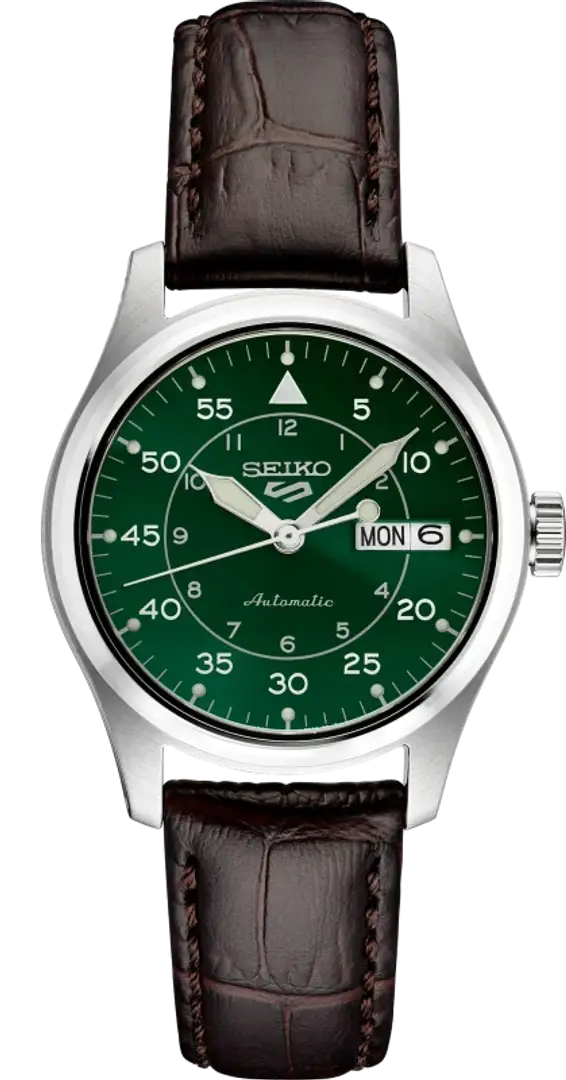
The Seiko 5 Sports line became a favorite among younger generations for its durability and affordability.
The Presage line highlighted Japanese artistry, with enamel dials and intricate finishing appealing to those who valued traditional craftsmanship.
The Prospex collection became a global standard for professional sports and diving watches.
With Astron GPS Solar, Seiko showcased a fusion of modern technology and convenience for the international traveler.
Each collection spoke a universal language of style, allowing Seiko to resonate with diverse cultures while retaining a distinctly Japanese identity.
Grand Seiko: Japan’s Luxury Statement
One of Seiko’s proudest achievements was the creation of Grand Seiko in 1960. Developed to rival the Swiss luxury watch industry, Grand Seiko exemplifies the brand’s highest standards of craftsmanship, accuracy, and beauty. Today, Grand Seiko stands as an independent luxury brand but remains deeply tied to Seiko’s legacy of excellence. Its recognition among global collectors demonstrates how a brand born in Tokyo could rise to compete with centuries-old European watchmakers.
The Legacy Today
From Tokyo to the world, Seiko has remained true to its mission: to provide precision, innovation, and timeless design at every level. The brand’s legacy is one of inclusivity—offering something for everyone, whether it’s a young professional buying their first wristwatch or a seasoned collector searching for a masterpiece.
Seiko continues to innovate with sustainable technologies like solar-powered watches and advanced materials, proving that its journey is far from over. Its commitment to being “one step ahead” ensures that Seiko will remain relevant in a rapidly changing industry.
Final Thoughts
The story of Seiko is not just about watches—it is about vision, perseverance, and the pursuit of excellence. What began as a small repair shop in Tokyo has grown into a global powerhouse that has shaped modern watchmaking. From the first Japanese wristwatch to quartz revolutions and Spring Drive innovations, Seiko’s impact is undeniable.
Today, Seiko stands as a symbol of how Japanese ingenuity and craftsmanship can transcend borders, influencing the way the world measures and values time. Truly, Seiko’s journey from Tokyo to the world is a story of timeless success.
Related Posts
© 2025 Invastor. All Rights Reserved
User Comments