
Ai Content Generator
Ai Picture
Tell Your Story

 Serviced fire Equipment
Preventing Fires on Construction Sites: Best Practices and Strategies
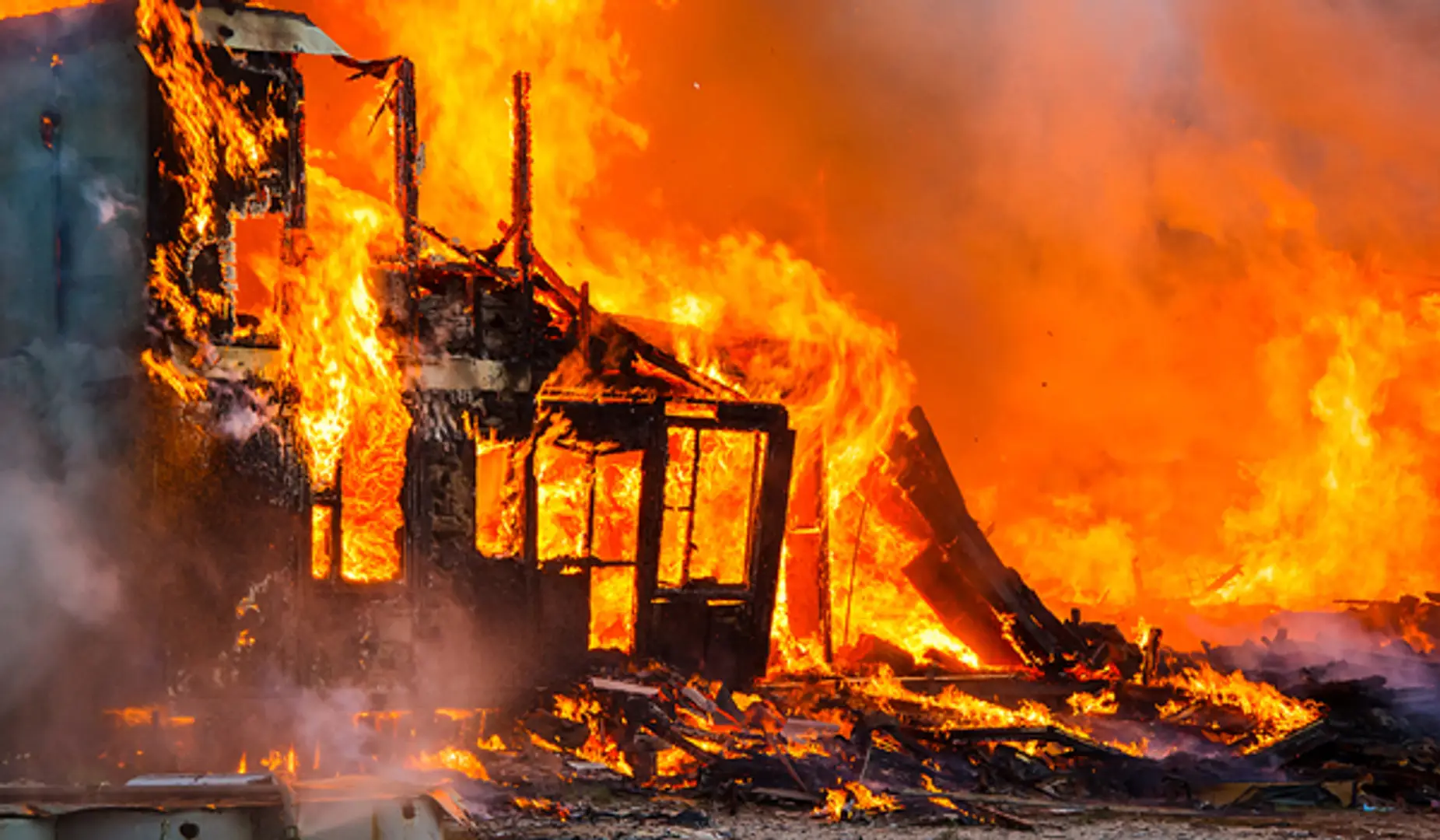
It’s not the fire that causes the most damage — it’s not being ready. When a work site goes up in flames, the consequences aren’t just charred supplies or lost equipment. People get killed, deadlines get missed, and the cost can be financially devastating. That’s why fire prevention is not just an issue of regulatory safety — it’s becoming a professional and competent work site.
Rather than starting with the generic tick-list, let’s consider hard-learned lessons on the ground. Any seasoned site manager will have had that split second when a lapse in attention — a spark from a welder, a dropped cigarette, or an overloaded extension lead — might have led to disaster. The sites that remain safe are those where safety isn’t second best; it’s part of the work culture.
The Three Golden Fire Safety Rules on Construction Sites
In theory, fire prevention is complex, but in reality, it is simply an issue of three golden rules: control ignition sources, keep flammable material under control, and train your team.
- Control Ignition Sources
Construction sites are where there are operations producing heat in abundance — welding, cutting, grinding, or malfunctioning electrical gear. The best sites:
Enforce hot work permits prior to welding or cutting.
Keep equipment well-maintained in operating condition in order to prevent sparks.
Utilize designated areas with screens of safety for operations that generate high temperatures.
- Control Flammable Materials
A cluttered workplace isn’t just inefficient — it’s dangerous. Paper, wood chips, flammable liquids, and shipping materials can fuel a small flame into a blazing fire in seconds. Store fuels and solvents in fireproof cabinets, empty the trash every day, and keep combustibles away from their sources of heat.
- Train Your Employees
Even the best fire protection equipment may not work if people are unsure what to do. Triennial training drills, proper extinguisher training, and incentives for reporting hazards may be the difference between disaster and near miss.
Beyond the Basics: Advanced Fire Prevention Strategies
For larger jobs, some extra protection is a smart idea. Automatic heat or smoke detection systems, certified fire watch staff for high-hazard operations, and temporary sprinklers in high-hazard areas are well worth the cost. Modifying work scheduling when the weather gets bad — modifying hot work in windy and dry conditions, for example — also can reduce risk.
The Human Factor: Why Culture Matters
Equipment and policies help, but the workplace culture is the game-changer. If foremen set the example with PPE, check fire extinguishers, and insist on clean storage, crews will follow. Complacency is the enemy; a safe workplace is created through continuous care, not forms.
Learning from Other Industries
Vigilance can be learned from unexpected places — even video games. Good players of Fortnite do not simply use the best fortnite guns or memorize the fortnite best guns by name; instead, strategy, position, and timing are utilized. The best shotgun in fortnite equivalent — the new extinguisher or detection device — will be useless unless well-placed, timely, and supported by quick response.
This cross-disciplinary mindset forces building directors to think safety differently, taking notes from wherever they see effectiveness and caution.
Real-World Case Study
At a city skyscraper construction site, there was a small electrical fire that started in a storage box. Because the crew had placed smoke detectors, stored paint to be sprayed with a flammable substance in a specially reserved storage area, and had a qualified laborer present, the fire was put out before it could get any strength. The cost was a replacement of a single extinguisher; the payoff was possible millions of dollars worth of damage and delay avoided.
Last Word
Preventing fires on construction sites isn’t about memorizing rules — it’s about creating habits and enforcing them daily. Every beam, cable, and nail represents progress toward the final build, but all of it can vanish in minutes if safety slips.
Like in any high-stakes environment, preparation beats reaction. Whether it’s spotting a welding spark or knowing exactly where the nearest extinguisher is, those small actions are what keep projects safe, on schedule, and within budget. Partnering with a reliable Fire Extinguisher Service ensures that your equipment is always ready when you need it most, giving crews the confidence to act quickly and effectively if an emergency strikes.
Related Posts
© 2025 Invastor. All Rights Reserved
User Comments