
Ai Content Generator
Ai Picture
Tell Your Story

 Major Vehicle Exchange
Passenger Bus Resale Trends: When Is the Best Time to Sell or Trade-In?
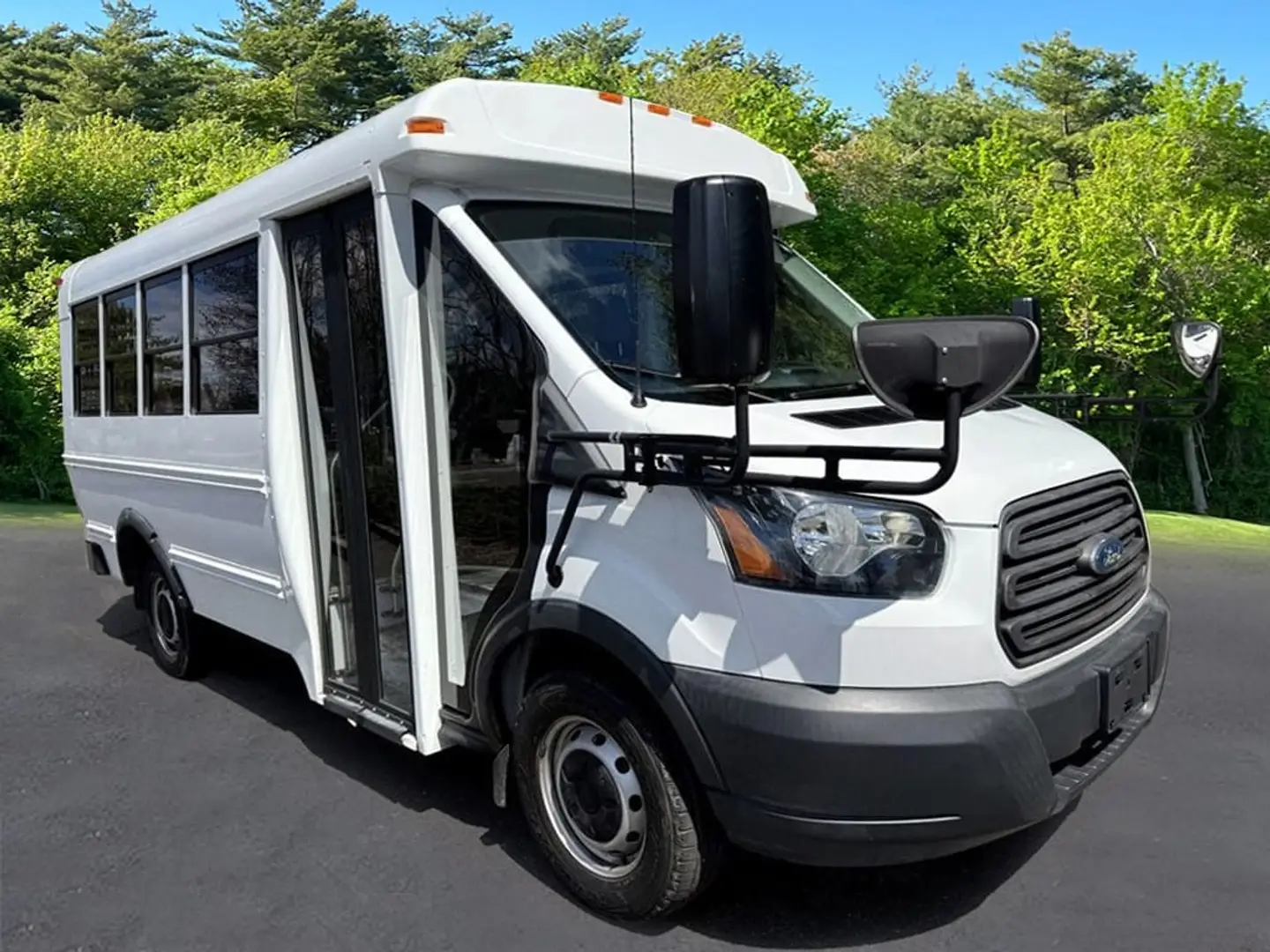
Thinking about putting your passenger bus for sale? You’re not alone! Many businesses, schools, and shuttle companies regularly need to upgrade their fleet or reduce extra vehicles. But just like cars or trucks, buses lose value over time. Choosing the right moment to sell or trade can make a big difference in what you get in return. At Major Vehicle Exchange, we help you understand how timing, condition, and market demand all play a part in the resale process. Visit getanybus.com to explore your options.
Why Timing Matters in the Bus Resale Market
Timing plays a big role when it comes to resale value. Most passenger buses begin to drop in price after a few years, especially with daily use. However, a bus in good shape and under 150,000 miles remains attractive to many buyers.
Spring and early summer are usually the best times to sell. Schools, camps, and travel groups start looking for buses as the weather warms up. This means more buyers and better offers.
Avoid selling late in the year. Fall and winter tend to slow down for the bus market, as many groups already have what they need.
Mileage, Age, and Maintenance Records Count
Buyers pay close attention to how much the bus has been used. A well-maintained 7-year-old bus with low mileage often sells faster than a 5-year-old bus with worn parts. Buyers want to avoid unexpected repair costs.
Keep all service records and inspection details handy. These build trust and show that the bus has been cared for. Cleaning the bus inside and out before showing it also helps. Small touches like fresh seats and working lights can boost your sale price.
Market Demand and Bus Type Can Affect Value
Different bus types sell at different speeds. For example, 15-passenger shuttle buses are popular since they often don’t require a commercial license. These tend to sell faster than large school buses or motor coaches.
Diesel engines typically last longer than gas ones, which can increase resale value. But some buyers prefer gas engines for lower maintenance costs.
If your bus has special features like wheelchair access, highlight those. These upgrades attract serious buyers and better prices.
Is It Better to Trade or Sell?
Selling on your own might bring in more money, but it takes time and effort. You need to list your bus, meet potential buyers, and handle paperwork. Trading in at a dealership is faster and lets you apply the trade-in value toward your next bus.
If you’re in a hurry or want a simpler process, trading in might be better. If you can wait for the right buyer, selling directly could earn more.
Planning Ahead for Future Resale
Thinking about resale from the start is smart. Choosing a bus that holds value, keeping it well maintained, and storing it properly all help.
If your bus is still in good shape but no longer fits your needs, now might be a great time to upgrade. Many buyers look for used shuttle buses for sale, especially clean and refurbished models.
Final Insights
Selling your passenger bus at the right time can make a big difference. Pay attention to mileage, market trends, and buyer demand. If you’re ready to move on from your current bus, now could be the perfect moment to attract buyers looking for used shuttle buses for sale. For quality buses and expert guidance, trust Major Vehicle Exchange. Visit getanybus.com today.
Frequently Asked Questions
Q1: How do I know the best time to sell my passenger bus?
Spring and early summer usually bring the best market demand and higher offers.
Q2: What documents should I prepare before selling?
Service records, inspection reports, and maintenance history help buyers trust your bus’s condition.
Q3: Can I sell my bus if it has high mileage?
Yes, but lower mileage and good maintenance increase your chances of a faster sale and better price.
Q4: What types of buses sell faster?
Smaller shuttle buses, especially 15-passenger models, tend to sell faster than large coaches or school buses.
Q5: Is trading in my bus a good option?
Trading in saves time and effort but might bring less money than selling privately.
Related Posts
© 2025 Invastor. All Rights Reserved
User Comments