
Ai Content Generator
Ai Picture
Tell Your Story

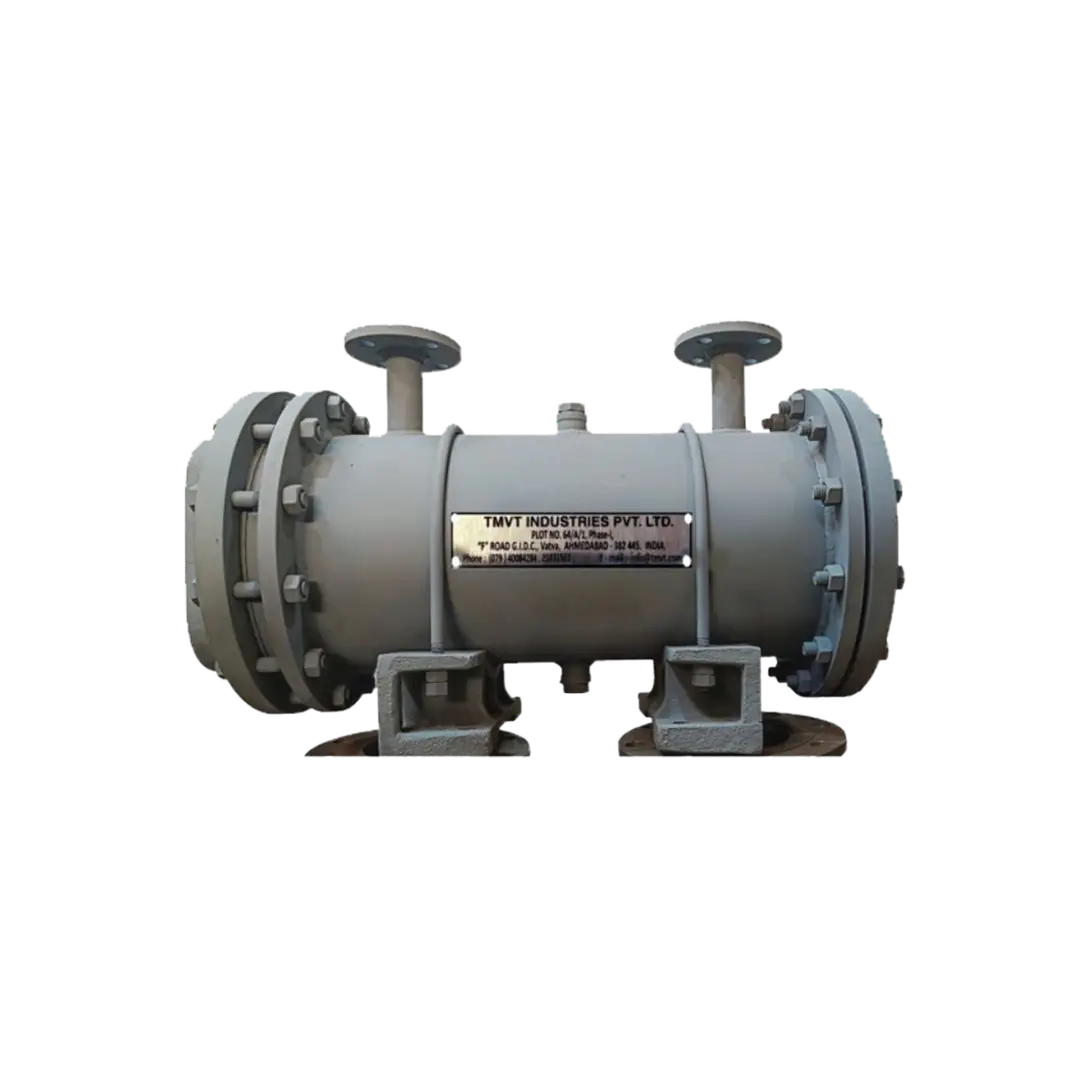
 TMVT Industries
Why Material Quality Matters in Heat Exchanger Manufacturing
Heat exchangers are critical components in a vast range of industries—from power generation and chemical processing to HVAC systems and food production. The reliability, efficiency, and longevity of these systems heavily depend on the materials used in their construction. As a trusted heat exchanger manufacturer, ensuring the use of high-quality materials is fundamental to delivering products that meet the rigorous demands of industrial operations.
At TMVT, a leading heat exchanger manufacturer, material selection is one of the core pillars of our manufacturing process. Understanding why material quality matters in heat exchanger manufacturing can help industries optimize their operations, reduce downtime, and save on costly repairs or replacements.
This article delves into the importance of material quality and its impact on heat exchanger performance, durability, and safety.
The Role of Heat Exchangers in Industry
Before diving into the specifics of materials, it’s important to appreciate the role heat exchangers play. These devices facilitate the transfer of heat between two or more fluids without mixing them. This process is essential in controlling temperatures, improving energy efficiency, and ensuring safety in various processes.
Heat exchangers are found in power plants, oil refineries, chemical plants, refrigeration systems, and even everyday appliances like air conditioners. Given their critical function, any failure or inefficiency can lead to significant operational disruption or safety hazards.
What Are Heat Exchangers Made Of?
Heat exchangers consist of components like tubes, shells, plates, gaskets, and fins. Each of these parts must be made from materials that can withstand thermal stresses, corrosion, pressure, and other operational challenges. Common materials include:
- Stainless Steel: Known for its corrosion resistance and strength. Widely used in food, pharmaceutical, and chemical industries.
- Carbon Steel: Economical and strong but less corrosion-resistant. Often used in less aggressive environments.
- Copper and Copper Alloys: Excellent thermal conductivity but susceptible to corrosion.
- Titanium: High corrosion resistance, especially in seawater applications, but expensive.
- Nickel Alloys: Used in highly corrosive environments for their excellent durability.
Why Material Quality Matters
1 Durability and Longevity
The quality of materials directly affects the lifespan of a heat exchanger. Inferior or substandard materials degrade faster under operational conditions, leading to early failure. High-quality metals resist wear and tear, withstand thermal cycling, and tolerate high pressures, which means the heat exchanger lasts longer, providing better return on investment.
2 Corrosion Resistance
Corrosion is one of the most common causes of heat exchanger failure. When materials corrode, leaks occur, contaminating the fluids and reducing efficiency. Choosing corrosion-resistant materials or high-grade alloys prevents this, ensuring consistent performance and minimizing maintenance.
3 Thermal Conductivity
Efficient heat transfer depends on materials with good thermal conductivity. Using poor-quality or inappropriate materials can result in heat loss, reducing the overall system efficiency. High-quality metals with proven thermal properties maximize heat exchange, improving energy savings.
4 Mechanical Strength
Heat exchangers operate under varying pressures and temperatures. Materials must have sufficient mechanical strength to withstand these conditions without deforming or cracking. Using materials with inferior mechanical properties risks catastrophic failures, safety hazards, and costly downtime.
5 Compliance with Industry Standards
Regulatory bodies set stringent standards for materials used in industrial equipment to ensure safety and performance. Reputable heat exchanger manufacturers source certified materials that comply with these standards, reducing liability and ensuring customer trust.
Common Challenges Addressed by Quality Materials
1 Fouling and Scaling
Deposits from fluids can accumulate on heat exchanger surfaces, leading to fouling and scaling. These reduce heat transfer efficiency and increase energy consumption. Materials that resist deposit buildup, such as stainless steel and titanium, help mitigate this issue.
2 Thermal Expansion and Stress
Heat exchangers experience constant temperature fluctuations causing expansion and contraction. Poor-quality materials may crack or warp under these stresses, while quality alloys maintain structural integrity.
3 Chemical Compatibility
In chemical processing industries, heat exchangers handle aggressive fluids that can degrade metals. Selecting materials compatible with these chemicals prevents damage and extends equipment life.
Economic Impact of Material Quality in Heat Exchanger Manufacturing
While high-quality materials may have a higher upfront cost, they provide significant cost savings over the equipment’s lifecycle. Benefits include:
- Reduced Maintenance Costs: Less frequent repairs and replacements.
- Lower Downtime: Avoiding unexpected shutdowns due to failures.
- Energy Efficiency: Better thermal performance reduces operational costs.
- Longer Service Life: Delays the need for capital investment in new equipment.
How TMVT Ensures Material Quality
As a premier heat exchanger manufacturer, TMVT implements stringent quality control measures at every stage of production. Our processes include:
- Sourcing from Certified Suppliers: We procure materials only from trusted vendors with documented quality assurance.
- Material Testing: Rigorous testing for chemical composition, mechanical properties, and corrosion resistance.
- Advanced Manufacturing Techniques: Precision fabrication to avoid material damage.
- Regular Audits: Ensuring ongoing compliance with international standards.
These steps guarantee that every heat exchanger we produce meets or exceeds industry requirements, ensuring reliable, efficient performance.
Selecting the Right Material for Your Application
Choosing the optimal material requires a detailed understanding of your operating environment, including:
- Fluid types and temperatures
- Operating pressures
- Potential corrosive elements
- Thermal cycling frequency
- Budget constraints
A knowledgeable heat exchanger manufacturer can guide you through this selection process to tailor solutions that meet your exact needs.
Future Trends in Heat Exchanger Materials
Innovation continues in material science to improve heat exchanger performance:
- Advanced Alloys: Development of new alloys with enhanced corrosion resistance and strength.
- Composite Materials: Combining metals with polymers or ceramics to optimize weight and durability.
- Coatings and Surface Treatments: Applying specialized coatings to protect against corrosion and fouling.
- Additive Manufacturing: 3D printing of heat exchanger parts with customized material properties.
Manufacturers like TMVT are investing in these technologies to provide cutting-edge solutions.
Conclusion
The quality of materials used in heat exchanger manufacturing is fundamental to the success and reliability of these critical systems. From ensuring durability and corrosion resistance to enhancing thermal efficiency and complying with safety standards, material quality cannot be compromised.
As a responsible heat exchanger manufacturer, TMVT prioritizes superior material selection and quality assurance to deliver products that stand the test of time. Investing in high-quality materials ultimately saves money, enhances safety, and supports sustainable industrial operations.
For more information on our heat exchanger solutions, visit TMVT Heat Exchanger.
Related Posts
© 2025 Invastor. All Rights Reserved
User Comments