
Ai Content Generator
Ai Picture
Tell Your Story

 Ap Ka Libas
Beginner’s Guide to Boxing Headgear: Safety First
Boxing is an intense and rewarding sport, combining skill, discipline, and physical endurance. While gloves often get the spotlight, headgear is equally important especially for beginners. Good headgear not only boosts confidence in the ring but also plays a crucial role in reducing injury risks during training or sparring.
If you’re new to boxing and confused about how to choose the right headgear, this guide will walk you through everything you need to know covering types, features, sizing, and safety tips.
Why Boxing Headgear Matters
Many new boxers assume headgear is just a comfort item, but it serves a more important purpose: protection.
Reduces cuts and bruises: Protects your face from superficial injuries during sparring.
Absorbs some impact: While it won’t prevent concussions, it can lessen the shock of punches.
Boosts confidence: Knowing you have protection helps you focus on technique.
Types of Boxing Headgear
Choosing the right type depends on your training goals, comfort preference, and protection needs.
- Open-Face Headgear
- Description: Covers cheeks and forehead but leaves the chin and mouth area exposed.
Pros: Wider field of vision, lighter weight.
Cons: Less protection for the jaw and mouth.
Best for: Advanced sparring where visibility is crucial.
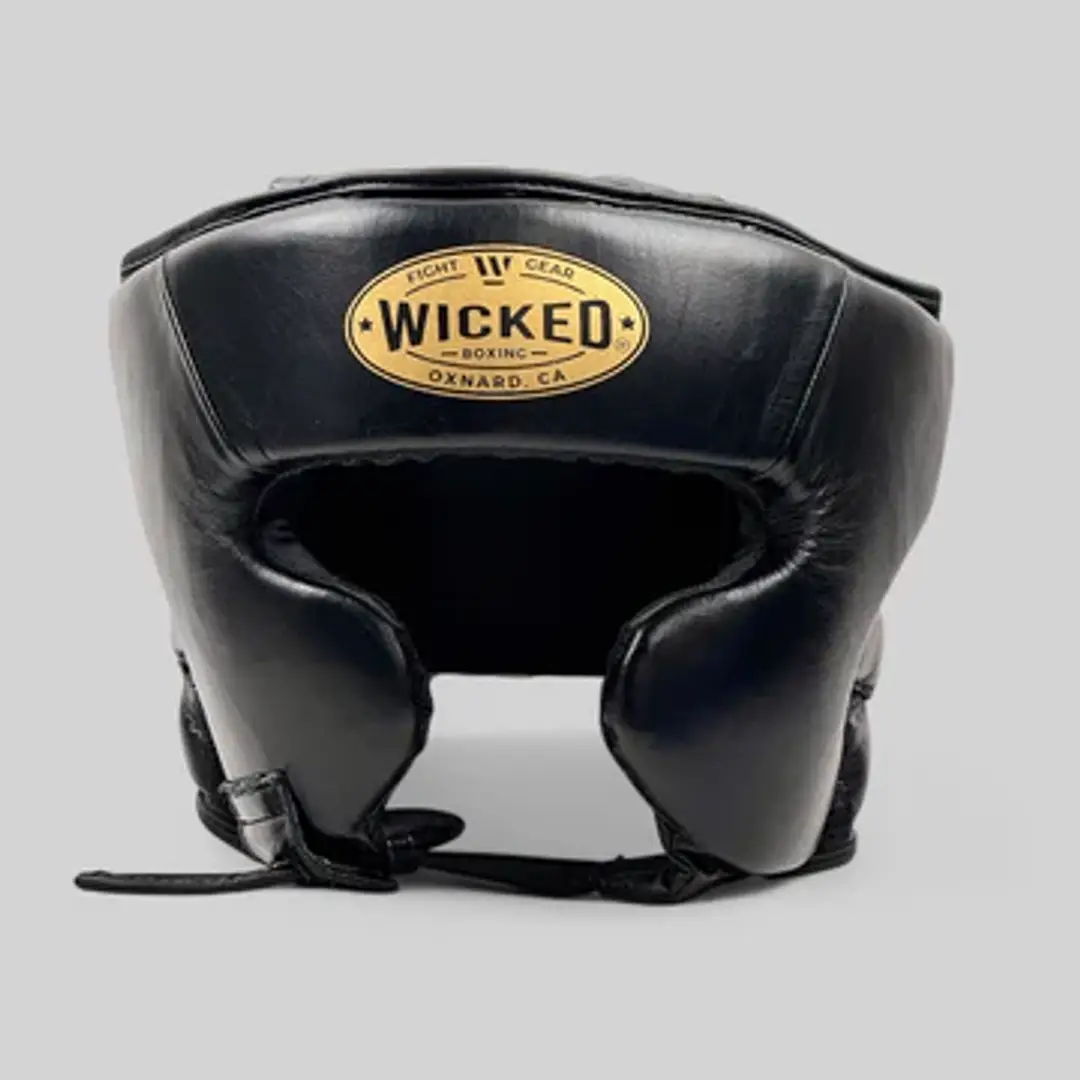
- Full-Face Headgear
- Description: Offers cheek, forehead, and chin protection.
Pros: Greater facial coverage, good for beginners.
Cons: Slightly heavier, can restrict vision.
Best for: New boxers and those doing heavy sparring.
- Face-Saver Headgear
- Description: Includes a protective bar or grill in front of the nose and mouth.
Pros: Maximum facial protection, reduces risk of nose injuries.
Cons: Limited vision, heavier.
Best for: High-contact training or injury recovery.
Key Features to Look for in Boxing Headgear
- Fit and Comfort
- Your headgear should feel snug but not overly tight. Adjustable straps or Velcro help customize the fit.
- Padding Thickness
- Light padding: Better visibility, less weight—ideal for skill-focused sparring.
Thick padding: More shock absorption—better for beginners or heavy sparring.
- Material Quality
- Leather: Durable and long-lasting but pricier.
Synthetic leather: More affordable and still durable for casual training.
- Weight
- Heavier headgear offers more protection but can slow you down. Lighter versions allow quicker movement but with slightly less coverage.
- Ventilation
- Look for breathable lining and open areas around the ears to reduce heat buildup during long sessions.
- How to Choose the Right Size
- Sizing is critical; poorly fitted headgear can shift during sparring, reducing protection.
- Measure around your forehead, just above the eyebrows.
Compare your measurement with the manufacturer’s size chart.
Always try it on before purchase if possible.
Common Beginner Mistakes When Choosing Headgear
Prioritizing price over protection – Cheap headgear often compromises padding and durability.
Choosing the wrong type – For example, picking open-face gear as a beginner without adequate skill level.
Ignoring vision balance – Overly bulky padding can block peripheral vision.
Not adjusting straps properly – Loose gear can slip, leaving you vulnerable.
Safety Tips for Using Boxing Headgear
Wear a mouthguard – Headgear doesn’t protect teeth.
Keep it clean – Sweat buildup can cause skin irritation.
Replace worn-out gear – Padding flattens over time, reducing protection.
Pair with correct sparring gloves – The right glove padding complements headgear protection.
Maintenance and Care
Proper care ensures your headgear lasts longer:
Wipe it down with a damp cloth after every session.
Air-dry it completely before storing.
Avoid direct sunlight to prevent material cracking.
Final Thoughts
Boxing headgear is a must-have for beginners who want to train safely and confidently. By choosing the right type, ensuring proper fit, and maintaining it well, you protect yourself from unnecessary injuries and improve your overall boxing experience.
Remember safety first, skill second. The right headgear lets you train harder, learn faster, and enjoy boxing without unnecessary setbacks.
Related Posts
© 2025 Invastor. All Rights Reserved
User Comments