
Ai Content Generator
Ai Picture
Tell Your Story

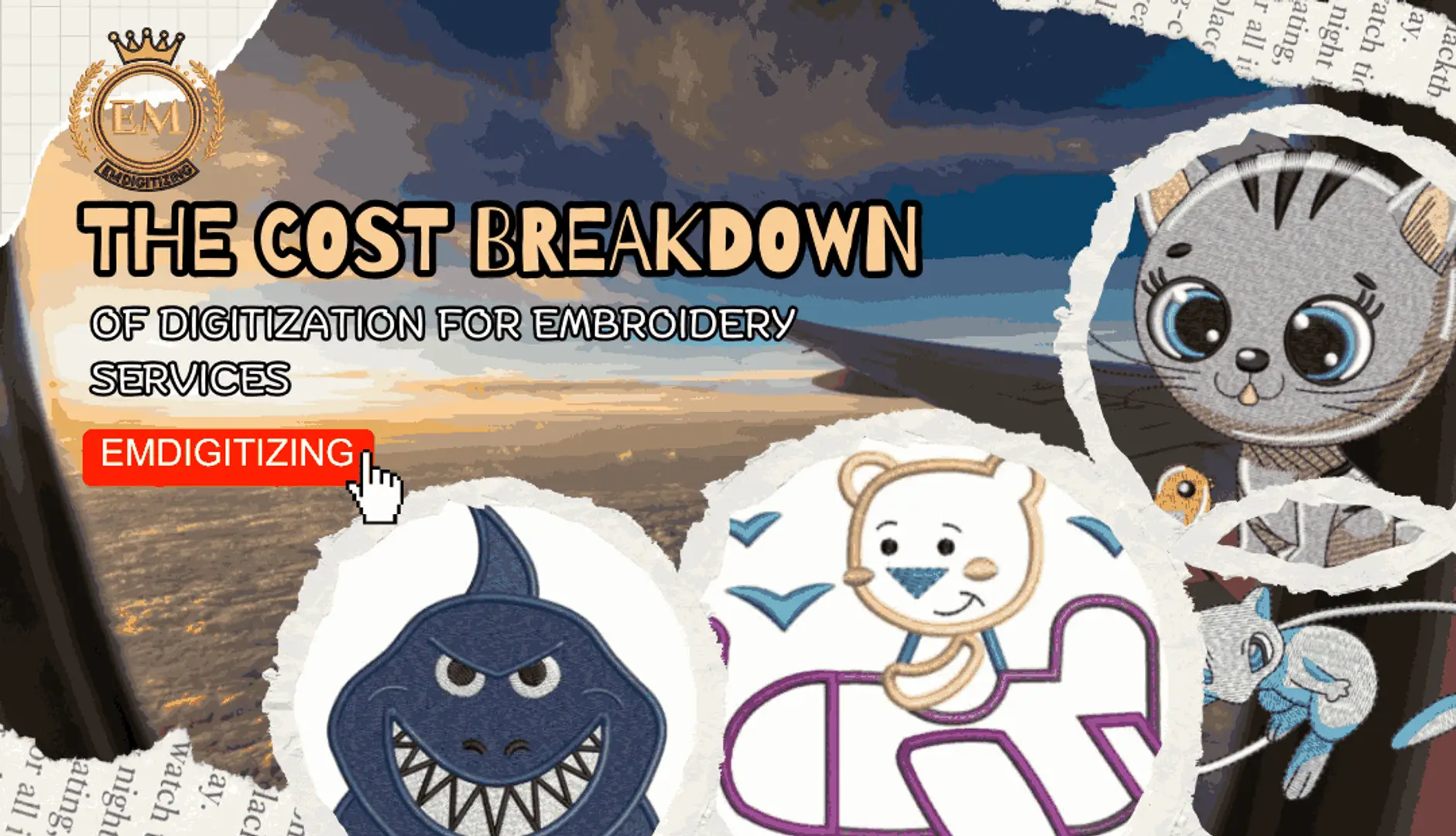
 digitizing for embroidery
The Cost Breakdown of Digitization for Embroidery Services
Digitization for embroidery is a crucial step in transforming artwork into stitch-ready designs for embroidery machines. Whether you’re a business owner, fashion startup, or hobbyist, understanding the cost structure behind these services can help you make smarter decisions. In this blog, we’ll break down the key cost components of digitization for embroidery and what factors influence pricing in 2025.
What Is Digitization for Embroidery?
Before diving into the costs, it’s essential to understand what digitization for embroidery involves. It is the process of converting a logo, image, or design into a digital file that guides an embroidery machine on how to sew the pattern. This process requires specialized software, skilled digitizers, and precision to ensure high-quality stitching.
Key Cost Factors in Digitization for Embroidery
- Design Complexity
- The more intricate your design, the more time and effort it takes to digitize. Simple logos with fewer colors and clear outlines cost less compared to detailed images with gradients, small text, or elaborate patterns. Complex designs may also require manual adjustments to ensure machine compatibility.
Simple Design: $10 – $20
Moderate Complexity: $25 – $40
High Complexity: $50 – $100+
Stitch Count
Stitch count plays a significant role in determining the cost. Designs with a higher stitch count require more work and testing, increasing the price. Many digitizers use stitch count to estimate labor and machine time.
Under 5,000 stitches: Low cost
5,000–15,000 stitches: Mid-range
15,000+ stitches: Higher cost
Turnaround Time
Need it fast? Rush orders often come with extra fees. While standard turnaround times range from 24 to 72 hours, same-day or express services may add 20–50% to your base cost.
Format and File Type
Most embroidery machines require specific file formats (e.g., DST, PES, EXP). Converting your design into these formats may incur a minor additional charge, especially if multiple file types are requested.
Revisions and Edits
Many professional services offer a set number of free revisions. However, significant changes or multiple edit requests might cost extra. Always check what’s included in your digitization package.
Additional Considerations
Bulk Discounts
If you’re submitting multiple designs or large-volume orders, many digitizing services offer bulk discounts. This is especially useful for apparel companies or promotional product businesses.
Custom Artwork Creation
Need artwork created from scratch? That’s a different service from digitization and usually comes at a premium. Expect to pay $50–$200+ depending on the complexity.
Tips to Save on Digitization Costs
Submit High-Resolution Artwork: Cleaner images are easier to digitize, reducing labor time.
Be Clear About Requirements: Mention the fabric type, size, and placement to avoid back-and-forth revisions.
Plan Ahead: Avoid rush fees by allowing ample time for digitization.
Use a Trusted Provider: Experienced digitizers often get it right the first time, saving money in the long run.
Conclusion
Understanding the cost breakdown of digitization for embroidery empowers you to make informed decisions when choosing a service provider. By considering design complexity, stitch count, turnaround time, and other factors, you can better plan your embroidery projects and stay within budget.
Whether you’re a business or an individual, investing in quality digitization ensures your embroidered products look professional and stand the test of time.
Frequently Asked Questions (FAQs)
Q1. Why is digitization necessary for embroidery?
A: Digitization translates your design into a format that embroidery machines understand. Without it, machines can’t replicate your artwork accurately.
Q2. How long does digitization typically take?
A: Most services deliver files within 24–72 hours. Rush services
may be available for an extra fee.
Q3. Can I use the same file for different fabrics?
A: Not always. Different fabrics may require adjustments to the stitch density, underlay, or pull compensation for best results.
Q4. What file format should I request for my machine?
A: The format depends on your machine brand. Common formats include DST (Tajima), PES (Brother), and EXP (Melco). Check your machine’s manual or consult the digitizer.
Related Posts
© 2025 Invastor. All Rights Reserved
User Comments