
Ai Content Generator
Ai Picture
Tell Your Story

 sadaf khan
Managing Shedding Phase After Crown Hair Transplant
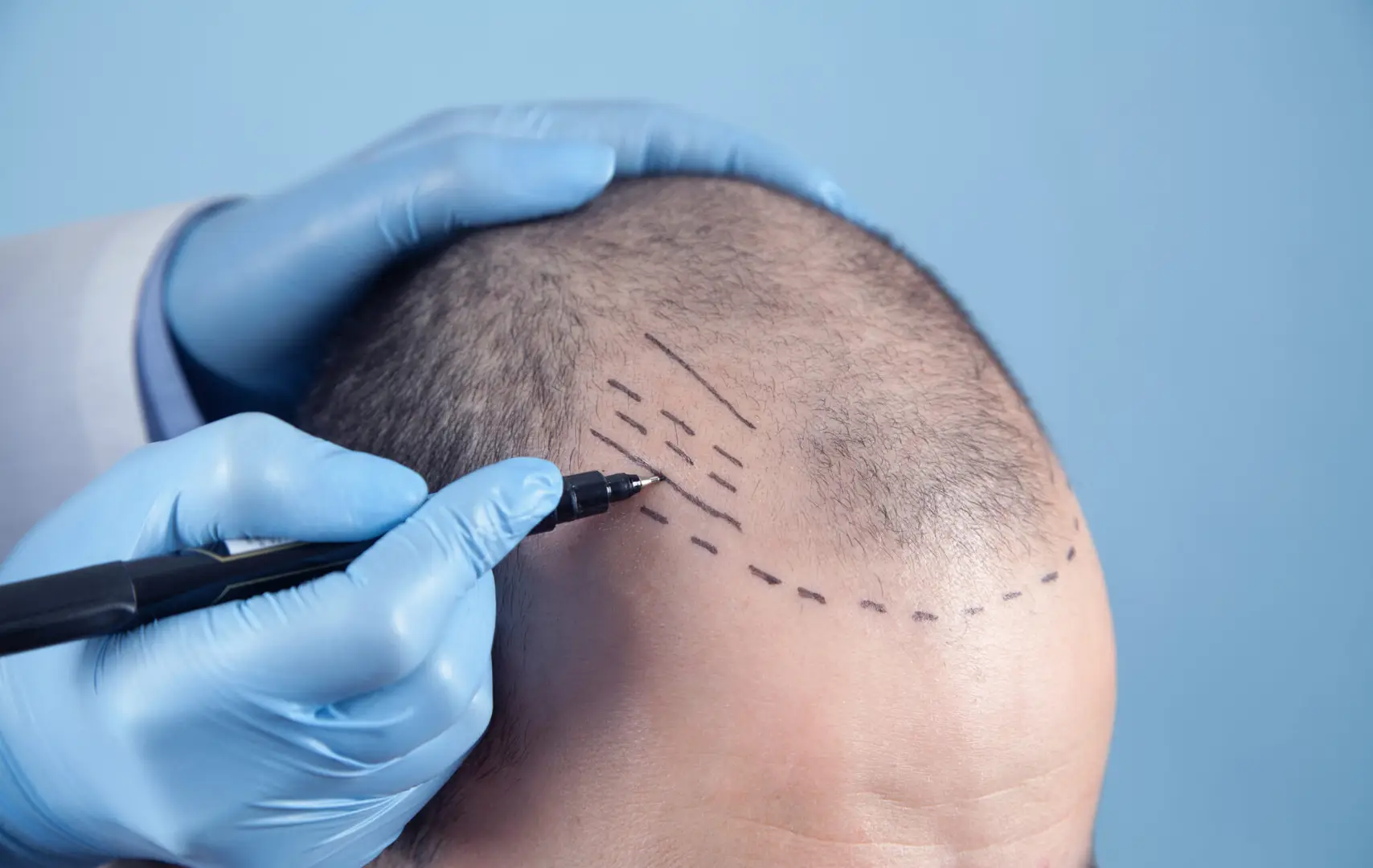
If you’ve recently undergone or are planning to undergo a Crown hair transplant in Islamabad, one crucial aspect of the recovery process you must be prepared for is the shedding phase. This phase often takes patients by surprise, as it may seem like the results are regressing rather than progressing. But shedding is, in fact, a normal and expected part of the healing journey after a transplant procedure. Crown hair transplant in Islamabad procedures are uniquely challenging due to the circular growth pattern of the crown area, and this influences both the hair growth timeline and shedding behavior.
Understanding and managing the shedding phase effectively can make the entire recovery less stressful and help ensure better final results. Let’s dive into what the shedding phase entails and how you can navigate it successfully.
What Is the Shedding Phase?
After a crown hair transplant, newly implanted follicles often go through a temporary “shock loss.” This means that the hair shafts fall out within 2–4 weeks post-surgery, while the transplanted follicles remain intact beneath the skin. This process might alarm patients, but it is entirely natural. The follicles are simply transitioning from the trauma of surgery to the rest phase before beginning a new growth cycle.
The shedding phase can last anywhere from a few weeks to a couple of months. It’s important to remember that this phase does not indicate transplant failure. Rather, it’s a signal that your body is resetting the hair growth cycle in the newly treated area.
Why Does Shedding Occur?
There are several reasons why shedding happens post-transplant, especially in the crown area:
Surgical Trauma: Even with advanced FUE or FUT methods, extracting and implanting follicles causes temporary stress to the hair follicles.
Growth Cycle Reset: Hair naturally grows in cycles—anagen (growth), catagen (transition), and telogen (rest/shedding). Transplanted hair follicles often enter the telogen phase immediately after transplantation.
Scalp Inflammation: Post-surgical inflammation may temporarily affect blood flow and follicular activity, causing shedding.
Is Shedding Worse in the Crown Area?
Yes, to some extent. The crown area has a unique swirl pattern, and hair grows in different directions, making it more challenging for transplanted hair to settle and synchronize in the same cycle. Consequently, shedding in the crown area may appear more intense or prolonged.
Moreover, the crown region typically has a thinner dermis, and the blood supply is less robust compared to the frontal scalp. These factors can contribute to a slightly delayed recovery and regrowth process.
Managing the Shedding Phase: Tips and Best Practices
- Stay Calm and Informed
- Understanding that the shedding phase is temporary can ease your anxiety. Panicking may lead to impulsive decisions or unnecessary treatments that could interfere with your recovery. Trust the process and follow your surgeon’s aftercare instructions closely.
- Follow Post-Op Care Instructions
- Your surgeon will provide specific guidelines for scalp care, including:
Gentle shampooing after the first few days.
Avoiding sun exposure or excessive sweating.
Refraining from scratching or rubbing the scalp.
Following these instructions will reduce inflammation and help create the best environment for new hair growth.
- Use Mild, Medically Approved Hair Products
- Harsh shampoos or hair products can irritate the scalp and prolong the shedding. Opt for sulfate-free, hypoallergenic shampoos recommended by your clinic. Medications like Minoxidil (if advised by your doctor) can also help stimulate hair regrowth post-shedding.
- Maintain a Nutrient-Rich Diet
- Proper nutrition can accelerate recovery and promote healthier hair regrowth. Focus on:
Protein-rich foods (like eggs, fish, lean meats)
Iron (spinach, lentils, red meat)
Zinc and Biotin supplements (if prescribed)
Hydration is equally important, so increase your water intake to support cellular healing.
- Avoid Smoking and Alcohol
- These habits can compromise blood flow to the scalp and delay the healing of hair follicles. For best results, it’s advised to abstain from smoking and limit alcohol consumption for at least a few weeks post-transplant.
- Regular Follow-Ups
- Routine follow-ups with your hair transplant specialist ensure that the healing is progressing as expected. They can assess whether the shedding phase is within normal limits or if intervention is needed.
What Comes After the Shedding Phase?
Once the shedding subsides, the hair follicles gradually enter the anagen (growth) phase. Here’s a general timeline of what to expect:
3–4 Months: Fine, thin hair starts appearing in the crown area.
6–8 Months: Noticeable growth becomes visible, although density may still be uneven.
12–18 Months: Full results are usually visible. Hair gains more texture, strength, and density over time.
For the crown, the growth phase might lean more toward the 12–18 month mark due to its anatomical challenges.
When Should You Be Concerned?
While shedding is normal, excessive or prolonged shedding beyond 3–4 months could signal a problem. Contact your specialist if you notice:
Significant thinning in areas outside the transplant zone.
Scalp infections, excessive redness, or unusual discharge.
No signs of regrowth by the 6-month mark.
These symptoms may indicate underlying conditions such as alopecia areata, poor graft survival, or post-transplant shock loss that needs professional evaluation.
Psychological Impact: It’s Okay to Feel Anxious
It’s natural to feel discouraged when you see hair falling out instead of growing. This emotional reaction is common but temporary. Understanding that your transplant results will gradually improve can ease the psychological burden. Stay focused on the end goal and trust your recovery path.
Conclusion: Patience and Care Are Key
Managing the shedding phase after a crown hair transplant in Islamabad involves knowledge, consistency, and emotional resilience. Shedding is not a sign of failure—it’s a necessary part of the hair restoration journey. With proper care, a balanced lifestyle, and patience, you will begin to see healthy regrowth and fuller hair in the months to come.
If you’re planning your transplant or navigating recovery, choosing an experienced clinic can make all the difference. For personalized guidance and expert care, consider reaching out to Dynamic Clinic, a trusted name in hair restoration procedures in Islamabad. Their team is well-versed in the complexities of crown hair transplants and can guide you through each step of your transformation.
Related Posts
© 2025 Invastor. All Rights Reserved
User Comments