
Ai Content Generator
Ai Picture
Tell Your Story

 husnain ali
Battery Production Line Ensures Efficient Scalable Power Output
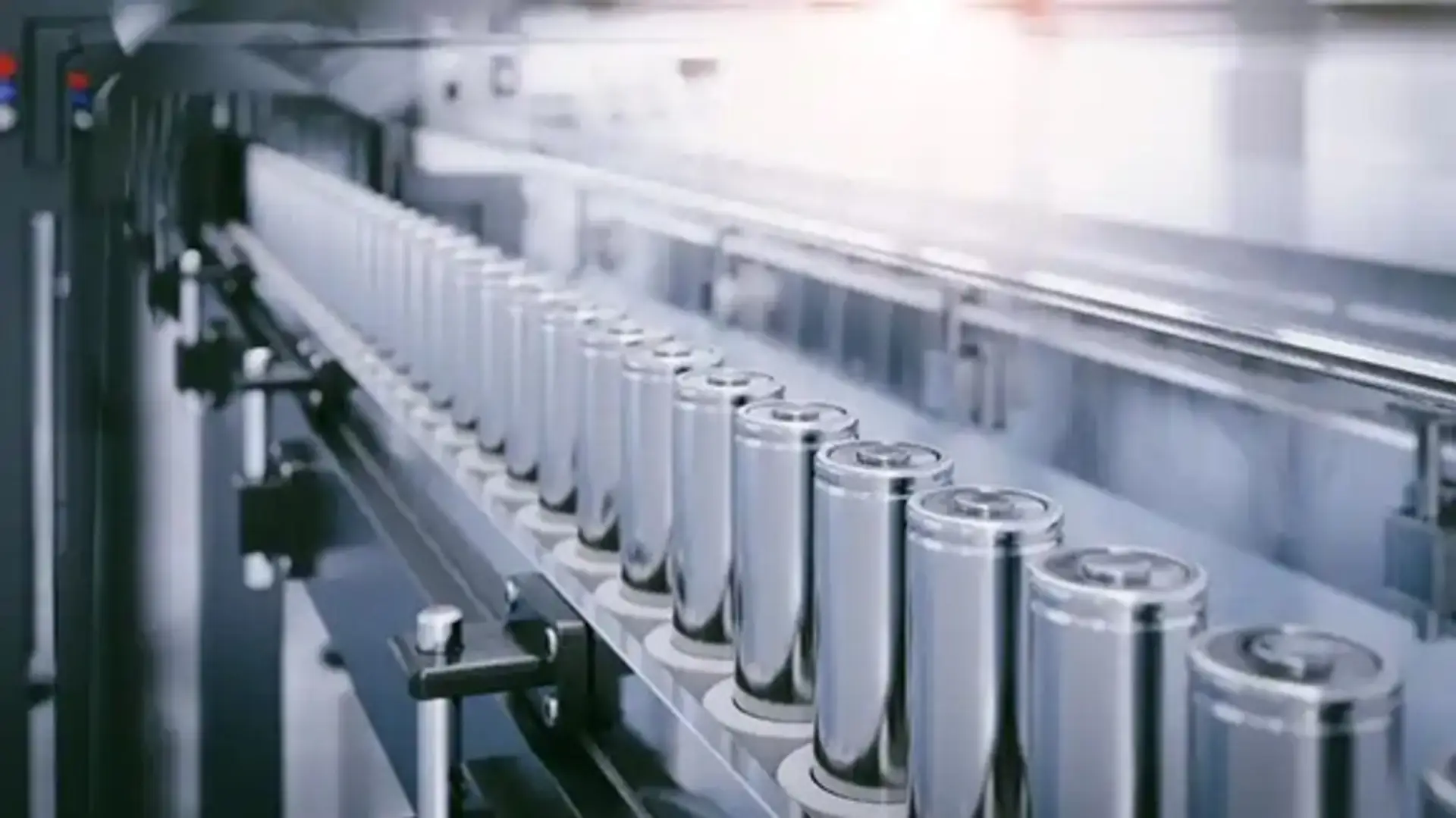
In the modern era of electrification, energy storage is critical to sustaining industrial, commercial, and residential sectors. From electric vehicles and renewable energy grids to consumer electronics and emergency backup systems, batteries power the world. To meet the growing demand, manufacturers rely on an efficient and scalable battery production line. It ensures not only the speed of production but also consistency, quality, and safety across every unit.
This article explores how the battery production line enables efficient energy storage manufacturing, key processes involved, technological advancements, challenges, and the path forward for mass-scale battery production.
The Growing Need for Battery Production Lines
Global Energy Transition
As the world shifts away from fossil fuels, batteries are becoming central to the clean energy transition. Lithium-ion, solid-state, and advanced flow batteries are in high demand for solar power storage, electric vehicles (EVs), and portable electronics. A battery production line ensures these needs are met without compromising efficiency or safety.
Surge in Electric Vehicles and Grid Storage
Governments and industries worldwide are investing heavily in EV infrastructure and smart energy storage systems. This requires the mass production of batteries with high energy density, long lifecycle, and minimal environmental impact. Scalable and automated production lines are the backbone of this transformation.
What Is a Battery Production Line?
Overview
A battery production line is a series of interconnected equipment, systems, and processes designed to produce battery cells or packs in large volumes. It transforms raw materials into functional, tested, and safe battery units using precision-controlled steps.
Modular and Scalable Design
Modern production lines are modular—allowing manufacturers to scale up or reconfigure based on changing requirements. Whether producing cylindrical, prismatic, or pouch cells, the line can adapt to various technologies and chemistries.
Stages of a Battery Production Line
- Electrode Manufacturing
- This is the first and one of the most critical steps in the battery production line.
- Mixing
- Active materials such as lithium compounds are mixed with binders and solvents to form electrode slurry. The consistency and homogeneity of this mix determine battery performance.
- Coating
- The slurry is coated onto metal foils (aluminum for cathode, copper for anode) using precision machines. This is followed by drying in an oven to remove solvents.
- Calendering
- The dried electrode sheets are compressed using rollers to ensure thickness uniformity, which directly affects the cell’s energy density.
- Cell Assembly
- Once electrodes are ready, the battery production line moves to assembling individual cells.
- Slitting and Notching
- Electrode sheets are cut into desired shapes and sizes. Accurate slitting ensures optimal performance and safety.
- Stacking or Winding
- Depending on the cell type, the electrodes are stacked (pouch/prismatic) or wound (cylindrical) with separators to prevent short circuits.
- Cell Enclosure
- The stacked or wound electrodes are inserted into casings or pouches, sealed partially to allow electrolyte filling.
- Electrolyte Filling and Sealing
- Electrolyte is injected into the semi-sealed cell under vacuum conditions. This step is extremely sensitive, requiring contamination-free environments.
- Once filled, the cells are sealed using heat or ultrasonic welding, depending on the packaging material.
- Formation and Aging
- This stage “activates” the battery through controlled charging and discharging cycles.
- Initial Charging
- Batteries are charged for the first time under monitored conditions. This helps stabilize internal chemistry and forms a solid electrolyte interphase (SEI) layer.
- Aging
- Cells are rested for hours or days to stabilize performance and detect early failures. Temperature and voltage are closely monitored.
- Testing and Grading
- Each battery is tested for voltage, capacity, internal resistance, and safety performance.
- Cells are then graded into categories for various applications—high-performance cells may go to EVs, while standard cells may be used in consumer electronics.
- Battery Pack Assembly
- For applications requiring larger power outputs, such as EVs or grid storage, cells are assembled into modules and packs.
- This step includes:
- BMS (Battery Management System) integration
Thermal management system installation
Mechanical housing and safety features
Technologies Enhancing Battery Production Line Efficiency
Automation and Robotics
Modern battery production lines are heavily automated. Robotic arms, AGVs (automated guided vehicles), and machine vision systems reduce human error, speed up production, and maintain consistency.
AI and Machine Learning
AI is used to monitor data from sensors across the production line to detect anomalies, optimize parameters, and predict maintenance needs—ensuring continuous, fault-free operation.
Digital Twins
Digital twin technology allows manufacturers to simulate and optimize the battery production line virtually before implementing physical changes.
Benefits of a Scalable Battery Production Line
Mass Production Capability
With electric vehicle and renewable energy markets expanding, the ability to scale up production without compromising quality is crucial. A scalable battery production line meets this demand efficiently.
Reduced Operational Costs
Through automation, energy-saving equipment, and smart production planning, operational expenses are minimized over time.
Quality Consistency
Precision-controlled steps ensure each battery unit meets the same performance, safety, and quality benchmarks—critical in high-stakes applications like EVs and medical devices.
Flexible Product Adaptation
Whether transitioning from NMC (nickel manganese cobalt) to LFP (lithium iron phosphate) batteries or shifting form factors, modern lines are designed to adapt quickly.
Challenges in Battery Production Line Management
Supply Chain Dependencies
Access to raw materials like lithium, nickel, cobalt, and graphite is limited and price-sensitive. Delays or disruptions can impact production output.
Environmental Compliance
Battery manufacturing must meet environmental regulations regarding waste disposal, solvent emissions, and energy consumption. Sustainable practices are becoming a requirement, not an option.
Safety Risks
Given the flammable and reactive materials involved, fire prevention and worker safety must be rigorously enforced across the battery production line.
Technical Complexity
Each step in the production line must operate in perfect harmony. Even small deviations in mixing, coating, or sealing can lead to defective or unsafe products.
Solutions for Optimizing Battery Production Lines
Clean Room Environments
To prevent contamination, production occurs in cleanrooms with regulated temperature, humidity, and particle control—especially during electrolyte filling and sealing.
Real-Time Monitoring Systems
Advanced sensor networks enable real-time monitoring of temperature, humidity, voltage, and other variables to maintain optimal process conditions.
Predictive Maintenance
Using AI-driven analytics, maintenance schedules can be planned proactively to reduce downtime and extend equipment life.
Sustainability in Battery Manufacturing
Recycling Integration
Forward-thinking battery production lines include stages for recycling electrode material scrap, solvents, and other by-products—reducing waste and cost.
Energy-Efficient Equipment
High-efficiency drying ovens, regenerative braking on motors, and smart HVAC systems reduce energy use during production.
Green Chemistry
Manufacturers are shifting to water-based electrode mixing and non-toxic binders to minimize environmental harm.
Battery Production Line Applications by Industry
Electric Vehicles
EVs are the primary driver of lithium-ion battery demand. Production lines dedicated to EV cells focus on high energy density, safety, and lifecycle.
Renewable Energy Storage
For solar and wind systems, battery packs offer backup and load balancing. Production lines support long-duration, large-format battery cells suited for stationary applications.
Consumer Electronics
Smartphones, laptops, wearables, and power tools require compact, high-performance cells. A battery production line can be customized for high-volume, low-footprint designs.
Industrial and Medical Equipment
Battery cells used in hospitals, data centers, and remote monitoring systems must meet strict safety and reliability standards.
Future Trends in Battery Production Lines
Solid-State Batteries
As solid-state batteries become viable for mass production, existing lines will need upgrades to handle solid electrolytes and new assembly methods.
Gigafactories and Vertical Integration
Large-scale battery plants, often called “gigafactories,” are consolidating production steps under one roof. This vertical integration improves efficiency and cost control.
Decentralized Microfactories
Smaller, modular battery production lines are emerging closer to demand centers, allowing for local manufacturing and faster delivery times.
Final Thoughts
A modern battery production line is the heart of energy innovation. It brings together precision engineering, automation, material science, and safety protocols to deliver high-quality batteries at scale. From electric vehicles to solar power systems and smartphones, these lines power the technologies shaping our future.
As demand continues to rise, manufacturers must focus on scalability, sustainability, and adaptability. Investing in efficient battery production lines will not only support current market needs but also pave the way for breakthroughs in storage technologies for decades to come.
Related Posts
© 2025 Invastor. All Rights Reserved
User Comments