
Ai Content Generator
Ai Picture
Tell Your Story

%20(1).webp&w=256&q=75) krisala developers - (Krisala Developers)
krisala developers - (Krisala Developers)Infrastructure: The Hidden Catalyst Driving Real Estate Growth
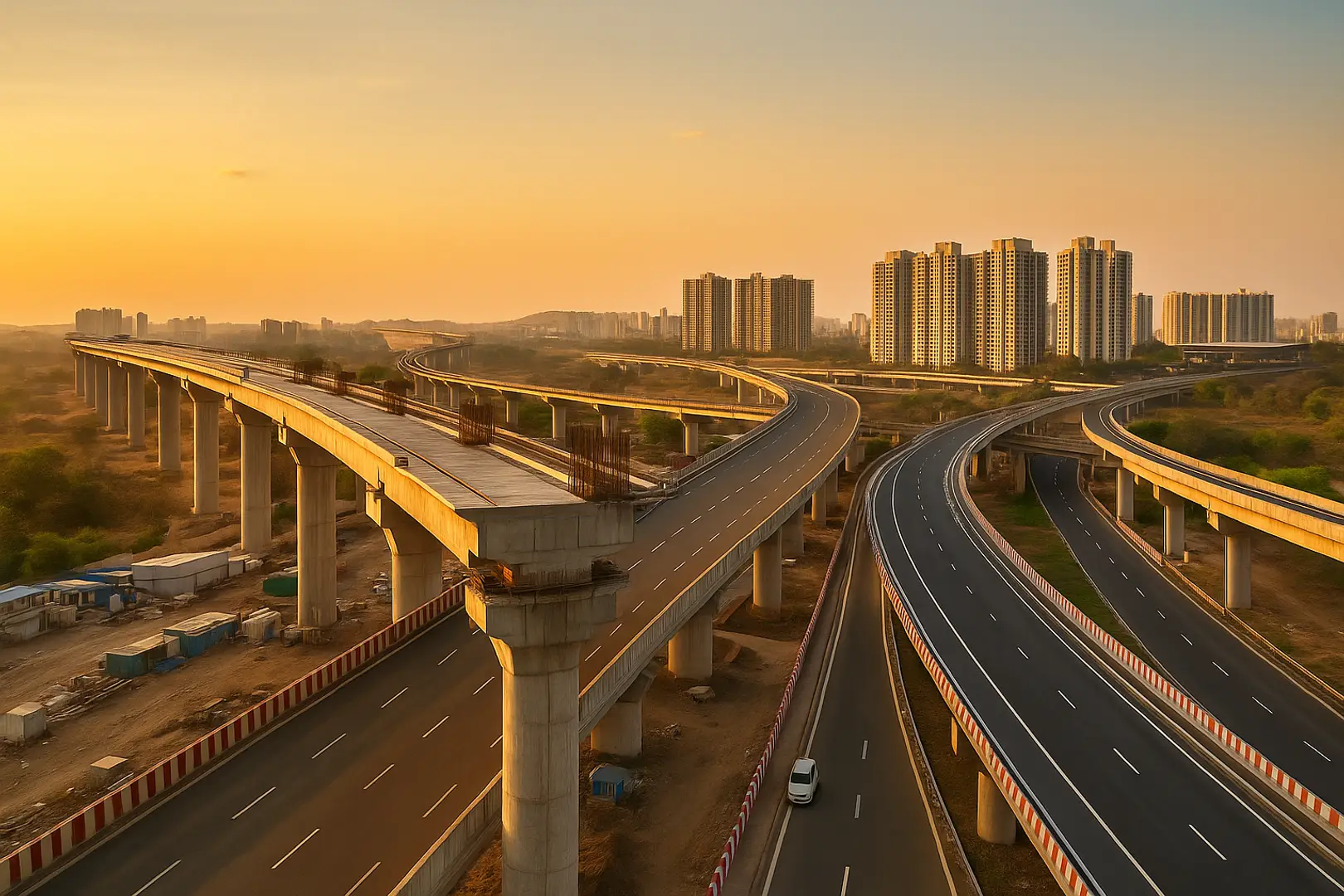
In real estate, property appreciation is often attributed to location and market demand. However, infrastructure—from roads to metro lines—remains the silent engine powering both immediate livability and long-term value growth.
When designed strategically, infrastructure doesn’t just connect places—it reshapes them, creating entirely new economic and residential hubs.
Infrastructure as a Value Multiplier
Infrastructure investments tend to act as a force multiplier for property values.
Key examples include:
- Urban Transport Projects – Metro corridors, ring roads, and expressways drastically reduce travel times, making peripheral locations viable.
- Digital Infrastructure – Reliable internet connectivity and smart-city grids increase appeal to tech-driven businesses and remote-working professionals.
- Social Infrastructure – Schools, hospitals, and cultural hubs enhance livability, attracting long-term residents rather than transient populations.
Key takeaway: Infrastructure often precedes demand, but when executed well, it quickly creates the demand.
Case Study: Pune’s Expanding Growth Corridors
Over the past decade, Pune has seen a wave of infrastructure-led urban expansion:
- Hinjawadi IT Park & Metro Line 3 – Once a distant tech hub, now seamlessly linked to city cores.
- Pune Ring Road – Set to unlock massive land value potential in outer corridors.
- Expressway Connectivity – Strengthens the city’s role as a satellite business destination between Mumbai and emerging regional markets.
Areas once considered too far from the city now benefit from shorter commute times, better public services, and investor confidence.
Why Infrastructure Drives Investor Confidence
From an investment perspective, infrastructure offers two key advantages:
- Predictable Appreciation – Government-led infrastructure projects tend to have clear timelines and measurable impact on values.
- Risk Reduction – Well-connected areas remain resilient to market slowdowns due to sustained demand from both end-users and tenants.
In fact, property markets near new metro lines or expressways often see 20–30% higher appreciation compared to areas without such improvements.
Linking It Back: From Potential to Reality
While infrastructure is the trigger, it takes visionary real estate development to convert raw potential into sustainable value.
One such example is detailed in our feature: How Krisala Paved the Way for Pune’s Biggest Real Estate Entry Yet — where strategic early investment in an infrastructure-ready corridor shaped a high-impact growth story.
Final Thought
Infrastructure is the invisible hand guiding a city’s real estate destiny.
It determines which areas will rise from obscurity, attract the next wave of residents and businesses, and ultimately redefine the map.
Brands that understand this dynamic—investing before the market catches on—consistently stay ahead.
Krisala Developers has applied this principle in multiple corridors, aligning projects with transformative infrastructure to shape tomorrow’s thriving communities.
Related Posts
© 2025 Invastor. All Rights Reserved
User Comments