
Ai Content Generator
Ai Picture
Tell Your Story

 john bell
Tips for Maintaining Your Hot Water Heater
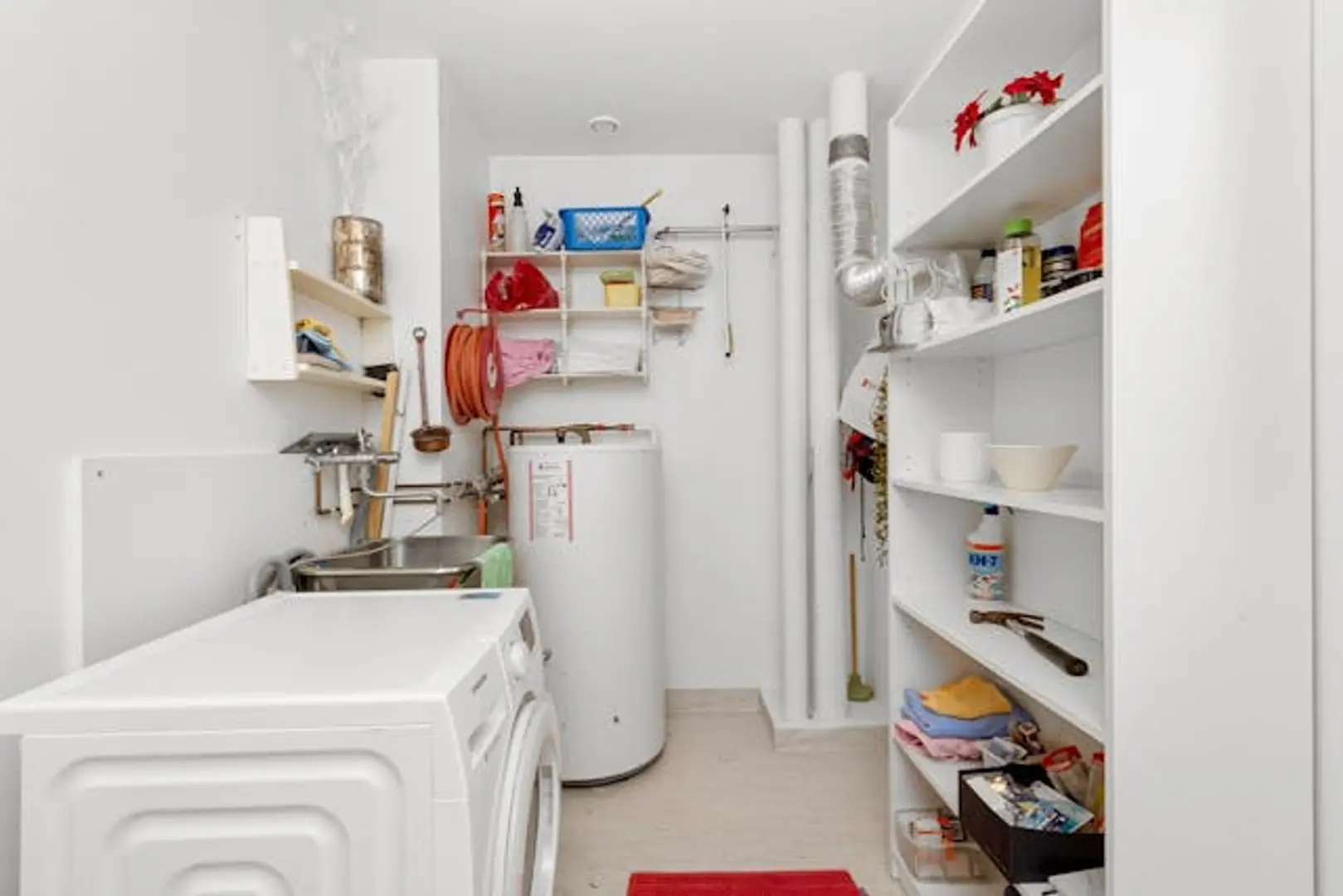
One of the most dependable appliances in every house is a water heater, which silently provides warm water for laundry, baths, and dishwashing, among other uses. However, since it frequently operates in the background, it’s simple to forget about regular maintenance—until something goes wrong. Maintaining your water heater regularly not only increases its lifespan but also boosts energy efficiency and averts expensive repairs. You can maintain a smooth operation all year long by being proactive, regardless of whether you have a conventional tank unit or a contemporary tankless system. To help you get the most out of your water heater, this guide examines important maintenance advice.
Examine and Clean the Tank
One of the most frequent problems with tank-style water heaters is sediment buildup. Particularly in hard water regions, minerals from the water gradually build up at the tank’s bottom, forming a layer of silt that can lower performance, clog valves, and even result in overheating. These problems can be avoided by flushing the tank at least once a year. To accomplish this, disconnect the heater’s gas or electricity source, plug a garden hose into the drain valve, and let the tank empty entirely. Before refilling, momentarily turn on the cold water supply to wash away any leftover particles once it has been drained. It’s a good idea to speak with a certified plumber if you have any questions regarding this procedure.
Examine the Valve for Pressure Relief
Your water heater’s pressure relief valve is a tiny but vital safety component. It keeps too much pressure from accumulating inside the tank, which could otherwise result in hazardous circumstances like tank ruptures. To make sure this valve is operating correctly, it should be inspected once a year. Turn off the cold water supply and the electricity first. Carefully raise the lever after placing a bucket beneath the valve, which is often found close to the tank’s top or side. After the lever is released, the water should stop flowing freely. The valve should be replaced right away if it becomes stuck, leaks, or does not release water.
Modify the Temperature Setting
The default setting of most water heaters is 60°C (140°F), which may be more than what is required for daily use. Lowering the temperature to 49–50°C (120–122°F) can decrease mineral buildup, save energy, and increase safety. This reduces the chance of scalding, which is particularly crucial in homes with young children or senior citizens. Examine the thermostat on your unit, which is usually behind an access panel, and make any necessary adjustments. The temperature of tankless units is typically controllable using a digital interface. Over time, lowering the thermostat by a few degrees can save a significant amount of money on your energy costs without compromising performance or comfort. Modern systems with easy-to-use interfaces from a company that specializes in modern hot water systems make these kinds of modifications simple.
Examine the Anode Rod
In order to keep your water heater from corroding, the anode rod is essential. In essence, this metal rod “gives up” itself to safeguard the inner lining of the tank by drawing minerals and contaminants. The rod deteriorates and loses its effectiveness with time. Unchecked corrosion can cause the tank to deteriorate, eventually resulting in leaks and failure. Turn off the water and power supplies, then detach the anode rod from the top of the tank to examine it. It’s time to replace the rod if it has a calcium coating or is less than ½ inch thick. Your heater’s lifespan might be extended by years with this minor component.
Wrap the Pipes and Tank in Insulation
Insulating the pipes around your water heater is an easy yet efficient approach to increase efficiency. A specifically made insulation blanket for tank-style heaters can cut standby heat loss by up to 45%, resulting in 7–16% yearly energy savings. Don’t forget to include crucial parts like the pressure release valve or thermostat. Similarly, to maintain the system operating at ideal temperatures, the first few feet of hot and cold water pipes connecting to the unit should be insulated to stop heat loss during water transit. This is particularly helpful if your heater is placed in an unheated space, such as a garage or basement, or in colder climes. Because foam pipe insulation is affordable and simple to install, it’s a wise do-it-yourself improvement that improves longevity and performance.
It only takes a little effort and a proactive attitude to maintain your water heater; neither costly equipment nor in-depth technical knowledge is needed. Little things like testing valves, flushing the tank, changing temperature settings, and adding insulation can have a significant impact. They not only prolong the lifespan of your heater but also improve its safety and efficiency, which could save you hundreds of dollars on emergency repairs and energy bills.
Related Posts
© 2025 Invastor. All Rights Reserved
User Comments