
Ai Content Generator
Ai Picture
Tell Your Story

 john bell
Dynamic Balancing: the key to efficiency and performance
There has never been a greater need for machinery that produces the most with the least amount of energy consumption in the fast-paced industrial environment of today. The accuracy and stability of an equipment’s moving parts are critical to its performance, whether it is used in manufacturing, automotive, aerospace, or energy generation. Dynamic balancing is one of the most important yet sometimes disregarded parts of machinery maintenance. This procedure not only increases operating effectiveness but also averts expensive malfunctions and premature wear. Dynamic balancing is essential for increasing the lifespan of machinery, maximizing production, and upholding constant performance requirements because it makes sure that rotating components run smoothly and evenly.
Comprehending Dynamic Balancing
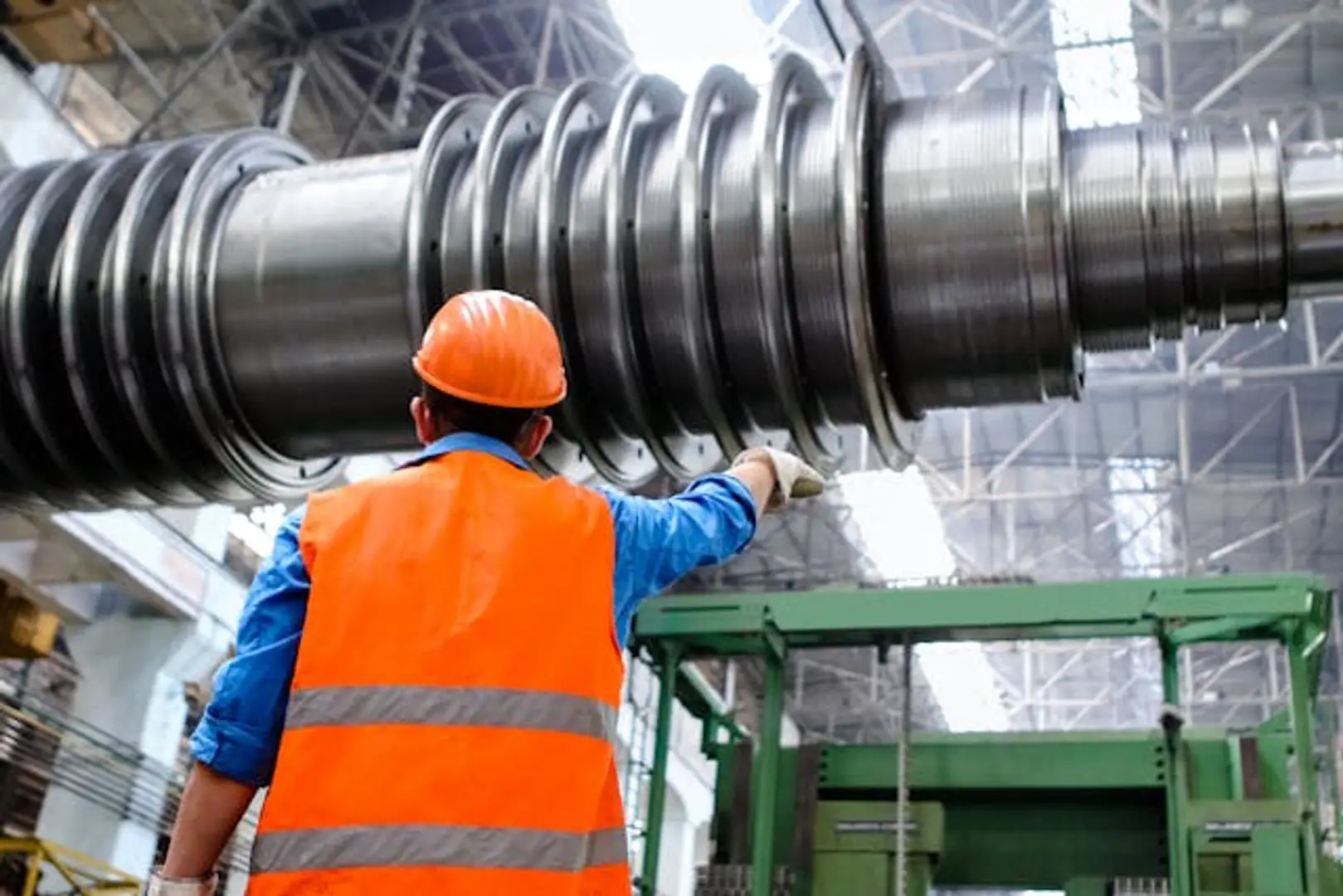
The technique of identifying and fixing imbalances in rotating machinery while it is in motion is known as dynamic balancing. Centrifugal forces result in vibrations when a rotor or other rotating component is not uniformly weighted around its axis. These vibrations have the potential to raise operating noise levels, harm components, and decrease efficiency. Dynamic balancing takes into account the actual operating conditions of equipment, as opposed to static balancing, which deals with imbalance while a portion is stationary. Because of this, it is necessary for high-speed equipment like motors, fans, pumps, turbines, and even automotive parts like drive shafts. Specialized equipment that detects vibration levels, locates the imbalance, and directs technicians in adding or removing weight to attain ideal balance is usually used in the process.
Professional Balancing Services’ Advantages
Purchasing expert balancing services might be a game-changer for companies and sectors that rely on continuous performance. These services use sophisticated diagnostic techniques to identify even the smallest imbalance, going beyond basic tweaks. This accuracy guarantees that equipment operates more smoothly, uses less energy, and needs fewer maintenance. By minimizing the possibility of accidents brought on by mechanical failure, vibration reduction also increases worker safety. A more comfortable and effective working environment may result from well-balanced machinery’s reduced operational noise. In the long run, quality balancing services save businesses a lot of money by extending the life of expensive components by eliminating excessive wear.
Uses in Various Industries
Dynamic balancing has numerous applications in a variety of industries and is not just used in one. Balanced machinery in production facilities guarantees constant product quality and minimizes downtime brought on by unforeseen problems. In the automotive industry, balanced wheels, drive shafts, and engine parts improve driving comfort, fuel economy, and vehicle performance. For safety and fuel economy in the aerospace sector, the turbines and rotors of aircraft must be precisely balanced. While commercial building HVAC systems need balanced fans and blowers to function well, the energy sector depends on balanced turbines and generators to maintain a consistent power supply. The fundamentals are the same regardless of the industry: well-balanced equipment performs better, lasts longer, and produces more reliable outcomes.
Sustaining Efficiency and Long-Term Balance
Dynamic balancing is a continuous procedure that ought to be incorporated into routine maintenance plans rather than being a one-time fix. Wear, material accumulation, or component replacement can cause machinery to lose its balance over time. Equipment continues to operate at peak efficiency thanks to routine inspections and balancing sessions. Numerous businesses use vibration analysis to track balancing issues in real time as part of predictive maintenance plans. This proactive strategy aids in spotting any problems before they result in expensive downtime. Maintaining the health of machinery can also be greatly aided by training employees to spot early indicators of imbalance, such as strange vibrations, noise, or decreased performance. Businesses can protect their equipment investment and attain long-term operational efficiency by combining expert balancing services with conscientious maintenance procedures.
Ignoring Dynamic Balancing and Its Cost
Performance and profitability may suffer significantly if dynamic balancing is neglected. Shafts may bend or fracture, bearings may break too soon, and components may loosen as a result of excessive vibration. This can eventually result in catastrophic equipment failures, requiring businesses to incur high repair costs and prolonged downtime. Inequality also results in higher energy usage, which boosts operating expenses and hinders sustainability initiatives. Even a slight reduction in efficiency can have a big financial impact in sectors with strict production schedules and narrow profit margins. This makes dynamic balancing an essential component of a business’s entire operating strategy rather than merely a maintenance task.
Dynamic balancing is a calculated investment in longevity, safety, and efficiency rather than just a technical tweak. Businesses can avoid expensive repairs, save energy, and preserve optimal performance by correcting imbalances in spinning machinery. The advantages of balancing go far beyond improved efficiency, whether in manufacturing, transportation, energy production, or any other industry. Regular maintenance that includes expert balancing services guarantees that equipment will continue to be dependable, efficient, and reasonably priced in the long run. Dynamic balancing really sticks out as a crucial component in reaching and maintaining great performance in a cutthroat industry where efficiency is crucial.
Related Posts
© 2025 Invastor. All Rights Reserved
User Comments