
Ai Content Generator
Ai Picture
Tell Your Story

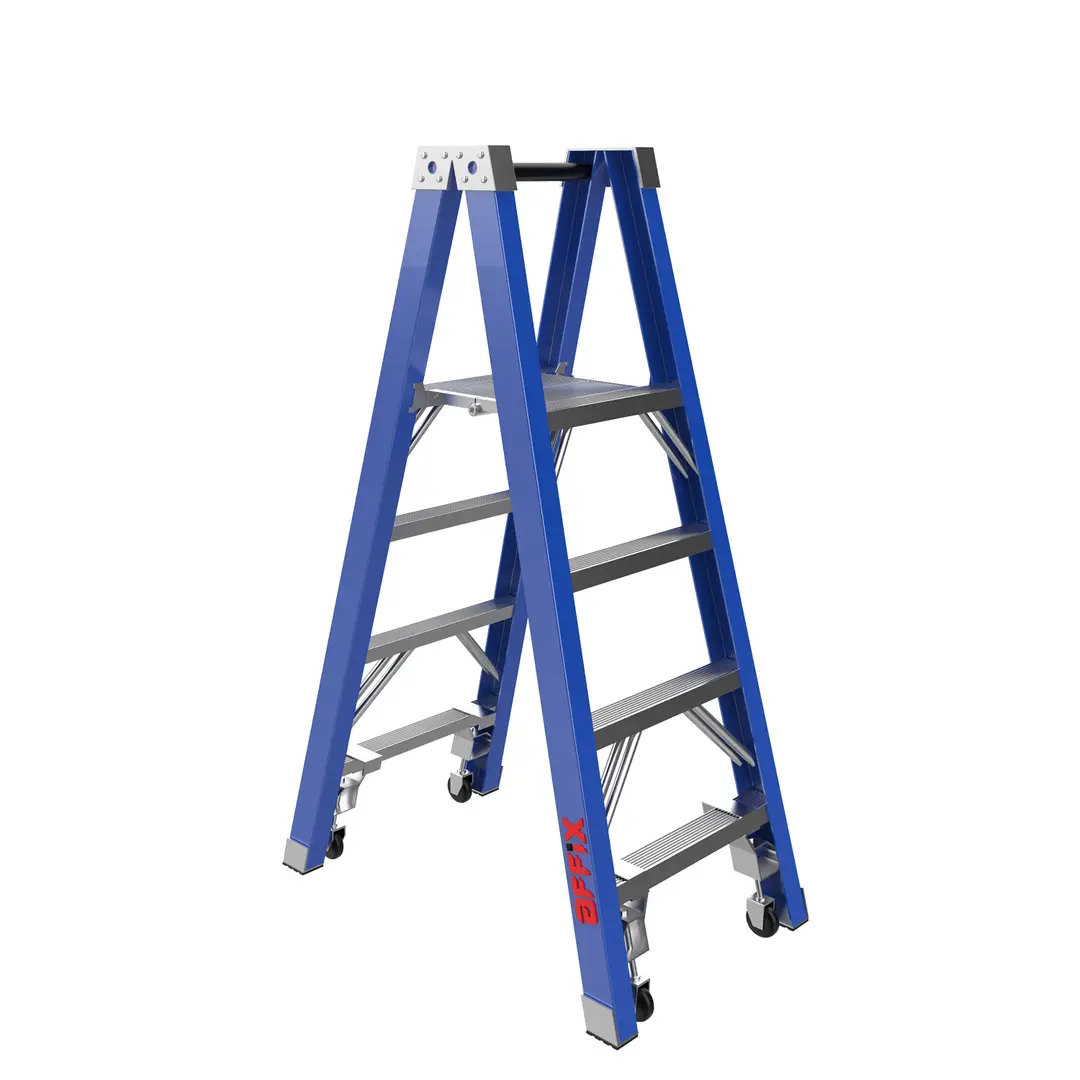
 Affix Gulf Scaffolding Manufacturing LLC
How FRP Scaffolding Performs in High-Temperature Worksites?
Industries operating in high-heat environments—such as petrochemical plants, power stations, metal foundries, and desert-based facilities—require materials and support systems that can stand up to harsh thermal conditions without compromising worker safety or structural integrity. FRP Scaffolding in Saudi Arabia has quickly become the go-to solution for these demanding environments due to its non-conductive nature, exceptional thermal stability, and corrosion resistance.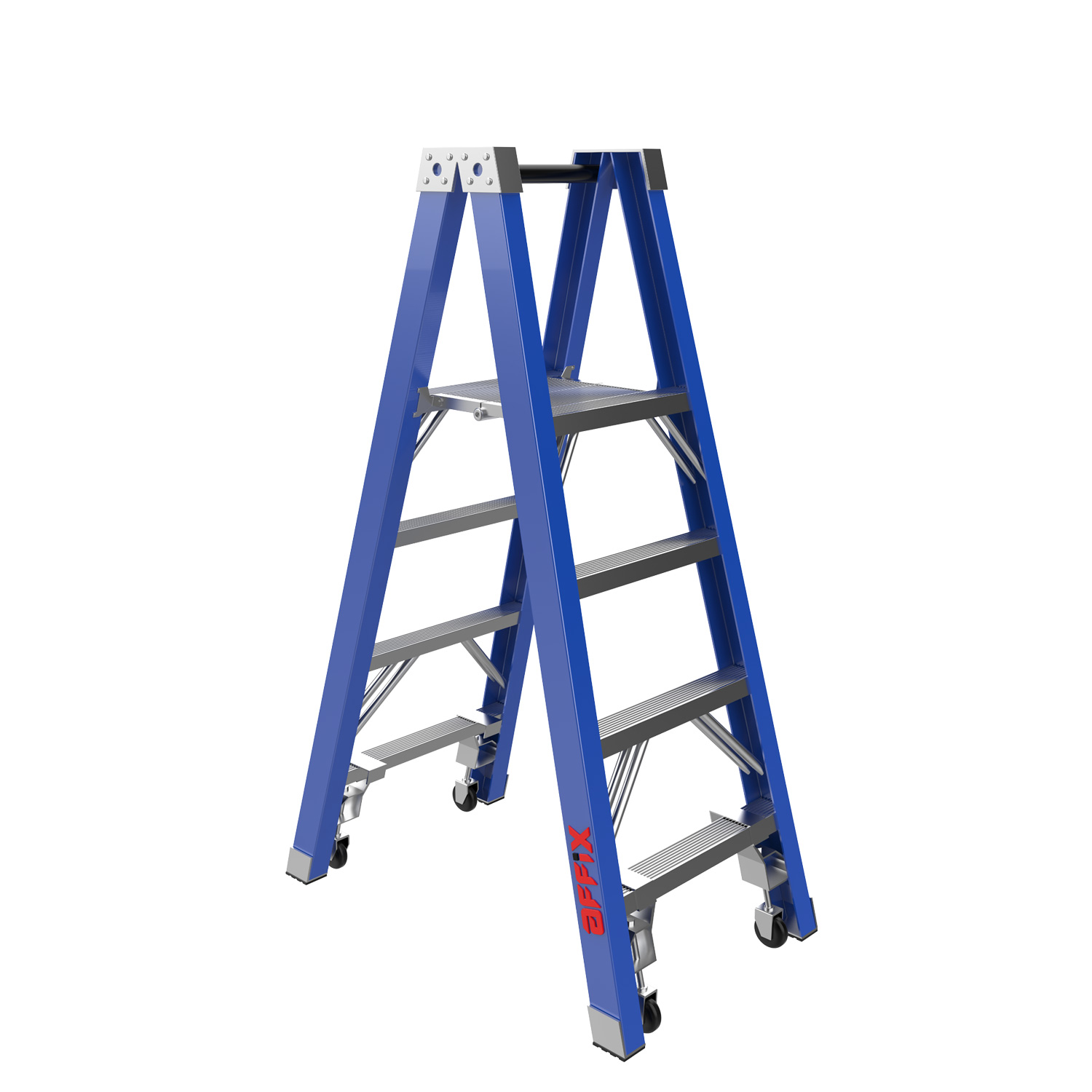
Unlike traditional metal scaffolding that often warps, rusts, or becomes a conduit for heat, FRP (Fiber Reinforced Plastic) scaffolding provides a reliable and efficient alternative. Saudi Arabia’s industrial expansion into arid, thermally challenging zones makes the use of advanced scaffolding systems not only beneficial but essential.
Why High-Temperature Worksites Are Challenging?
Before delving into how FRP scaffolding performs under such conditions, it's essential to break down what high-temperature worksites typically involve:
- Ambient Temperatures: Frequently exceed 50°C in regions like Eastern Province and the Red Sea coast.
- Radiant Heat: Originating from industrial equipment, furnaces, or thermal processes.
- Direct Sunlight: Prolonged UV exposure that degrades traditional materials.
- Thermal Cycling: Repetitive heating and cooling, which causes expansion and contraction.
All these factors combined create a highly volatile environment where traditional scaffolding systems—especially those made of steel or aluminum—are likely to degrade quickly or fail to perform safely.
The Core Material: What Makes FRP Different?
FRP (Fiber Reinforced Plastic) is composed of a polymer matrix reinforced with fibers (typically glass). Its chemical makeup gives it a superior edge in high-temperature applications due to several inherent properties:
- Non-Metallic Composition: It doesn't conduct heat.
- Thermal Stability: Resistant to deformation under high heat.
- Corrosion Resistance: Immune to rust and most chemical exposures.
- UV Resistance: Maintains structural integrity under prolonged sunlight.
In environments such as Saudi Arabia’s refineries or desalination plants, these qualities are not luxuries—they are absolute necessities.
How FRP Scaffolding Maintains Structural Integrity Under Heat?
Thermal Resistance Without Deformation
Unlike steel that may expand or soften with heat, FRP components maintain their shape and size within temperature ranges typical of Saudi job sites. Tested performance shows that properly formulated FRP can handle sustained temperatures up to 120°C without distortion.
Weight and Load Performance in Heat
Lightweight yet incredibly strong, FRP retains its load-bearing capacity even in elevated temperatures. This is especially important where prolonged heat exposure might weaken steel joints or compromise welded areas in traditional scaffolding.
Resilience to Thermal Shock
In facilities where cold-water or chemical washdowns occur right after high-temperature operations, the sudden temperature change can stress most materials. FRP scaffolding components handle this thermal shock far better due to their low thermal conductivity and high fatigue resistance.
FRP vs. Traditional Scaffolding in Heat
Property FRP Scaffolding Steel Scaffolding Aluminum Scaffolding Heat Conductivity Low High High Weight Lightweight Heavy Lightweight Corrosion Resistance High Low Moderate UV Stability Excellent Poor Moderate Load Strength at High Temp Consistent Reduced Reduced Maintenance Requirements Minimal Frequent Occasional
Real-World Applications in High-Temperature Sectors
Petrochemical Plants
Saudi Arabia’s booming petrochemical industry involves equipment that operates at extremely high temperatures. FRP scaffolding allows maintenance teams to work safely without heat transfer from the structure itself.
Power Generation Facilities
Power plants, especially those using fossil fuels, generate enormous heat. FRP scaffolding systems withstand long-term exposure without expansion or degradation.
Foundries and Smelting Plants
Molten metal operations require scaffolding that won’t fail near extreme heat sources. The low thermal conductivity of FRP ensures a safer platform for workers.
Offshore Platforms
Though not always extremely hot, offshore zones often involve salt-laden, humid air and high UV radiation. FRP handles the combined challenge of UV, heat, and corrosion effectively.
Safety Features for High-Heat Zones
FRP scaffolding isn't just about performance under heat; it’s also about minimizing risk in the most hazardous environments. Here’s how:
- Slip Resistance: FRP platforms typically feature anti-slip surfaces that don’t degrade under heat or UV.
- Non-Sparking: Critical for areas with flammable gases or high vapor concentrations.
- Electrical Insulation: Prevents conduction of stray currents, especially important in areas with exposed cables and transformers.
- Low Smoke and Toxicity Emissions: Some FRP formulations comply with stringent smoke and toxicity standards if exposed to fire or extreme heat.
Maintenance and Lifecycle Costs in Hot Environments
FRP scaffolding requires almost no upkeep compared to metal systems. In high-heat zones, rust prevention, repainting, or heat-damage repair on steel structures is an ongoing cost. FRP components:
- Don’t require coatings or galvanization.
- They are resistant to saltwater, alkalis, and industrial chemicals.
- Maintain surface integrity and strength without reconditioning.
This makes them a far more economical choice for long-term projects or permanent installations.
Quick Benefits Summary of FRP Scaffolding in High-Temperature Worksites
Here’s a quick-fire list to summarize the advantages:
- Non-conductive to heat and electricity
- Holds structural integrity up to 120°C+
- Doesn’t warp, rust, or corrode
- UV stable, even in harsh sun
- Requires minimal maintenance
- Safe for electrical and flammable environments
- Lightweight and easy to install
- Resilient to sudden temperature changes
User Experience and Setup Considerations
Those working with FRP scaffolding often report easier handling due to the lightweight material. In a climate like Saudi Arabia, where daytime temperatures make physical labor more strenuous, every kilogram matters. The reduced weight contributes to:
- Faster setup and dismantling
- Lower transport and labor costs
- Less fatigue for workers
Moreover, the modular design common in FRP scaffolding systems allows for flexible configurations even in tight or irregular spaces.
Environmental Factors in Saudi Arabia That Favor FRP Use
- Desert Heat: Where steel becomes almost untouchable by midday, FRP stays cooler and safer to handle.
- Humidity and Salinity: Coastal areas, particularly near the Red Sea and Arabian Gulf, accelerate rust in traditional materials.
- Industrial Exposure: Chemical plants often release vapors that degrade aluminum or steel; FRP resists them with ease.
- Sandstorms and UV: FRP coatings remain stable, protecting against fine particulate abrasion and radiation exposure.
Long-Term Value and Project Efficiency
Cost-effectiveness isn’t just about initial investment. FRP scaffolding delivers value over the life of the system by:
- Reducing downtime caused by scaffold repair or replacements
- Minimizing injury risks related to thermal conductivity or corrosion
- Cutting maintenance budgets significantly
- Improving worker productivity in thermally stable environments
This contributes to smoother project timelines and lower total operational costs.
Why Choose Affix Gulf Scaffolding Manufacturing LLC?
Affix Gulf Scaffolding Manufacturing LLC has emerged as a trusted name across Saudi Arabia for delivering reliable and safe FRP scaffolding systems built for extreme work conditions. Our commitment to material integrity, smart engineering, and client satisfaction ensures that your high-temperature site runs smoothly and safely.
We tailor our solutions to the unique environmental demands across various Saudi sectors—from oilfields to desalination facilities—ensuring every scaffold is built to perform and built to last. Whether you need mobility, custom configurations, or large-scale project support, our systems deliver performance where it matters most.
When the heat is high, your scaffolding must rise to the challenge. Choose safety. Choose durability. Choose Affix Gulf Scaffolding Manufacturing LLC.
Related Posts
© 2025 Invastor. All Rights Reserved
User Comments