
Ai Content Generator
Ai Picture
Tell Your Story

 Talha Razaq
Why Your Sink Drain Is Blocked and How to Prevent It
A blocked sink drain is one of the most common household plumbing problems—and one of the most frustrating. From slow drainage to complete backups, a clog can disrupt your routine and lead to expensive repairs if ignored. But what causes these blockages in the first place? The top reasons your sink drain gets blocked and provides actionable tips to keep it flowing smoothly.
Common Causes of Sink Drain Blockages
Understanding what’s clogging your sink is the first step in preventing future problems. Here are the most frequent culprits:
Grease and Fat Buildup
Pouring grease or cooking oil down the kitchen sink is a recipe for disaster. As these substances cool, they solidify and stick to the inner walls of your pipes, narrowing the passage and eventually causing a complete blockage.
Food Waste
Even with a garbage disposal, certain items like coffee grounds, pasta, rice, and eggshells should never go down the drain. These items expand or bind with grease, forming stubborn clogs.
Hair and Soap Scum
In bathroom sinks, hair easily combines with soap residue, forming thick clumps that catch inside pipes. Over time, this slows drainage and creates full blockages.
Foreign Objects
Toothpaste caps, jewellery, plastic, and even kids’ toys can accidentally fall into sink drains. These hard items obstruct water flow and often require manual removal.
Hard Water and Mineral Deposits
In areas with hard water, minerals can build up inside the pipes, narrowing them and making it easier for other debris to get stuck.
Warning Signs Your Drain Is Getting Blocked
Most sink clogs don’t happen overnight. Watch for early signs like:
- Water draining slowly
- Gurgling sounds from the drain
- Foul odours near the sink
- Water backs up when another fixture is used
Catching these symptoms early can help you act before the problem becomes severe.
How to Prevent a Blocked Sink Drain
Prevention is always better—and cheaper—than repair. Here’s how you can keep your drains clean and clog-free:
Use Drain Screens or Strainers
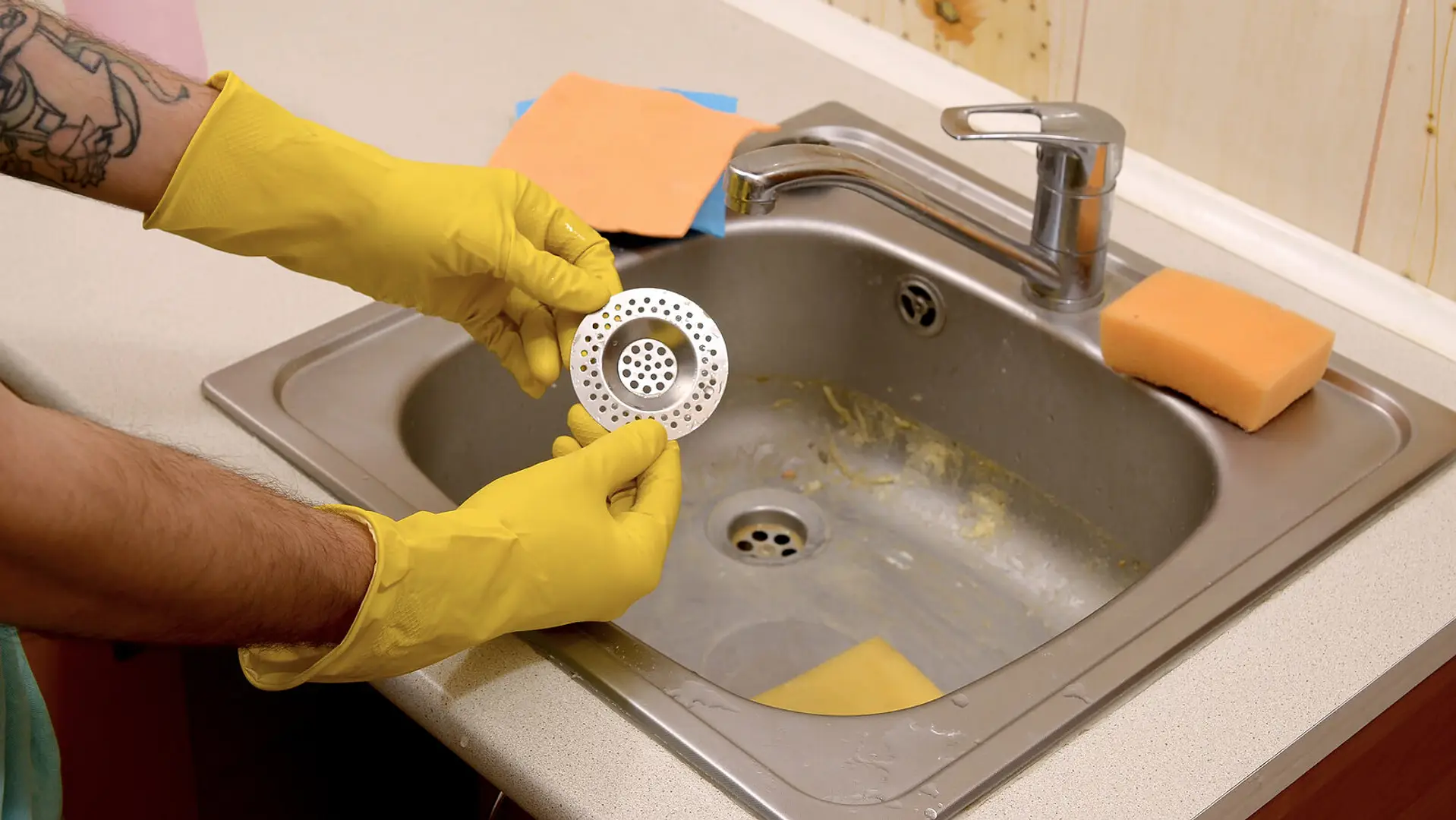
Install mesh drain screens in your kitchen and bathroom sinks to catch food particles, hair, and debris before they enter your plumbing.
Dispose of Waste Properly
Never pour oil, grease, or coffee grounds down the sink. Wipe greasy pans with paper towels and dispose of food scraps in the trash or compost bin.
Run Hot Water After Use
In the kitchen, running hot water after washing dishes can help clear minor grease buildup before it hardens in your pipes.
Clean Drains Naturally
Flush your drains monthly with a mix of baking soda and vinegar, followed by boiling water. This natural method helps break down light clogs and removes odours.
Avoid Harsh Chemical Cleaners
While chemical drain cleaners may offer quick fixes, they can corrode your pipes and cause long-term damage. Stick to natural solutions or call a professional if needed.
Regular Professional Maintenance
For homes with old plumbing or frequent clogs, scheduling annual drain cleaning with a licensed plumber can keep your system in top shape and prevent emergencies.
When to Call a Professional
If you’ve tried plunging, cleaning the trap, and using natural methods but the water still won’t drain, the issue may be deeper in the line or connected to your main sewer system. A licensed plumber can use tools like video inspection cameras and hydro-jetting to diagnose and clear tough clogs safely and permanently.
Final Thoughts
Blocked sink drains are annoying, messy, and sometimes costly—but they’re almost always preventable. By understanding the common causes and taking a few simple precautions, you can avoid the frustration of clogged sinks in your kitchen or bathroom. Don’t wait until you have standing water—adopt smart habits today to keep your plumbing running smoothly.
FAQs
What are the most common causes of a blocked sink drain?
The most common causes include grease buildup, food scraps, hair, soap scum, and foreign objects. In kitchens, grease and food particles are the main culprits, while in bathrooms, hair and soap are typically to blame.
Can I pour boiling water down the sink to clear a clog?
Yes, boiling water can help clear minor grease or soap buildup, especially in kitchen sinks. However, avoid using it if your pipes are made of PVC, as the high heat may damage them.
Is it safe to use chemical drain cleaners?
While chemical drain cleaners may offer a quick fix, they can damage your pipes over time and harm the environment. It’s safer to use natural solutions like baking soda and vinegar or call a professional for severe clogs.
How can I prevent food from clogging my kitchen sink?
Use a drain strainer to catch food particles and avoid disposing of grease, coffee grounds, pasta, or rice down the sink. Always wipe greasy pans before washing them.
What should I do if the sink is draining slowly?
Start with a boiling water flush, then try baking soda and vinegar. If that doesn’t work, use a plunger or check the P-trap under the sink for blockages.
Related Posts
© 2025 Invastor. All Rights Reserved
User Comments