
Ai Content Generator
Ai Picture
Tell Your Story

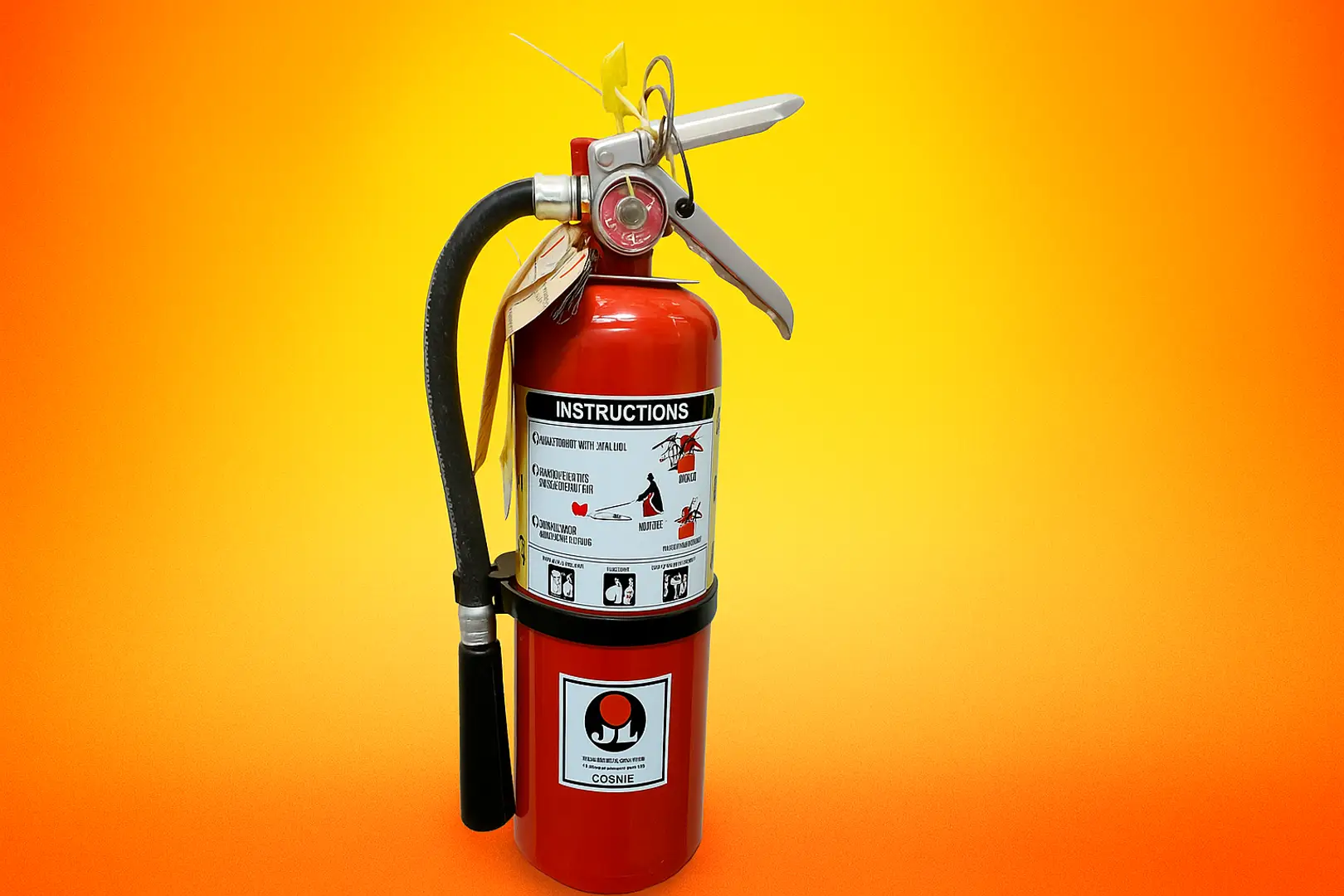
 Serviced fire Equipment
Which Fire Extinguisher Do I Need? A Simple Guide for Home and Office Safety
Fire safety is not on our minds—until the moment has passed. When protecting your home or your business, knowing what type of fire extinguisher to use can be a matter of life and death when it comes to an emergency. Not all fires are created equal, and neither are fire extinguishers. This no-nonsense book explains which one you’ll use, where to put it, and how to maintain it and have it standing by when you most need it.
Know the Fire Classes
You need to know the different classes of fire prior to choosing a fire extinguisher:
- Class A: Wood, paper, cloth, or garbage is burning.
- Class B: Fire due to flammable liquids like gasoline or oil.
- Class C: Electrical appliances are burning.
- Class D: Ignition of flammable metals (rare in domestic or ordinary offices).
- Class K: Grease or cooking oil fire—these are common in the kitchen.
Types of Fire Extinguishers and Best Uses
The following is a list of most popular fire extinguishers and where each should be deployed:
ABC Dry Chemical Extinguishers
These are the most typical and multi-purpose ones. They will battle Class A, B, and C fires, so they’re perfect to have around in both your house and general office areas. Have one handy near your electric appliances, garage, or hallway.
CO2 Fire Extinguishers
CO2 (carbon dioxide) fire extinguishers are best utilized to combat electrical fires (Class C) and flammable liquids (Class B). They do not deposit a residue, which is great for server rooms, office technical installation, or anywhere you have sensitive electronics.
If you wish to retain these units, you will have to buy a CO2 refill on a regular basis. A quick way to get one near you is by typing “co2 refill near me” or “refill co2 tank near me” in the search engine. Ensure to select one with good fire extinguisher maintenance for leaks, pressure, and valve conditions.
Kitchen Fire Extinguisher (Class K)
A kitchen fire extinguisher is specially designed to handle grease and oil fires. If you’re cooking with oil often or run a commercial kitchen, this is non-negotiable. These extinguishers use a wet chemical agent that cools and smothers flames without splashing the hot oil.
Pro tip: Don’t try to use a regular ABC extinguisher on a grease fire—it can make the situation worse.
Halon Fire Extinguisher
While newer halon extinguishers are banned due to environmental concerns, older ones remain—mainly in airplane, computer laboratory, or museum settings. Halon is effective on Class B and C fires and will not destroy computer equipment or leave a lingering after-effect.
If you have halon units already installed, it is indispensable that you get professionals on board who are capable of inspecting and recharging the unit in a proper manner. Seek local fire extinguisher service providers who still service halon units as per regulatory guidelines.
Where to Install Your Fire Extinguishers
Having the right type is one thing; getting it installed at the proper location is as important too. The following are some suggestions:
- Home Kitchen: Have a kitchen fire extinguisher (Class K) readily available, not installed directly above the stove.
- Garage or Workshop: Have an ABC extinguisher in easy reach where tools, gasoline, or thinners are stored.
- Office Setting: Place CO2 extinguishers near electrical equipment, computer station, and conference rooms.
- Commercial Kitchens: Use both Class K and ABC extinguishers for added coverage.
Keeping Your Extinguishers in Working Order
It’s easy to forget your fire extinguisher once mounted—don’t. Regular inspection will maintain it in condition when you need it most:
Inspect the pressure gauge every month.
Shake dry chem extinguishers to prevent settling.
Have professional inspections every year.
Inspect for CO2 refills near me or refill the CO2 tank near me every 5 years (or as instructed).
Hiring a professional fire extinguisher firm keeps your equipment up to code in safety issues. They’ll inspect the canister, recharge if necessary, and tell you the best place to put it.
Speed Shopping Tips
Make sure to read the label for fire class protection.
Make sure portable size—they won’t do you any good if you’re not able to carry them around.
Choose UL-approved extinguishers.
Ensure the supplier offers sales as well as service for maintenance, especially for specialty types such as halon or CO2 units.
Last Thoughts
The appropriate fire extinguisher is not just a box to check—it’s about getting your space ready to respond safely and effectively in case of an emergency. From the kitchen fire extinguisher to sophisticated halon fire extinguishers to generic CO2 refills, equipment quality and maintenance matter.
Don’t wait until there’s a fire to find out if you’re prepared. Walk through your home or office today, observe the fire risks, and fill the room with the right extinguishers. If you don’t have a clue where to start, a quick phone call to the fire extinguisher company near you or entering “co2 refill near me” will connect you with the professionals who will guide you step by step.
Related Posts
© 2025 Invastor. All Rights Reserved
User Comments