
Ai Content Generator
Ai Picture
Tell Your Story

 Enfield Oman
Best Laser Hair Removal for Sensitive Skin
When it comes to laser hair removal, those with sensitive skin often have extra concerns. Will it irritate my skin? Is it safe for my skin type? Will I end up with redness, burns, or breakouts? These are valid questions, especially for anyone who’s had past reactions to waxing, shaving, or skincare products. The good news is that laser hair removal has come a long way, and with the right technology and professional guidance, even people with sensitive skin can enjoy smooth, hair-free results without compromising their comfort or safety.
Understanding how laser hair removal works and what options are best for delicate skin types is the first step. This guide will help you explore the best Laser Hair Removal solutions for sensitive skin, what to expect during the process, and how to prepare for and care for your skin before and after treatment.
What Is Laser Hair Removal and How Does It Work?
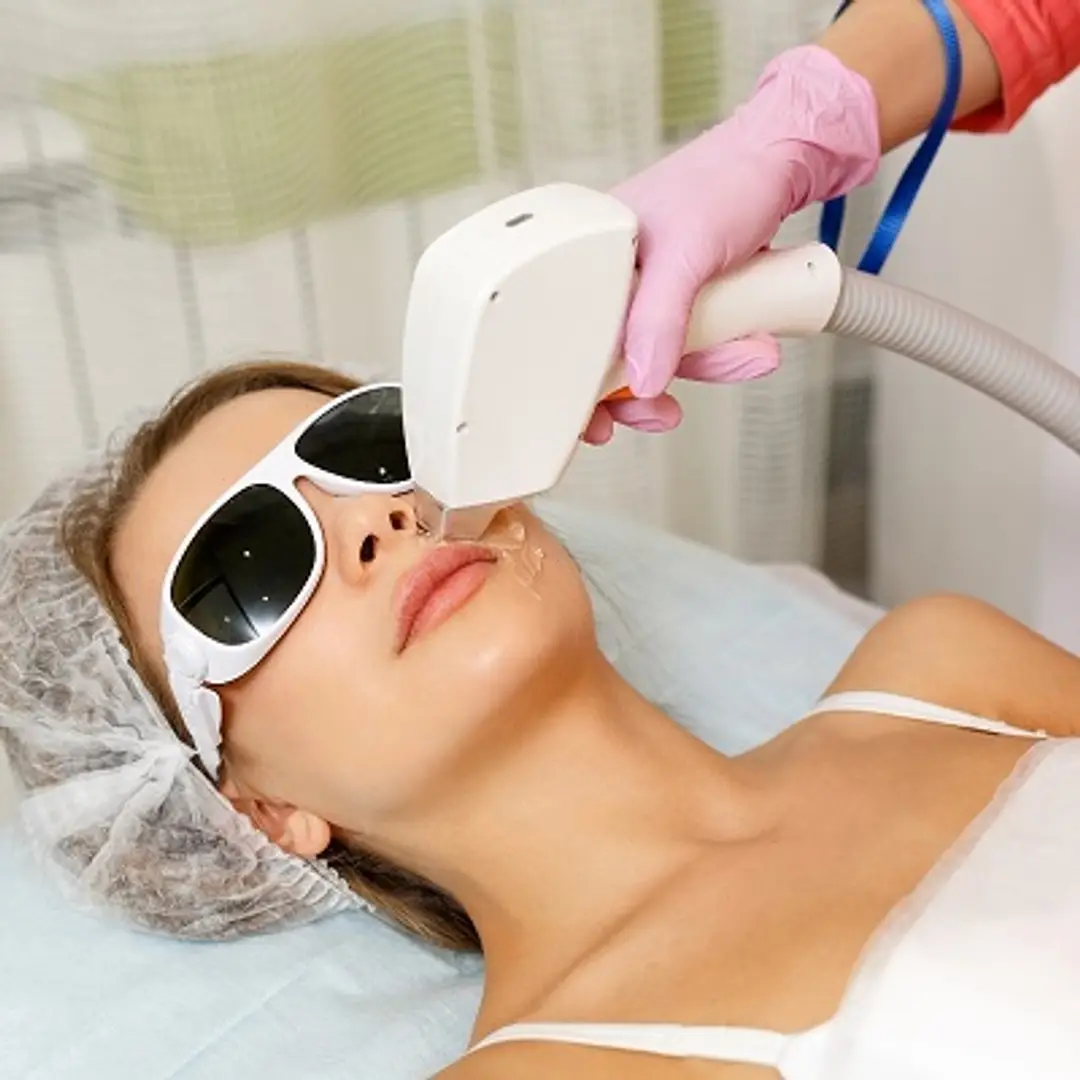
Laser hair removal is a non-invasive cosmetic procedure that uses focused beams of light to target and destroy hair follicles. The pigment in the hair absorbs the light, which heats and damages the follicle, reducing or preventing future hair growth. The treatment is widely used on various body areas, including the face, legs, underarms, back, and bikini line.
For those with sensitive skin, the challenge lies in finding a method that effectively removes hair without causing inflammation, hyperpigmentation, or discomfort. Not all lasers are created equal, and not all are suitable for every skin type, especially when the skin is easily irritated.
Which Laser Is Best for Sensitive Skin?
Choosing the best laser for sensitive skin involves considering both the type of laser and the person’s skin tone and hair color. Some laser technologies are known for their gentle touch and advanced cooling features that help protect the skin’s surface during treatment.
One of the top choices for sensitive skin is the Diode laser. It works well for light to medium skin tones and is known for its precision and ability to target the hair follicle while sparing the surrounding skin. Diode lasers often come with built-in cooling mechanisms, which make them more comfortable and reduce the risk of surface irritation.
Another excellent option is the Nd:YAG laser. This laser is especially recommended for darker skin tones and is less likely to cause skin damage, thanks to its longer wavelength that penetrates deeper into the skin. For people with both sensitive and darker skin, Nd:YAG is often considered the safest and most effective choice.
The Alexandrite laser is another option, known for its speed and effectiveness on lighter skin tones. However, it’s more intense and may not be ideal for highly reactive skin types unless used at lower settings under expert supervision.
Ultimately, the best laser for sensitive skin is one matched to the individual’s unique combination of skin tone, hair color, and sensitivity level. A consultation with a licensed laser technician or dermatologist is essential before starting treatment.
How to Prepare Sensitive Skin for Laser Hair Removal
Preparation is key to reducing the risk of adverse reactions and ensuring a smoother experience. People with sensitive skin should avoid sun exposure for at least two weeks before treatment, as tanned or sunburned skin is more prone to irritation.
It’s also important to stop using exfoliants, retinoids, or any harsh skincare products on the treatment area a few days before the appointment. Shaving the area 24 hours before treatment is typically recommended, but waxing or plucking should be avoided since the hair root needs to be present for the laser to work.
Communicating openly with your technician about your skin’s sensitivity, any allergies, or past reactions to treatments helps them customize your session and select the most appropriate settings.
What to Expect During and After Treatment
Laser hair removal sessions are relatively quick, depending on the area being treated. For sensitive skin, the sensation during treatment might feel like a warm snap or pinch. Most modern lasers include cooling devices or gels that soothe the skin immediately as the laser passes over it.
After treatment, it’s normal for the skin to look slightly red or feel warm for a few hours. For those with sensitive skin, this effect may last a bit longer, but it typically subsides within a day or two. Applying a cold compress, using fragrance-free moisturizers, and avoiding heat (like saunas or hot showers) can help calm the skin.
It’s also crucial to avoid sun exposure after treatment and apply a broad-spectrum sunscreen daily. Sensitive skin is more vulnerable to hyperpigmentation, so protecting it from UV rays is non-negotiable.
Professional vs. At-Home Laser Hair Removal for Sensitive Skin
While at-home laser hair removal devices are becoming increasingly popular, they are not always the best choice for sensitive skin. Home devices use lower energy levels for safety reasons, but they may still cause irritation or burns if used improperly or on unsuitable skin types.
Professional clinics use advanced technology that allows for customization based on skin sensitivity, hair density, and pigment. In addition, trained technicians know how to adjust settings, monitor your skin’s response, and provide guidance for aftercare, all of which significantly reduce the risk of side effects.
If sensitive skin is a concern, it’s best to leave laser hair removal in the hands of professionals who understand how to deliver effective results safely.
FAQs About Laser Hair Removal for Sensitive Skin
Can people with sensitive skin get laser hair removal?
Yes, people with sensitive skin can safely undergo laser hair removal, provided the right laser technology and proper precautions are used. A consultation with a licensed provider is the best way to determine if you’re a good candidate.
What side effects are common for sensitive skin after laser hair removal?
Mild redness, swelling, or a sunburn-like sensation is common and usually temporary. People with sensitive skin may experience these effects slightly longer, but serious complications are rare when treated by an experienced professional.
How can I reduce irritation after a session?
Apply a gentle, fragrance-free moisturizer or aloe vera gel. Avoid sun exposure, heat, and active skincare ingredients for a few days post-treatment. Always follow the aftercare instructions provided by your technician.
Is it safe to get laser hair removal on the face if I have sensitive skin?
Yes, laser hair removal can be safely done on the face for those with sensitive skin, but it requires extra caution. A lower setting and specialized lasers are often used in facial treatments to minimize risk.
Are numbing creams safe for sensitive skin before treatment?
Numbing creams can be used, but they should be applied under the guidance of your provider. Some people with sensitive skin may react to ingredients in these creams, so always perform a patch test first or ask your clinic to provide a medical-grade option.
How long do results last for sensitive skin types?
Results vary, but many people enjoy long-lasting hair reduction after a full treatment cycle. Some may need occasional maintenance sessions. Sensitive skin doesn’t necessarily affect how long the results last, but it may require more gentle handling during and after the process.
Final Thoughts
Laser hair removal can be a safe, effective, and liberating solution for people with sensitive skin—if done correctly. Choosing the right laser technology, working with experienced professionals, and following tailored aftercare routines can make all the difference in achieving smooth, irritation-free results.
While every skin type is unique, sensitivity doesn’t have to be a barrier to enjoying the benefits of laser hair removal. With the right guidance and technology, it’s possible to reduce unwanted hair comfortably and confidently.
If you’ve been hesitant to try laser hair removal because of sensitive skin concerns, now is the time to explore your options. A customized approach and a trusted provider are the keys to turning a concern into a confident solution.
Related Posts
© 2025 Invastor. All Rights Reserved
User Comments