
Ai Content Generator
Ai Picture
Tell Your Story

 Mark Baker
Dymo Label Recommendations for Bottles and Irregular Surfaces: Choose Strong Adhesive Labels
Labeling bottles, tubes, and curved or textured surfaces presents a unique set of challenges. Standard labels may peel, wrinkle, or detach completely over time—especially when applied to small-radius curves, uneven textures, or surfaces exposed to moisture. When using a Dymo direct thermal printer, selecting the right label material and adhesive is critical for ensuring a long-lasting, professional result.
In this guide, we’ll explore how to effectively use Dymo labels on non-flat surfaces, what makes a strong adhesive label different, and when to use these specialized labels for optimal performance. Whether you’re labeling cosmetic bottles, lab vials, or drink containers, the right Dymo-compatible label can make all the difference.
Challenges of Labeling Bottles and Irregular Surfaces
Before we dive into label recommendations, it’s important to understand the common challenges posed by these surfaces:
Curved surfaces: Standard flat labels often lift or wrinkle on cylindrical containers.
Textured or uneven surfaces: Labels may not make full contact with the surface.
Moisture exposure: Condensation on bottles can weaken adhesive bonds.
Frequent handling: Bottles are touched, moved, or rubbed often, risking label peeling.
Tight diameters: Small bottles or tubes require flexible materials to stay put.
These challenges call for a specialized solution: strong adhesive Dymo-compatible labels designed specifically for tough conditions.
What Makes a Label “Strong Adhesive”?
Strong adhesive direct thermal labels go beyond regular label construction. Key differences include:
Aggressive rubber-based adhesives: Designed to bond instantly and hold under stress
Flexible facestock: Conforms to curves without wrinkling
Pressure-sensitive application: Adheres firmly when pressed into place
Moisture-resistant backings: Helps maintain adhesion even in slightly damp conditions
These characteristics make strong adhesive labels ideal for curved, plastic, or uneven surfaces.
Applications Where Strong Adhesive Dymo Labels Shine
- Cosmetic Bottles and Jars
- Common in skincare, haircare, and aromatherapy
Surfaces are usually plastic or glass with tight curves
Strong adhesive labels prevent edge lifting under frequent use
- Medical and Laboratory Tubes
- Small vials, test tubes, and medicine bottles
Require tight bonding and clear identification
High-performance adhesives ensure labels stay put through refrigeration and handling
- Drink Bottles and Cans
- Used in breweries, small-batch beverage brands, or events
Bottles often experience condensation
Standard labels may slide off or bubble—strong adhesive prevents that
- Industrial and Workshop Environments
- Tools, cables, and fluid containers often have textured or oily surfaces
Rugged adhesives needed to withstand dirt, handling, and vibration
- Essential Oil Bottles or Dropper Vials
- Small diameter with slick surfaces
Require flexible and extra-sticky materials
Key Features to Look for in Strong Adhesive Dymo Labels
When choosing a strong adhesive label compatible with Dymo printers, look for the following:
Compatible with Dymo direct thermal printers (e.g., LabelWriter 450, 550, etc.)
Label facestock with flexibility to wrap around curves
High-tack adhesive that forms a quick and lasting bond
Smudge-resistant thermal coating for clear printing
Standard label sizes, like 1" x 2-1/8" or smaller formats, that work well on bottles
Tips for Applying Labels on Bottles and Irregular Surfaces
Clean the surface first: Remove any dust, oil, or moisture to maximize adhesion.
Apply pressure evenly: Press from the center outward to avoid air bubbles.
Use the correct size: Don’t use oversized labels on small-radius curves.
Let labels cure: Allow a few minutes for the adhesive to set before use.
Avoid application in humid or cold environments: Temperature affects adhesive performance.
Advantages of Using Strong Adhesive Direct Thermal Labels
Reliable bonding on difficult surfaces
Reduced label waste from peeling or misalignment
Improved legibility for barcodes and product IDs
Lower re-labeling costs in production and fulfillment lines
Professional appearance, even on challenging packaging
FAQs
Q1: Can I use regular Dymo labels on curved bottles?
You can, but standard labels may peel or wrinkle over time. For best results, use labels with strong adhesive and flexible facestock.
Q2: Do strong adhesive Dymo labels leave residue when removed?
They may leave a trace of adhesive, especially if left on for long periods. However, this is a trade-off for stronger, more reliable bonding.
Q3: Are strong adhesive labels waterproof?
Direct thermal labels are not fully waterproof, but strong adhesive versions resist light moisture better. For full waterproofing, lamination or thermal transfer labels are recommended.
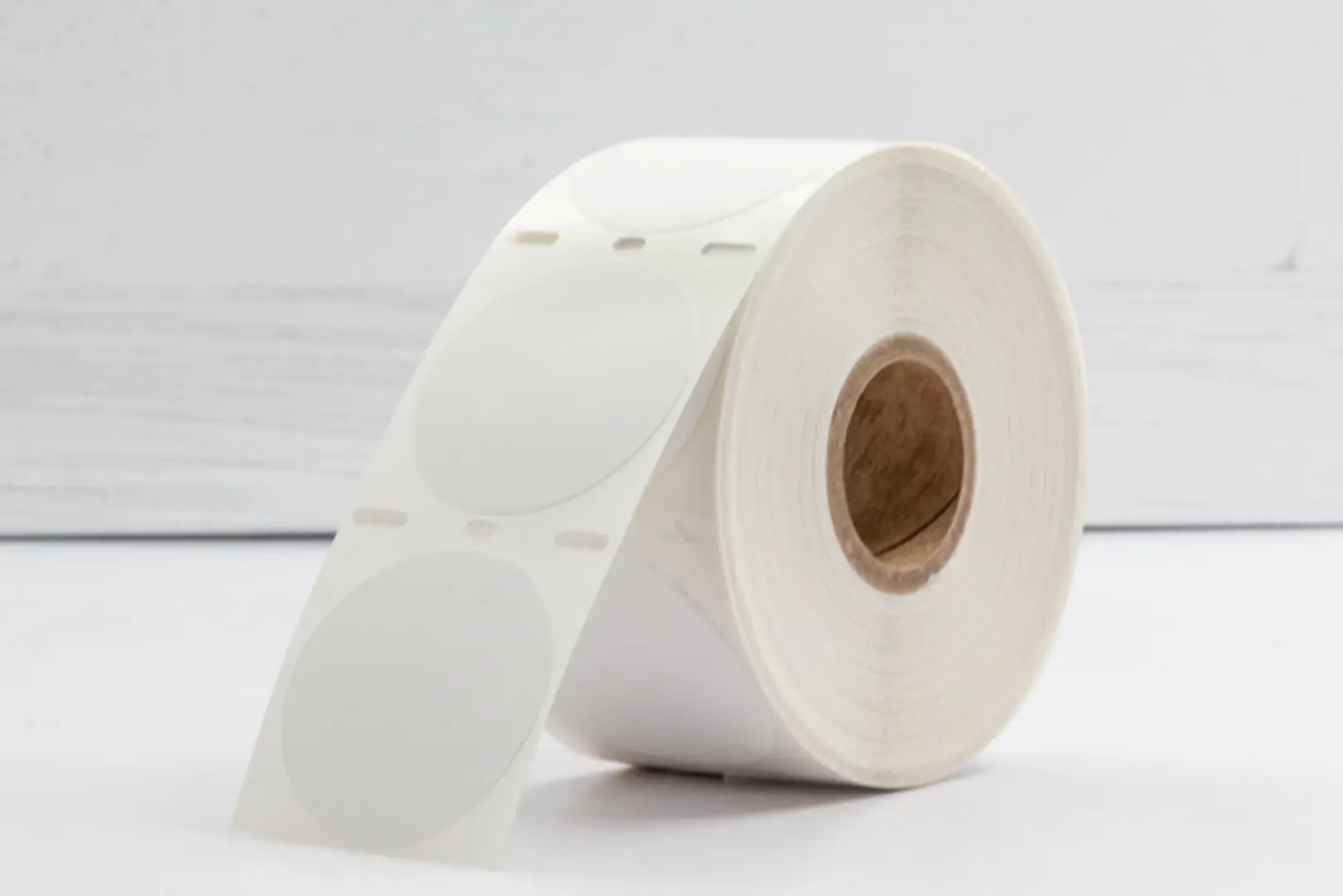
Betckey Strong Adhesive Labels: A Reliable Choice for Curved Surfaces
For businesses and creators who need durable labeling on curved, small, or textured surfaces, Betckey offers strong adhesive direct thermal labels compatible with Dymo printers. Engineered to stay in place where ordinary labels fail, Betckey’s solutions provide excellent print clarity, reliable adhesion, and a professional finish—even under demanding conditions.
Whether you’re labeling lab vials, cosmetic bottles, or custom product packaging, Betckey helps ensure your labels stick with confidence.
Related Posts
© 2025 Invastor. All Rights Reserved
User Comments