
Ai Content Generator
Ai Picture
Tell Your Story

 adel arfa
Skin Needling vs. Microneedling: Is There a Difference?
Is there really a difference between skin needling and microneedling—or are they just two names for the same thing?
If you’ve been exploring cosmetic treatments to smooth out acne scars, reduce wrinkles, or refresh tired-looking skin, you’ve likely stumbled across both terms.
At first glance, they seem interchangeable. But once you dig deeper, you’ll find subtle—but important—differences in technique, technology, and results.
In this post, we’re breaking it all down. Whether you’re considering booking your first treatment or just want to make a smarter skincare decision, this guide will help you understand the real difference between skin needling and microneedling—without the jargon.
Quick Overview: Skin Needling vs. Microneedling at a Glance
Here’s a quick side-by-side comparison of the two terms:
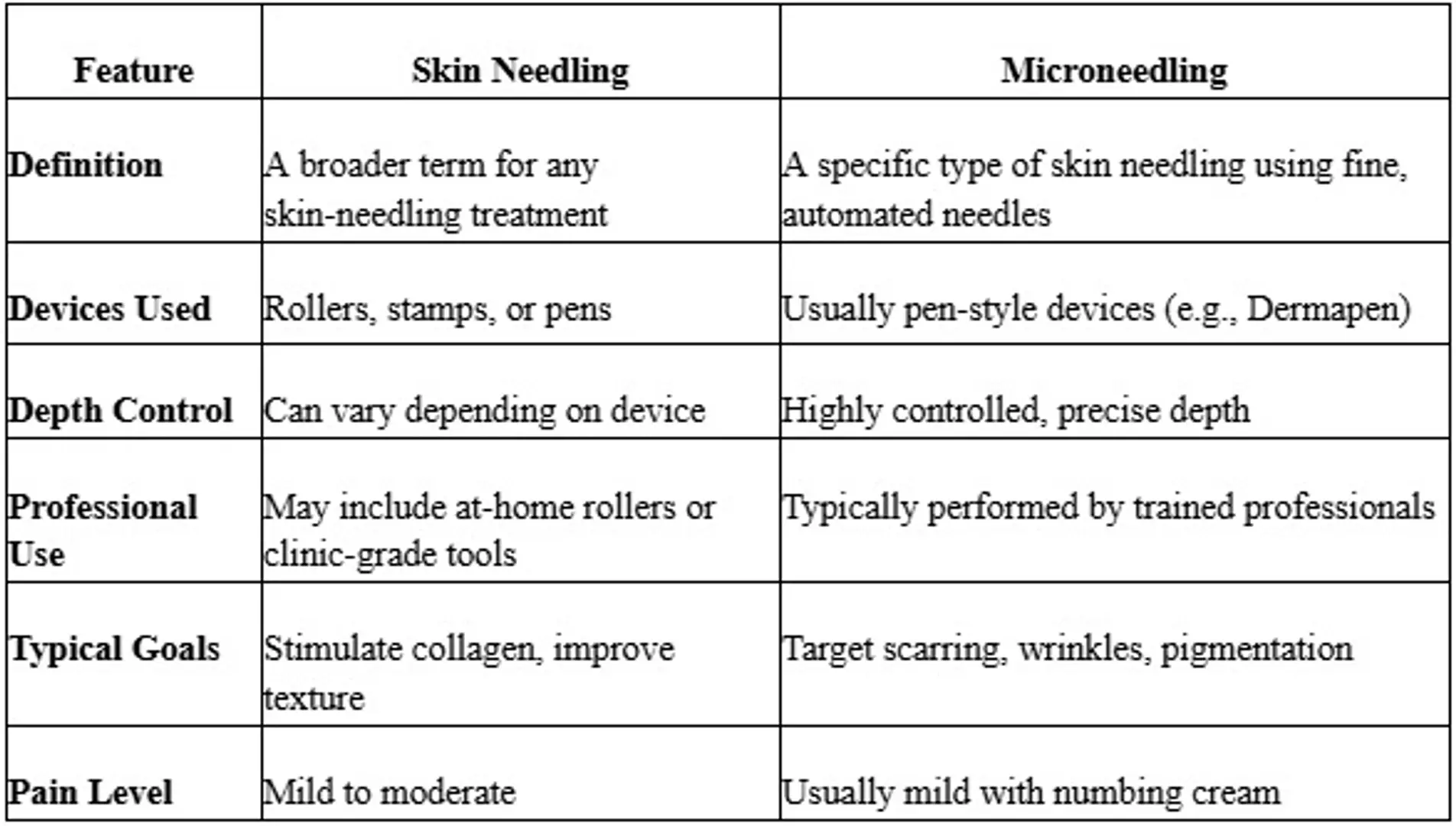
Want to dive deeper into each and understand what’s right for your skin goals? Keep reading!
Breaking Down the Terms: What Is Skin Needling?
Skin needling is the umbrella term for treatments that use tiny needles to puncture the skin in a controlled way. The idea is simple but powerful: create micro-injuries that signal the body to produce more collagen and elastin—the key ingredients for smoother, firmer skin.
There Are Three Main Categories:
- Dermal Rollers – handheld devices with tiny needles rolled across the skin.
- Dermal Stamps – flat, stamp-like tools used manually for targeted areas.
- Needling Pens – electric or battery-powered tools with automated needle movement.
Microneedling is a type of skin needling—but with more precision and consistency.
So What Makes Microneedling Different?
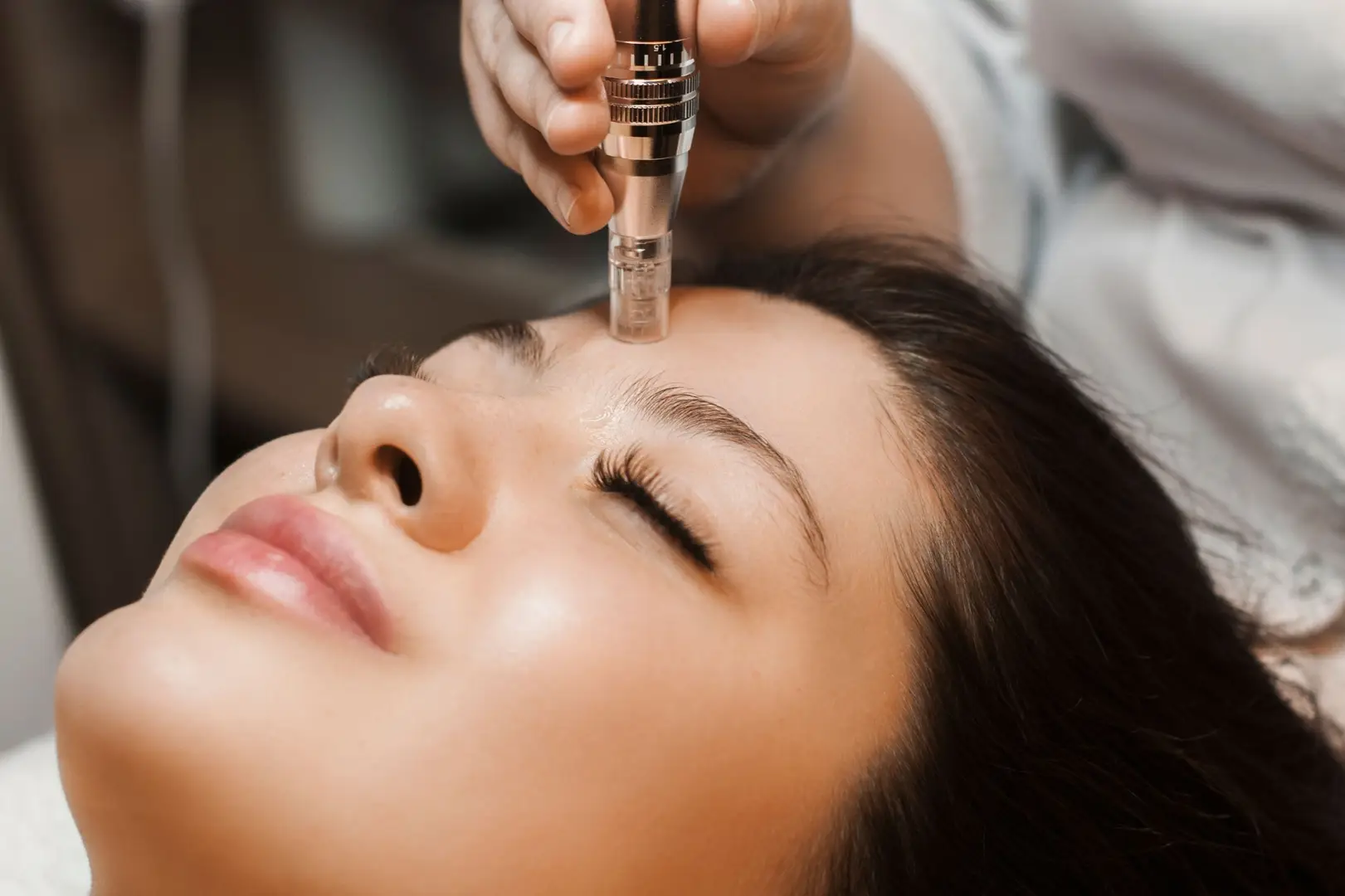
Microneedling, often referred to by brand names like Dermapen or SkinPen, is a specific method of skin needling that uses automated pen-style devices to deliver more controlled results.
Key Differentiators:
- Precision Control: The needle depth and speed can be precisely adjusted by the practitioner.
- Less Risk of Damage: Unlike rollers, microneedling pens don’t tear the skin laterally.
- Better for Delicate Areas: Ideal for around the eyes, nose, and lips.
- More Consistent Results: The even depth of penetration delivers more predictable improvements.
Pro Tip: If you’re looking to treat acne scars or deep wrinkles, microneedling may give you faster and more noticeable results due to its accuracy.
Treatment Experience: What to Expect
While both treatments follow similar steps, the experience can differ slightly depending on the device and provider.
Skin Needling (General)
- Cleanse and prep the skin
- Apply numbing cream if needed
- Use roller or manual device across treatment area
- Post-treatment serum or calming mask
Microneedling
- Same preparation, but with:
- Computer-controlled needling depth for better targeting
- May include additional tech (like LED light therapy or radiofrequency)
Downtime:
- Skin may appear red and feel sensitive for 24–72 hours
- Microneedling often has shorter downtime due to less trauma
Who Should Choose What?
Both treatments promote skin renewal—but your specific skin goals and skin type will help determine the best option.
You might prefer skin needling if:
- You’re after mild skin rejuvenation
- You want a cost-effective, low-commitment option
- You’re considering at-home treatments (with caution!)
You might opt for microneedling if:
- You’re targeting acne scars, deep lines, or pigmentation
- You want precise, consistent results
- You’re working with a skin professional or dermatologist
Did You Know?
Microneedling can be paired with platelet-rich plasma (PRP), vitamins, or hyaluronic acid for even greater skin rejuvenation. This is sometimes called a “vampire facial.”
Quick Guide: Choosing the Right Needling Treatment for You
The Situation:
You’ve been noticing rough texture, acne scars, or fine lines—and you’ve heard needling can help. But you're unsure where to start.
Common Questions:
- Is one better than the other for pigmentation?
- What’s safer if I have sensitive skin or rosacea?
- Can I do it at home, or should I go to a clinic?
Smart Tips to Help You Decide:
- Start with a Skin Assessment: A qualified dermal therapist or clinic can evaluate your skin and recommend what’s best for your goals.
- Think Long-Term, Not Just One Session: Both treatments often require multiple sessions (usually 3–6) to see dramatic results.
- Choose Professional Over DIY: At-home rollers can be risky. Improper technique increases infection risk and may cause micro-tears.
- Watch for Clinical Standards: Look for clinics that use TGA-approved devices (in Australia) and follow proper hygiene protocols.
Why It Works:
When you align the treatment with your skin’s needs and choose a safe, controlled method, you're far more likely to see smoother texture, reduced scarring, and an overall glow—without compromising skin health.
Still not sure? Start with a consultation—it’s often free, and you’ll get expert insights before making a decision.
FAQs: Skin Needling vs. Microneedling
Is microneedling more effective than regular skin needling?
In most cases, yes. Microneedling pens allow for better control, depth, and targeting, which leads to more visible results, especially for scarring or deep wrinkles.
Is there a big price difference?
Yes. Microneedling treatments are usually more expensive, but they’re also more effective and require fewer sessions than basic needling rollers. Prices range from $100–$400 per session depending on location and device.
Can I do skin needling at home?
Technically yes, but home rollers are not as effective and carry a higher risk of skin irritation or infection. Always sanitize and follow manufacturer instructions—or better yet, stick to professional treatments.
Is there any downtime?
Expect 1–3 days of redness or sensitivity with either treatment. Microneedling often has less surface trauma, making recovery slightly faster.
Can these treatments help with acne scars?
Absolutely. Microneedling is one of the most effective non-surgical options for improving post-acne scarring. Skin needling rollers may help too, but they’re less targeted.
Conclusion: Small Needles, Big Impact
While skin needling and microneedling are closely related, they’re not quite the same. The difference comes down to precision, results, and how the treatment is delivered.
If you're after noticeable changes—especially for scars or aging—microneedling is the gold standard. But if you're just dipping your toes into skin treatments, a basic needling session can still boost glow and texture.
The best results come from understanding your skin and choosing the right tool for the job.
Related Posts
© 2025 Invastor. All Rights Reserved
User Comments