
Ai Content Generator
Ai Picture
Tell Your Story

 Camp bell
House Demolishers Essential Techniques for Efficient and Safe Property Removal
House demolishers play a crucial role in safely and efficiently tearing down structures to make way for new construction or land use. They use specialized equipment and techniques to dismantle buildings while minimizing risks to people and the environment.The main purpose of house demolishers is to remove old or unsafe structures quickly, clearing the site for future development. Their work requires careful planning and adherence to local regulations to manage debris and hazardous materials properly.Understanding how house demolishers operate can help property owners make informed decisions about renovations or rebuilding. Skilled demolishers ensure the process is carried out without delays, unexpected costs, or damage to surrounding areas.
Understanding House Demolishers
House demolishers manage the safe and efficient destruction of buildings. They use specialized tools and techniques, while adhering to safety regulations and environmental standards. Their work varies depending on the type of demolition and the specific requirements of each project.
What Does a House Demolisher Do?
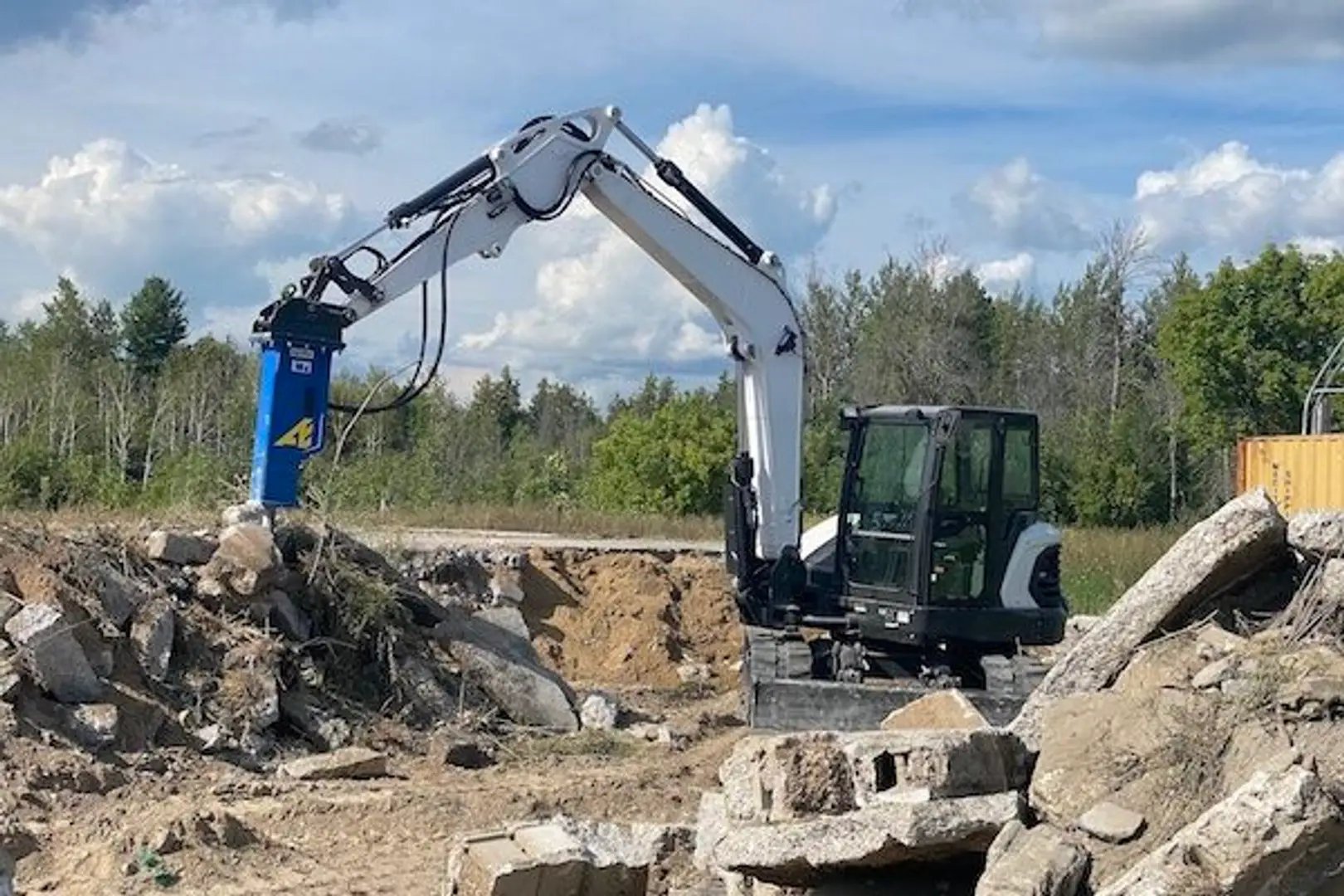
A house demolisher dismantles buildings using machinery such as excavators, wrecking, or manual tools. They assess structures to identify hazards like asbestos or unstable materials before starting demolition.They plan the sequence of demolition to minimize risks and control debris. Cleanup and proper disposal of rubble are also key parts of their job. Their focus is on safety, efficiency, and compliance with local laws.
Types of Demolition Services
Demolition services can be categorized mainly into three types: partial demolition, total demolition, and selective demolition. Partial demolition removes specific parts of a structure, while total demolition clears the entire building.Selective demolition requires removing designated elements without damaging surrounding structures. Each type requires different tools and planning to meet the project's demands and environmental considerations.
Key Qualifications and Certifications
House demolishers typically hold certifications such as OSHA safety training or licenses for operating heavy machinery. Knowledge of local building codes and hazardous material handling is essential.Experience with demolition techniques and risk management is crucial for job performance. Continuing education ensures they stay updated on safety protocols and evolving regulations.
Choosing the Right House Demolisher
Selecting a house demolisher requires careful attention to experience, safety practices, and pricing. Each factor plays a crucial role in ensuring a smooth demolition process that complies with regulations and fits the project’s budget.
Factors to Consider When Hiring
Experience in residential demolition is essential. A demolisher with a proven track record understands the structural challenges specific to houses and can avoid complications. Verify their licensing and insurance to protect against liability.
Local knowledge is also important. Familiarity with municipal regulations speeds up permitting and ensures compliance. Check for customer reviews or references to gauge reliability and professionalism.The company’s equipment matters too. Modern machinery reduces the risk of damage to surrounding structures. Clear communication and a written contract detailing scope and timelines provide accountability.
Evaluating Safety Standards
Safety protocols must be a priority. The demolisher should follow OSHA guidelines or local safety regulations to protect workers and residents nearby. Proper handling of hazardous materials like asbestos or lead paint is required.Site preparation includes secure fencing, dust control, and removal of utilities prior to demolition. Workers should have appropriate personal protective equipment (PPE).
Ask about their safety record, including any past violations or accidents. A transparent company will willingly share their procedures and certifications to demonstrate their commitment to safety.
Cost Considerations
Demolition costs vary based on house size, materials, and location. Request detailed quotes to compare labor, permits, debris removal, and disposal fees. Be wary of unusually low bids, which may indicate cutting corners.
Some demolishers charge by project, others by volume or hourly rates. Verify if the estimate includes site cleanup or if that is extra.Discuss payment terms upfront and check if there are contingencies for unexpected issues such as hidden utilities or environmental hazards. Transparent pricing helps avoid surprises and budget overruns.
Related Posts
© 2025 Invastor. All Rights Reserved
User Comments