
Ai Content Generator
Ai Picture
Tell Your Story

 sadaf khan
When Is Hair Transplant the Last Resort in Islamabad?
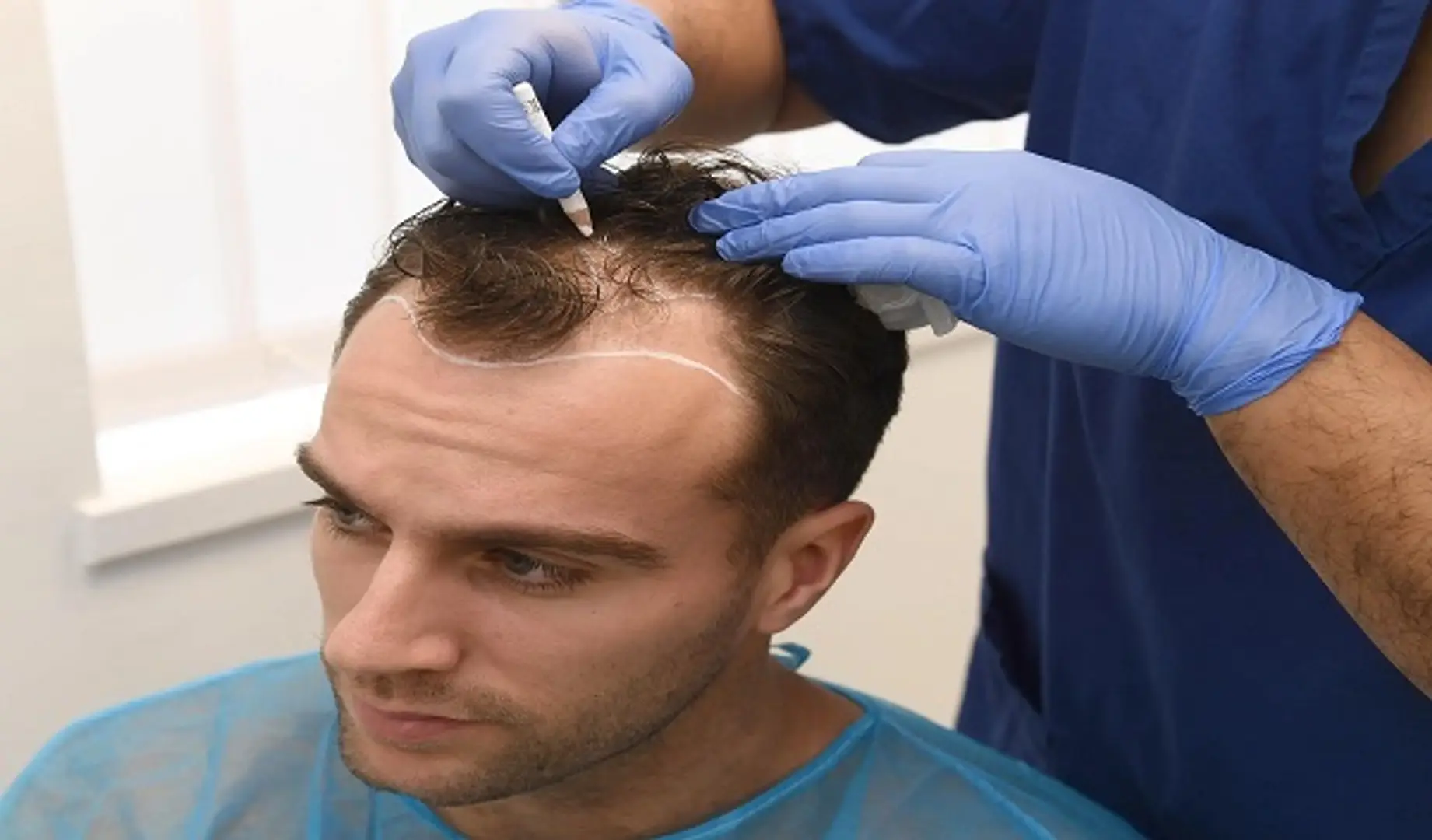
Hair loss is a distressing experience that affects individuals physically, emotionally, and psychologically. While many treatment options exist—ranging from medications to laser therapies—there comes a point where non-surgical approaches might fail to deliver satisfactory results. At that stage, a surgical procedure like a Hair Transplant in Islamabad often becomes the final, viable solution.
But how do you know when it’s time to consider hair transplant surgery as your last resort? This blog explores the indicators, conditions, and factors that make hair transplant the most appropriate option when all else has failed.
Understanding Hair Loss: When to Take Action
Hair loss can stem from a wide variety of causes including genetics, hormonal imbalances, stress, illness, or environmental exposure. In men, the most common form is androgenetic alopecia (male pattern baldness), while women may experience diffuse thinning due to hormonal shifts, especially during menopause or as a result of PCOS or thyroid disorders.
Initially, non-surgical treatments such as minoxidil, finasteride, PRP therapy, or laser therapy are recommended. However, not everyone responds well to these treatments, especially in the case of advanced or genetic hair loss.
Early Treatments: Why They May Not Always Work
Before jumping into surgical options, most patients in Islamabad try the following treatments:
Topical Minoxidil: A commonly used over-the-counter treatment that may slow hair loss and promote regrowth in some patients.
Oral Finasteride: A prescription drug that blocks the hormone DHT, which is responsible for shrinking hair follicles in male pattern baldness.
Platelet-Rich Plasma (PRP) Therapy: This regenerative approach involves injecting your own plasma into the scalp to stimulate follicle health.
Laser Hair Therapy: Low-level lasers are used to energize hair follicles and promote blood circulation.
These methods can be beneficial in the early or moderate stages of hair loss, but they often lose effectiveness as baldness progresses—especially when hair follicles become dormant or dead.
Signs It’s Time to Consider Hair Transplant as the Final Option
- Extensive Balding
- When bald patches or receding hairlines become too prominent and non-surgical therapies fail to offer noticeable improvement, it’s time to consider transplantation.
- No Response to Medication
- Patients who have tried FDA-approved medications for 6 to 12 months without success may be ideal candidates for surgical intervention.
- Low Hair Density in the Crown or Hairline
- If hair density continues to diminish despite ongoing treatment, and visual aesthetics become a concern, a hair transplant can help restore a natural look.
- Emotional or Psychological Distress
- Hair loss can lead to anxiety, low self-esteem, and even depression. If your hair loss significantly impacts your quality of life, seeking a permanent solution becomes a mental health decision as well.
- Stable Hair Loss Pattern
- Doctors often advise waiting until hair loss stabilizes—especially in younger patients—to avoid future patchiness. Once the pattern is stable, surgery becomes a more strategic and lasting solution.
What Makes Hair Transplant a “Last Resort”?
Hair transplantation is often reserved for cases where other treatments have been exhausted or are no longer viable. It involves removing hair follicles from the back or sides of the scalp (donor area) and implanting them into bald or thinning areas.
The term “last resort” does not mean “last hope.” Instead, it refers to:
Definitive, one-time solution (in most cases)
Invasive procedure requiring downtime and recovery
Higher upfront cost, which is a barrier for many
Eligibility criteria, which not all patients meet (e.g., sufficient donor hair)
Because of these considerations, physicians generally attempt all non-surgical treatments before recommending a transplant.
Are You a Candidate for Hair Transplant?
Not everyone is a good fit for hair transplant surgery. Candidates usually meet the following criteria:
Age over 25, with a stable hair loss pattern
Good general health
Adequate donor hair on the back or sides of the scalp
Realistic expectations about the results
A qualified surgeon will perform a detailed scalp analysis, blood tests, and even a psychological assessment to ensure that surgery is the appropriate next step.
Advantages of Choosing a Hair Transplant
Once deemed a suitable candidate, you’ll experience several benefits:
Natural results that blend seamlessly with existing hair
Permanent regrowth in treated areas
Minimal maintenance after the healing process
Improved self-confidence and appearance
Customizable techniques like FUE, FUT, or DHI based on your unique hair characteristics
Common Misconceptions
Many individuals in Islamabad delay getting a transplant due to myths such as:
“It’s painful and risky.”
→ Modern techniques like FUE are minimally invasive and performed under local anesthesia.
“Results look unnatural.”
→ With skilled surgeons and advanced mapping, the results can look just like your original hairline.
“I’ll lose the transplanted hair again.”
→ Donor hair is resistant to DHT, making it permanent in most cases.
Don’t let myths deter you from a procedure that has helped thousands regain their confidence.
When Is It Too Late for a Hair Transplant?
In some rare cases, a transplant may not be feasible:
Insufficient donor hair: If the donor area is too sparse, achieving good coverage becomes difficult.
Medical conditions: Autoimmune diseases or clotting disorders may increase surgical risk.
Unrealistic expectations: If someone expects a full head of thick hair after significant balding, they may be disappointed.
In such cases, scalp micropigmentation or high-end hair systems may be considered as alternatives.
Preparing for a Hair Transplant
If you and your doctor agree that it’s time for a transplant, here are a few pre-op steps to take:
Stop smoking and alcohol at least two weeks prior
Avoid blood thinners like aspirin
Maintain a healthy diet to aid healing
Discuss medications or allergies with your surgeon
Being well-prepared significantly improves post-operative outcomes and satisfaction.
Conclusion
When non-surgical treatments fail to reverse or slow down your hair loss, undergoing a Hair Transplant in Islamabad may be the final—and most effective—resort. It offers not just a cosmetic improvement but also emotional and psychological relief from the burden of hair loss.
If you’re unsure whether it’s time to consider this step, a consultation with a reputable clinic can clarify your options. Dynamic Clinic in Islamabad offers comprehensive evaluations, cutting-edge technology, and personalized care, ensuring you make an informed, confident decision for your hair restoration journey.
Related Posts
© 2025 Invastor. All Rights Reserved
User Comments