
Ai Content Generator
Ai Picture
Tell Your Story


 Stormi Brittany
Can Lumber Get Wet?
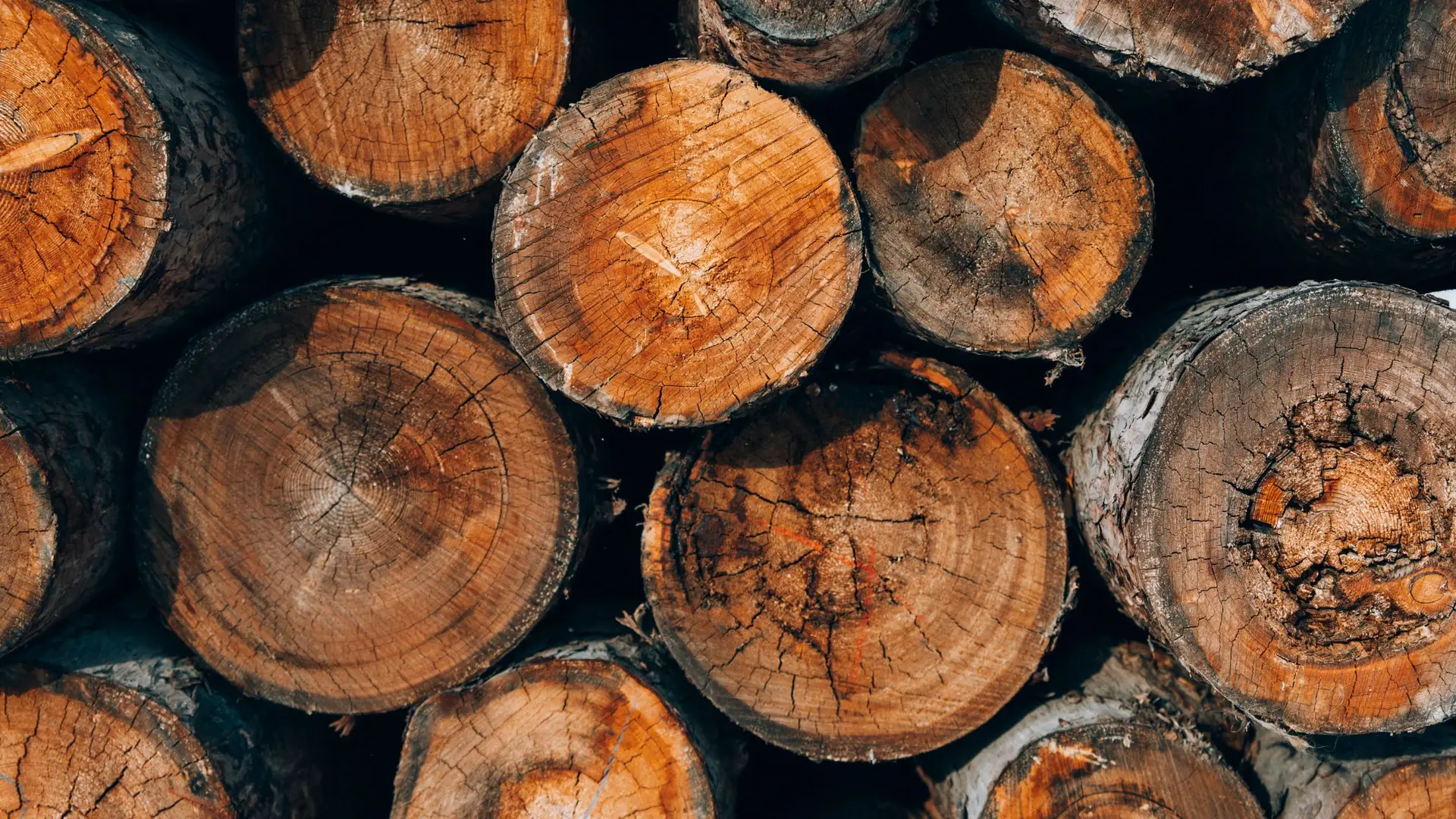
Lumber is one of the basic building materials in residences, construction, and even in other building furniture. Lumber can withstand a certain amount of moisture, but it cannot be subjected to too much water or long-term exposure to it. Wood is a naturally porous product and is readily absorbent of water, which may cause swelling, warping, mold growth, and eventual decay unless regulated. Whereas some types, such as pressure-treated lumber, are moisture-resistant, untreated or dried in the kiln, wood can be more susceptible to moisture and should be handled with caution.
Moisture poses a consistent challenge in both new construction and renovation projects, especially when it comes to lumber. Rain, humidity, and ground contact can all compromise its strength and usability. That’s why professionals providing framing takeoff services factor in moisture conditions when estimating lumber requirements. Accurate planning ensures the right material grade is selected, reducing waste and avoiding delays caused by warped or damaged wood.
What Happens When Lumber Gets Wet?
When lumber comes into contact with water, it takes moisture into its fibres. Wood is a porous substance, and it is capable of retaining large quantities of water depending on how the wood has been treated or what type of wood it is. The extent of lumber damage by water varies with the exposure time, water temperature, air circulation, and whether the wood is treated or raw.
Lumber will not usually be ruined by exposure to rain or humidity in the short term. Some problems, however, can develop during long-term exposure:
Swelling and Warping: The swelling of wood occurs as the wood soaks up moisture, in which the fibers swell, and the result could be warping, cupping, or bowing.
Development of rot and mould: Consistent damp conditions provide an environment in which moulds and fungi can develop, particularly on untreated timber.
Structural weakness: The wood loses structural integrity over a period as it is damaged by water.
Discoloration: Waterlogged wood may discolors with dark spots, stains, or even with a grey surface.
Types of Lumber and Water Resistance
Pressure-Treated Lumber
Pressure-treated lumber is filled with chemicals to prevent rot, mold, and insects. It is particularly made to withstand outdoor moisture exposure, and can be used in the construction of decks, fences, and landscapes. Although it can still absorb water, it dries well compared to the untreated ones and lasts longer.
Is it waterproof? Yes, and it is so designed. However, even pressure-treated wood must be dried out prior to staining or painting.
Kiln-Dried Lumber
Kiln-dried lumber is lumber that has been dried in a tightly controlled environment, usually to 8-12% moisture content. This makes it stable and suitable for indoor use. But when it becomes wet, it takes in water very fast.
Is it waterproof? And it must be dried at once so that it may not warp or become spoiled.
Green Lumber
Green lumber is an unprocessed wood, which is freshly cut and has a high percentage of moisture. It is highly applicable in framing, whereby the process of drying follows construction.
Is it water resistant? Yes, but then it would be wet in itself. However, excess water may complicate drying and raise the chances of mould.
What To Do If Lumber Gets Wet
Quickly Dry It Out
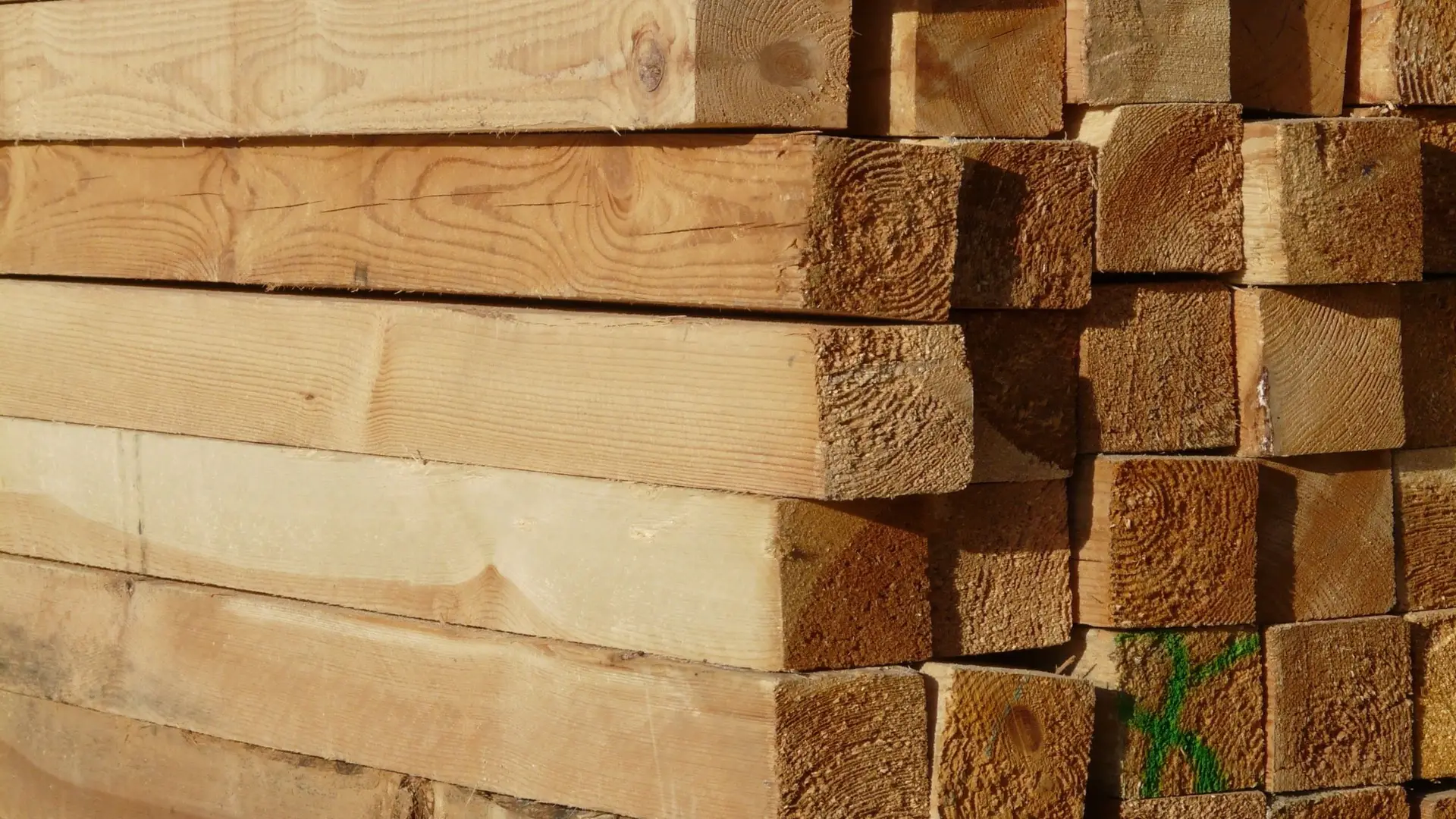
When lumber has been left in the rain or humidity, dry it out first. Dry the wood in a well-ventilated covered location. Keep it airy on all sides, and when storing wet lumber, do not stack it directly on the ground.
In the case of enclosed areas, use fans or a dehumidifier to accelerate the drying process.
Inspect the Damage
Examine it to see any signs of swelling, warping, or mold. When the lumber is partially wet and without any damage, it can still be utilized after drying. It should be replaced if it is badly warped or rotting, and it is no longer fit for construction.
Avoid Tapping Moisture
Always avoid painting, staining, or sealing wet lumber. This would keep the moisture in the wood, which may cause it to rot on the inner side.
How To Prevent Lumber from Getting Wet
Lumber Storage
You should store the lumber in an enclosed dry area free of frost (without covering) and but ideally on spacers above the ground to allow airflow. Lumber may be tarped, but must not be air-tight-enough enough ventilation to dissipate moisture.
Use Treated Wood in Outdoor Use
When working on decks, fences, or landscaping, be sure to use pressure-treated boards that are made to be moisture resistant.
Seal And Other Finishes
When the dried lumber is installed, apply a suitable sealant or paint to assist it to withstand exposure to water in the future.
How Wet is Too Wet?
Wood moisture is expressed as a percentage. It is quite simple. Here is a general guideline:
- Less than 15%: It is safe to use it indoors.
- 16%-19%: Framing in construction ais is acceptable in limited areas.
- More than 20%: Too wet to be used in most construction jobs. Let it dry out.
You can also test your lumber to ascertain its readiness with the help of a moisture meter.
Conclusion
But can lumber be wet? Sure, it can–but the real question is what you do with it afterward. Some rain will not necessarily damage your wood, particularly when it is pressure-treated or dried rapidly and stored properly. But when lumber maintains a wet condition over a long period of time, real problems such as warping, rot, and structural failures can occur.
If you have a lot of wood so that it can be used when the project is complete, or you experience the sudden fall of rain when you are constructing a building, you had better know how to deal with wet lumber to save your materials, money, and time. Learning about moisture contents, effective drying strategies, and intelligent storage will help you keep your wood usable and safe for any purpose.
FAQs
Can I Build With Wet Lumber?
It depends. It is normal to build using slightly damp framing lumber; however, making finishing cuts or sealing should be postponed until it is dry. It is advisable not to use wet wood in furniture or fine carpentry as it is likely to warp.
How Long Does It Take For Wet Lumber To Dry?
Depending on the type of wood, its thickness, and the conditions under which it is dried, it may take a few days or several weeks. The process will be accelerated by good airflow and dry weather.
Related Posts
© 2025 Invastor. All Rights Reserved
User Comments