
Ai Content Generator
Ai Picture
Tell Your Story

 Eliana Martiin
How Do Hydraulic Tipper Trailers Work?
Hydraulic tipper trailers have become an essential tool across industries such as construction, landscaping, farming, and waste management. Their ability to unload heavy materials efficiently and safely makes them a staple for transporting bulk loads. But how exactly do hydraulic tipper trailers work? Let’s explore the mechanism behind these powerful trailers and understand why they are so effective.
What Is a Hydraulic Tipper Trailer?
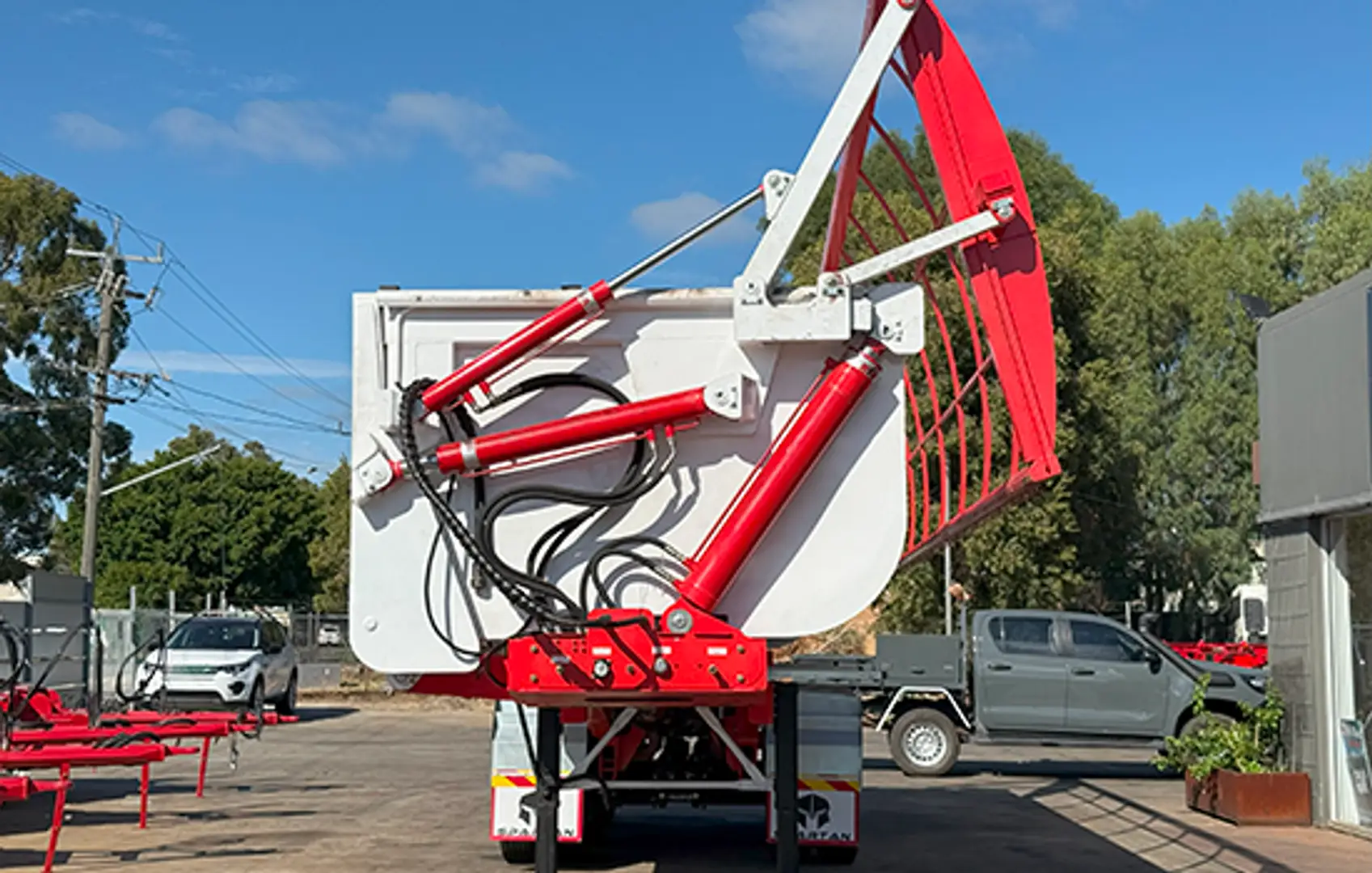
A hydraulic tipper trailer, often simply referred to as a tipper or dump trailer, is a type of trailer designed to transport and unload heavy or loose materials like gravel, sand, soil, debris, and agricultural produce. The key feature that distinguishes tipper trailers from standard trailers is the hydraulic tipping system that lifts the trailer bed to unload the cargo.
The Core Components of a Hydraulic Tipper Trailer
1. Hydraulic System
At the heart of the tipper trailer is the hydraulic system. This system uses pressurized hydraulic fluid to lift the trailer bed. It includes:
Hydraulic Cylinder(s): These are the pistons responsible for lifting the trailer bed.
Hydraulic Pump: This pump creates the pressure needed to move the fluid and extend the cylinders.
Hydraulic Fluid Reservoir: This stores the fluid used in the hydraulic system.
Control Valve or Remote: Operators use this to control the flow of fluid and raise or lower the trailer.
2 .Tipping Mechanism
Most tipper trailers are equipped with either a single-acting or double-acting cylinder.
Single-acting cylinders push the trailer bed up using hydraulic pressure, and gravity brings it down.
Double-acting cylinders use hydraulic pressure both to lift and lower the bed, offering more control, especially for precise unloading.
3.Trailer Bed
This is the flat platform where materials are loaded. The bed is attached to the frame using a hinge at one end, allowing it to tilt upward when the hydraulic system is engaged.
4. Chassis and Frame
The strong steel chassis supports the bed and houses the hydraulic system. It must be durable and well-balanced to handle uneven loads and rough terrains.
5 .Battery or Power Source
Most hydraulic systems are powered by an electric motor and battery system, typically a 12V or 24V battery, depending on the trailer size and application.
How the Hydraulic Tipping Process Works
Loading the Trailer
Materials are loaded onto the trailer using machinery such as a skid steer, excavator, or manually in smaller setups. The trailer is kept in a level position to ensure proper weight distribution.
Engaging the Hydraulic System
Once at the unloading site, the operator engages the hydraulic system using a remote control or in-cab switch. The hydraulic pump activates and pressurizes the fluid, sending it to the cylinder.
Lifting the Bed
The pressurized hydraulic fluid forces the cylinder to extend, lifting the front end of the trailer bed. As the bed rises, gravity causes the materials to slide off the back of the trailer.
Controlling the Tilt
Depending on the system (single or double-acting), the operator may control the speed and angle of the tilt. Safety features such as limit switches may prevent over-tilting.
Lowering the Bed
Once the load has been released, the operator reverses the hydraulic flow or simply stops pumping (in single-acting systems), allowing the bed to return to its resting position.
Types of Hydraulic Tipper Trailers
Rear Tipper Trailers: The most common type, where the bed lifts from the front to unload from the rear.
Side Tipper Trailers: These allow unloading to the side, ideal for areas with limited overhead clearance.
Three-Way Tippers: These versatile trailers can tilt in three directions—rear, left, or right, making them extremely adaptable.
Advantages of Hydraulic Tipper Trailers
Efficiency: Drastically reduces the time and labor required for unloading.
Safety: Minimizes manual handling of heavy materials.
Versatility: Suitable for multiple industries and types of loads.
Precision: Controlled unloading allows for accurate placement of materials.
Cost-Effectiveness: Though more expensive initially, the time savings and productivity benefits often result in long-term cost efficiency.
Maintenance and Safety Tips
Regularly Check Fluid Levels: Ensure the hydraulic fluid is clean and filled to the proper level.
Inspect for Leaks: Any sign of leaking fluid can indicate a problem that needs immediate attention.
Battery Maintenance: Ensure the power source is charged and in good condition.
Routine Inspections: Examine the cylinder, hinges, and frame for wear and tear.
Never Overload: Follow the trailer’s rated capacity to avoid structural or mechanical failure.
Unload on Level Ground: To prevent tipping or unintentional movement.
Conclusion
Hydraulic tipper trailers are powerful tools engineered to make material handling safer and more efficient. Their hydraulic lifting system, combined with strong structural design, allows for easy unloading of even the heaviest loads. Whether you’re in construction, agriculture, or waste management, understanding how these trailers work helps you operate them safely and maintain them properly.
By investing in a quality hydraulic tipper trailer and following best practices for use and maintenance, you can streamline operations, save labor costs, and enhance productivity on any job site.
Related Posts
© 2025 Invastor. All Rights Reserved
User Comments