
Ai Content Generator
Ai Picture
Tell Your Story


 Inverter Generator
The Power of Inverter Generators: A Comprehensive Guide
In today’s world, where reliable electricity is essential for both daily life and emergencies, owning an inverter generator provides invaluable peace of mind. Inverter generators are a popular choice for providing power during outages, camping trips, or other situations where a stable and efficient power source is needed. This article will delve into the workings of inverter generators, how to install and use them, and the benefits they offer.
How Inverter Generators Work
Traditional generators convert mechanical energy into electrical energy, producing direct current (DC) power. An inverter generator takes this a step further by converting the DC power into alternating current (AC) power, which is suitable for powering most household appliances and electronic devices. This conversion process ensures that the output power is stable and within the acceptable range for sensitive electronics.
Benefits of Inverter Generators
Inverter generators offer several advantages over conventional generators:
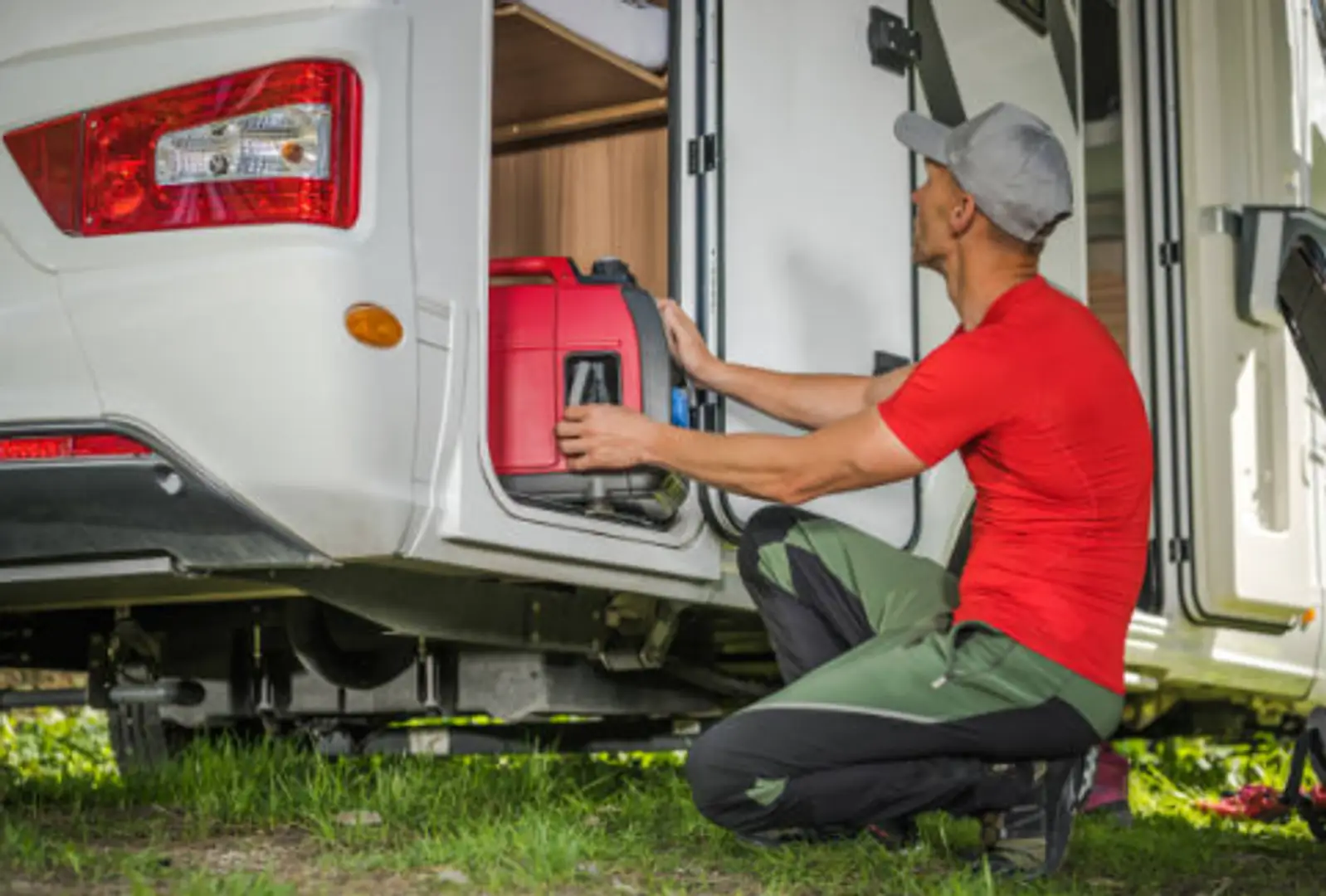
- Quieter Operation: Inverter generators are significantly quieter, making them suitable for camping or residential use.
- Fuel Efficiency: They use less fuel and produce lower emissions, which is beneficial for the environment.
- Clean Power: Inverter generators provide a cleaner power output, which is crucial for sensitive electronic devices.
- Portability: Many inverter generators are compact and lightweight, making them easy to transport.
Installing an Inverter Generator
Preparation
Before installing your inverter generator, ensure you have the necessary tools and materials. These may include a multimeter, crimping pliers, insulating tape, and appropriate cables. Additionally, carefully read the user manual to understand the specific requirements and safety precautions for your model.
Installation Steps
- Choose a Location: Place the inverter generator in a well-ventilated, dry area, away from flammable materials. Ensure there is enough space around the equipment for heat dissipation.
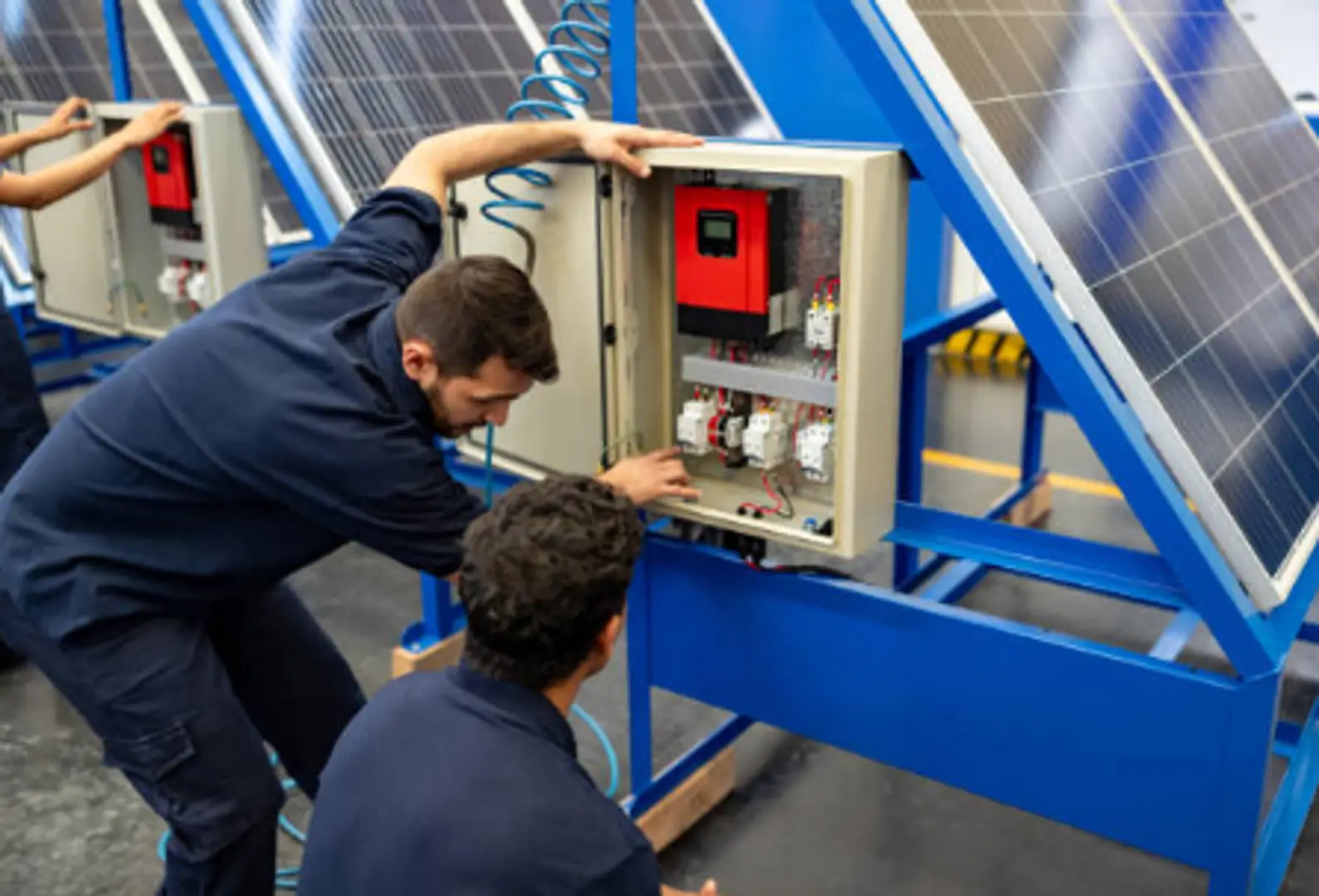
- Mount the Inverter: Securely mount the inverter in a suitable location near the generator. Ensure it is protected from environmental factors such as moisture and heat.
- Connect the Cables: Connect the DC input terminals of the inverter to the DC output terminals of the generator using appropriate cables and connectors. Follow the manufacturer’s instructions for proper wiring.
- Connect the Load: Connect the AC output terminals of the inverter to the electrical load you want to power using standard AC power cords.
- Test the Setup: Before powering on the generator, double-check all connections to ensure they are secure and properly insulated. Start the generator and verify that the inverter is functioning correctly by checking the output voltage and frequency.
Using an Inverter Generator
Preparation
Check the Equipment: Ensure the inverter generator is in good working condition, with no damaged or loose parts. Check the fuel level and battery charge.
Read the Instructions: Familiarize yourself with the operating instructions and safety precautions.
Starting the Generator
- Turn on the Power: Ensure the inverter generator is connected to the power supply and is in the normal standby state.
- Start the Generator: Follow the manual’s instructions to start the generator, usually by pressing the start button or pulling the start rope.
- Connecting the Load
- Confirm the Load: Ensure the connected load is within the rated power range of the inverter generator to avoid overloading.
- Select the Socket: Choose the appropriate AC output socket on the inverter generator.
- Connect the Load: Use the correct power cord to connect the load to the inverter generator, ensuring a secure connection.
Monitoring and Maintenance
- Observe the Operation: Regularly monitor the generator for any abnormal conditions such as unusual noise or flashing indicator lights.
- Monitor the Load: Ensure the connected load does not exceed the generator’s rated power.
- Clean the Equipment: Regularly clean the inverter generator to remove dust and dirt, and ensure proper ventilation.
- Check Connections: Regularly inspect the connections of wires and sockets to ensure they are firm and reliable.
- Replace Parts: Replace any damaged or failed parts promptly to ensure the normal operation of the equipment.
Safety Tips
- Placement: Always place the inverter generator outdoors, at least 20 feet away from your home, with the exhaust port pointing away from any dwelling.
- Carbon Monoxide: Ensure your generator has a CO safety sensor to prevent carbon monoxide poisoning.
- Electrical Safety: Do not place the generator in a humid or flammable environment to avoid dangerous situations such as electric shock or fire.
Conclusion
Inverter generators are a reliable and efficient solution for providing power in various situations. By following the proper installation and usage guidelines, you can ensure the safe and effective operation of your inverter generator. Whether you are preparing for a power outage or planning a camping trip, an inverter generator can provide the stable and clean power you need.
Related Posts
© 2025 Invastor. All Rights Reserved
User Comments