
Ai Content Generator
Ai Picture
Tell Your Story

 Tannu Saini
The Truth About Click Fraud: It’s Worse Than You Think
You’ve launched a high-budget ad campaign, traffic is pouring in, but conversions are nowhere near expectations. What went wrong?
For many advertisers, the answer is an invisible enemy: click fraud or click spamming, or a combination of both.
Globally, losses to ad fraud are projected to exceed $170 billion annually by 2028, with a significant portion driven by fake clicks and sophisticated click bots. These numbers clearly show that click fraud is a growing menace.
The worst part is, the damage from click fraud goes well beyond wasted ad spend. Fake clicks and click bots distort analytics, making it difficult to measure true campaign effectiveness and optimize future strategies.
That was the bad news. The good news is, advertisers are not powerless in the face of this threat. In this blog, we’ll explore what click spamming is, how it works, its impact on businesses, and practical steps you can take to protect your ad investments.
What Is Click Spam?
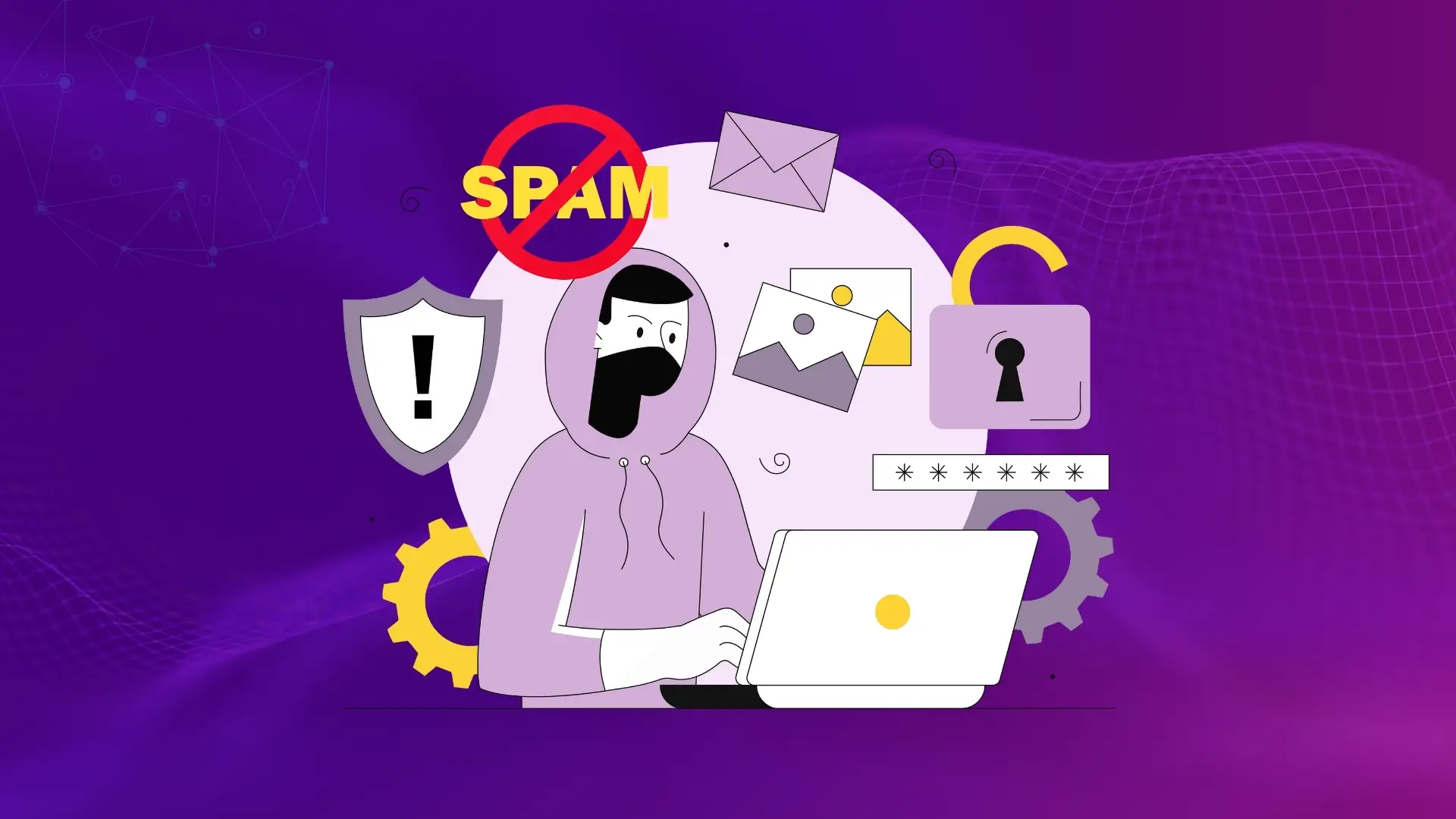
Click spam is a form of click fraud where fraudsters or automated bots, also known as click bots, generate fraudulent clicks on ads, draining your advertising budget without any real user intent or engagement. Depending on the types of click spamming techniques used by the scammers, click spamming can be basic or highly sophisticated.
Some of the most common techniques include:
- Malware-Driven Clicks: Fraudsters use malicious apps or software that run in the background on a user’s device, generating clicks without the user’s knowledge.
- Click Injection: This advanced method involves malware that detects when a user is about to install an app and injects a fake click at the last moment, claiming credit for the install.
- Emulator-Based Attacks: As the name suggests, this technique employs the use of device emulators to mimic real user behaviour and generate fake clicks. This is one of the most difficult-to-detect forms of click spamming.
Also note, the eCommerce sector is one of the worst hit sectors in terms of total monetary losses from click fraud.
How Click Spamming Works: Breaking Down the Process
Click spamming is a highly automated process where malicious actors use advanced tools and networks of bots, often called botnets, to generate fraudulent clicks on digital ads. Here’s a more detailed look at some of the processes employed by the fraudsters:
- Deployment of Automated Tools: Fraudsters use AI-powered bots and automated scripts to mimic human behavior. These bots can simulate mouse movements, scroll through pages, and click on ads at random intervals, just like human users.
- Botnets and Click Farms: Large-scale botnets and click farms can generate millions of fake clicks in a short time. These networks often use rotating proxies and VPNs to make the clicks appear as if they are coming from different locations and devices.
- Background Activity: As mentioned in the previous section, sometimes, users unknowingly download apps infected with malware. These apps run silently in the background, generating clicks on ads without the user’s knowledge or consent.
- Attribution Manipulation: By flooding ad networks with fake clicks, fraudsters aim to claim credit for conversions or installs that would have happened organically. This type of click fraud is especially common in mobile app and affiliate marketing campaigns, where the last click often gets the credit for a conversion.
The Impact Click Spam Can Have on Your Business
Click spam is more than just wasted budgets. The damage runs deep and the impact click spam can have on your business health and advertising efforts is long lasting. Consider these pressing effects of click spamming:
- Budget Drain: Every fake click generated by click bots or fraudulent actors directly eats into your advertising budget. These clicks do not represent real interest or potential customers, meaning you pay for traffic that will never convert. In 2024 alone, advertisers and brands were projected to lose as much as $71 billion globally due to their inability to detect click fraud.
- Skewed Analytics: Click spamming distorts the data you rely on to measure campaign success. Fake clicks inflate key metrics like click-through rate (CTR), making it difficult to assess what’s truly working. This can lead to misguided decisions, such as reallocating budgets to underperforming campaigns or pausing effective ads based on misleading data.
- ROAS and Performance Drop: Misleading attribution caused by click fraud can significantly lower your return on ad spend (ROAS) and overall campaign effectiveness in the long run. Your conversion rate drops, your acquisition costs rise, and you are fed bad data that further muddles your optimisation decisions.
- Reputation Risk: High levels of invalid activity can trigger automated quality control systems on advertising platforms. This can potentially lead to account suspensions or revenue clawbacks.
How to Detect and Prevent Click Fraud
As mentioned in the beginning, advertisers aren’t powerless against click fraud. Even those operating small campaigns can use their data to check for signs that reflect authentic user engagement or bot activity.
Here’s what you should look out for:
- Unusual CTR Spikes: A sudden spike in CTR without a matching increase in conversions is a strong warning sign. This often means bots or click farms are targeting your ads with fraudulent clicks.
- High Bounce Rates: If visitors click your ad but immediately leave your site, this could indicate bot activity. Comparing bounce rates between paid and organic traffic can help spot anomalies.
- Repeated IP Addresses: Multiple clicks from the same IP address or a cluster of similar addresses suggest non-human activity or a coordinated attack.
- Unusually Low Conversions: High click numbers with little to no conversions often signal click fraud.
- Geographic Anomalies: Clicks coming from regions outside your target market are often a sign of click fraud.
While these methods may help you uncover a part of the problem, manual detection often isn’t enough against the sheer volume at which the fraudsters operate. One man or even a team responsible for manually overseeing campaign data for anomalies can never compare against the army of bots and click farm users that work for the fraudsters. This is where fraud detection systems become relevant.
Ad fraud detection systems, also known as fraud detection software, like Valid8 by mFilterIt, use advanced analytics and machine learning to monitor click patterns, verify IP addresses, and analyze user behavior in real time. These systems can identify suspicious activity in real time and prevent click fraud before it can cause any significant damage.
The Role of Click Fraud Protection Software
Click fraud protection software is essential for advertisers who want to safeguard their budgets and ensure accurate campaign analytics. These solutions are designed to detect, block, and analyze fraudulent clicks in real time, going far beyond simple IP blocking.
That said, the tool you choose is only as good as the features it offers. Some of the features you should look out for are:
- Proactive Monitoring: Proactive validation of all ad clicks, allowing immediate detection and response to suspicious activity.
- IP Blacklisting: The ability to block or exclude traffic from known malicious IP addresses or repeated offenders.
- Device Fingerprinting: Advanced tools, like Valid8 by mFilterIt, create unique profiles for devices interacting with ads, making it easier to spot and block bots or emulators that try to mimic genuine user behavior.
- AI-Based Pattern Recognition: Machine learning algorithms are used to analyze click patterns, user behavior, and traffic sources to identify anomalies that signal click fraud.
Final Thoughts: Don’t Let Bots Win
Click fraud is a silent but costly threat that can undermine your advertising efforts and drain your marketing budget. As click bots and fraudulent tactics become more sophisticated, relying on basic monitoring is no longer enough. Proactive protection is the only way to ensure that your ad spend reaches real people and delivers genuine results.
Ready to safeguard your campaigns? Explore advanced solutions, request an audit, or connect with an ad fraud expert to discuss how you can prevent click fraud and keep your marketing efforts on track. Take action today and make sure your budget works for you, not for the bots.
Related Posts
© 2025 Invastor. All Rights Reserved
User Comments
Shivani Salaria
5 months ago
It's not just a minor annoyance; click fraud is a significant threat that can inflate your costs, waste valuable resources, and provide a misleading picture of your marketing's effectiveness. Understanding its pervasive nature is the first step in protecting your campaigns and ensuring your ad spend delivers genuine results.