
Ai Content Generator
Ai Picture
Tell Your Story

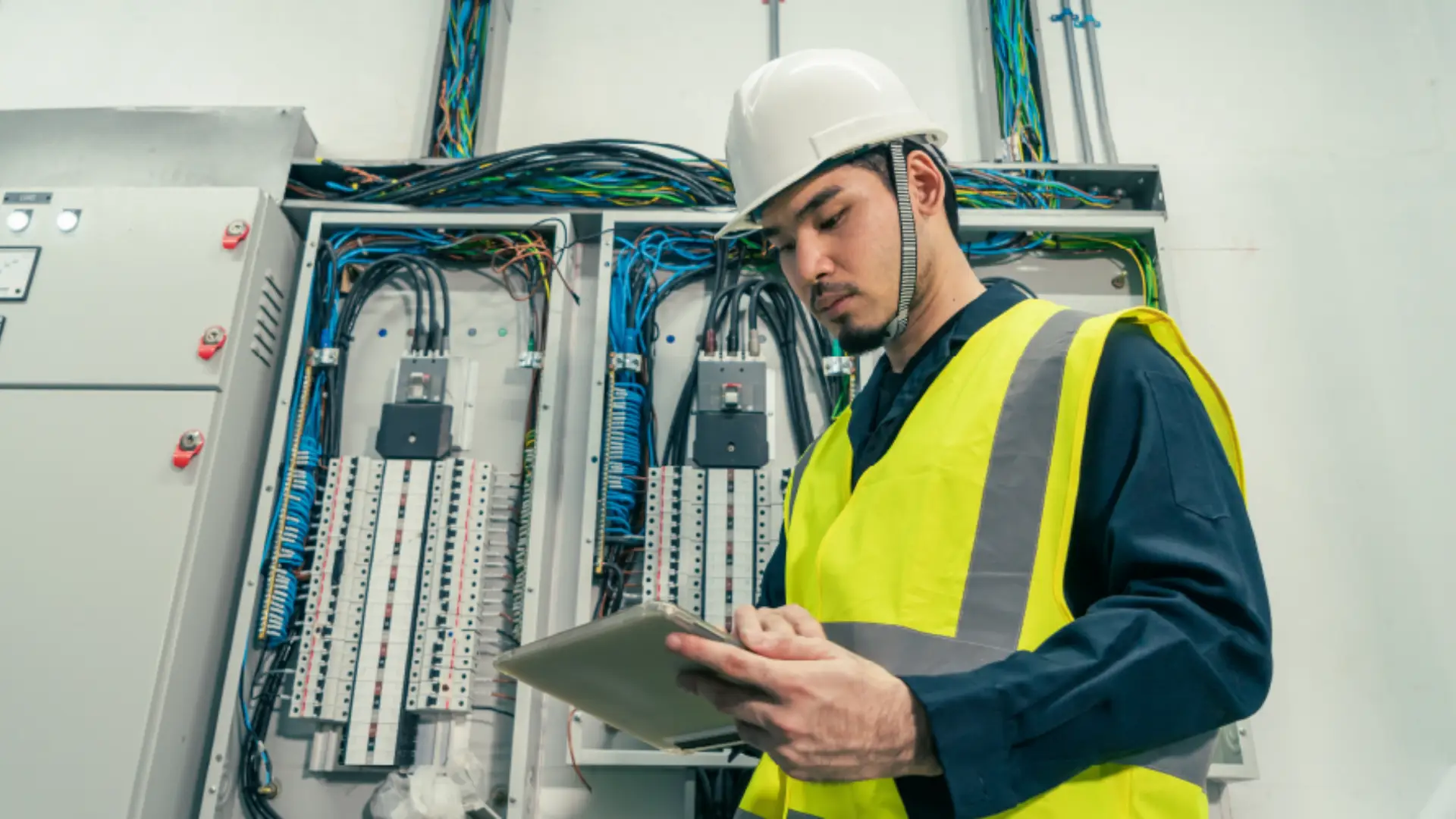
 Devin Rio
How to Become an Electrical Estimator
An electrical estimator is someone who works with electrical plans. They study the project and work out how much money, time, and materials are needed to finish the job. They help building companies, engineers, and clients understand the cost of electrical work before the job starts.
Becoming an electrical estimator is not too hard if someone is willing to work hard and learn step by step. It takes time, patience, and focus. Many people start as electricians or in other trade jobs. Later, they move into estimating because they enjoy planning and numbers more than working with wires.
In this article, you will learn what an electrical estimator does, how to become one, what skills are needed, and how to get started in this career. This job is also a big part of quantity surveying services, which means keeping track of money and materials during a building project.
What Does an Electrical Estimator Do?
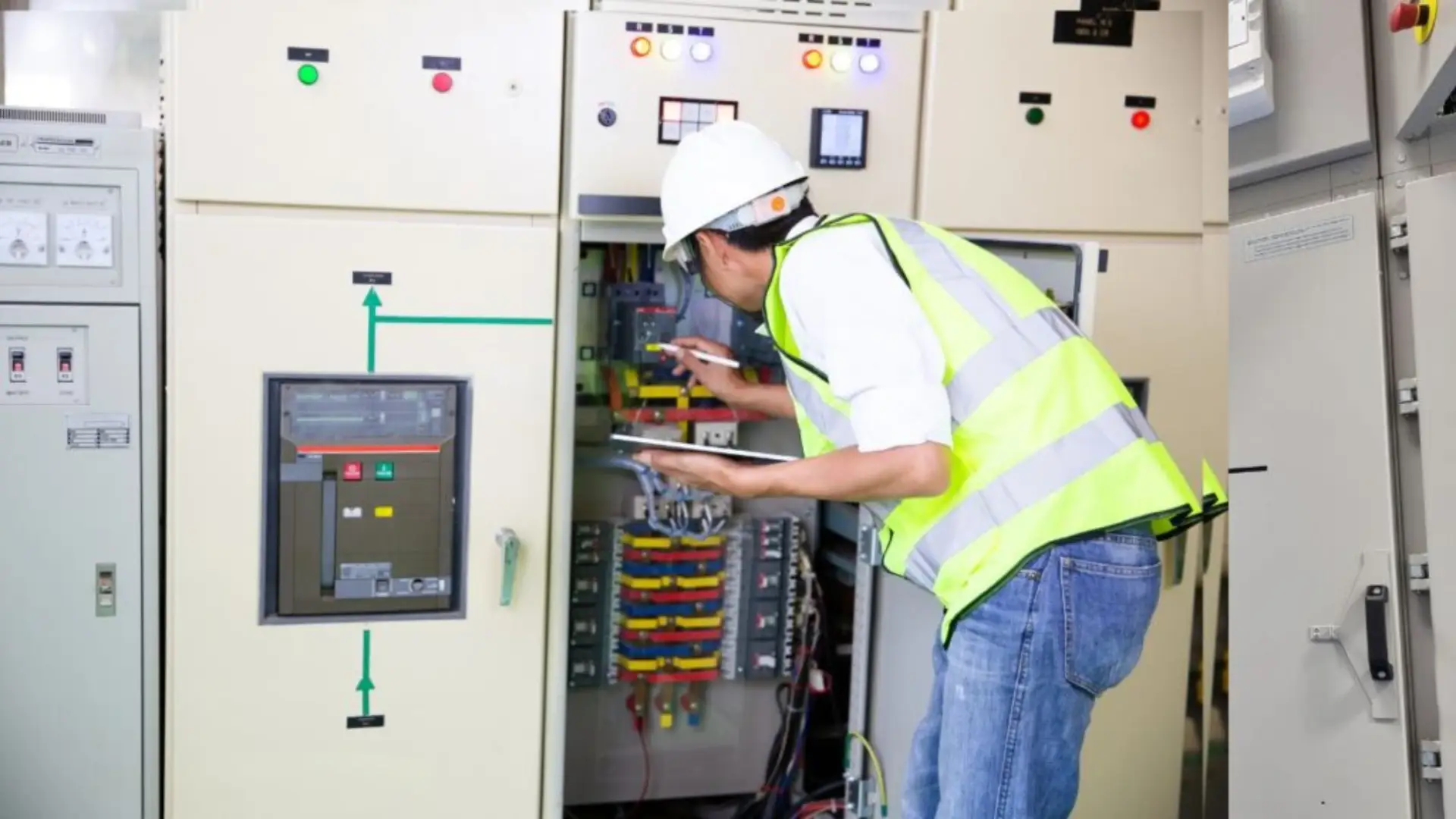
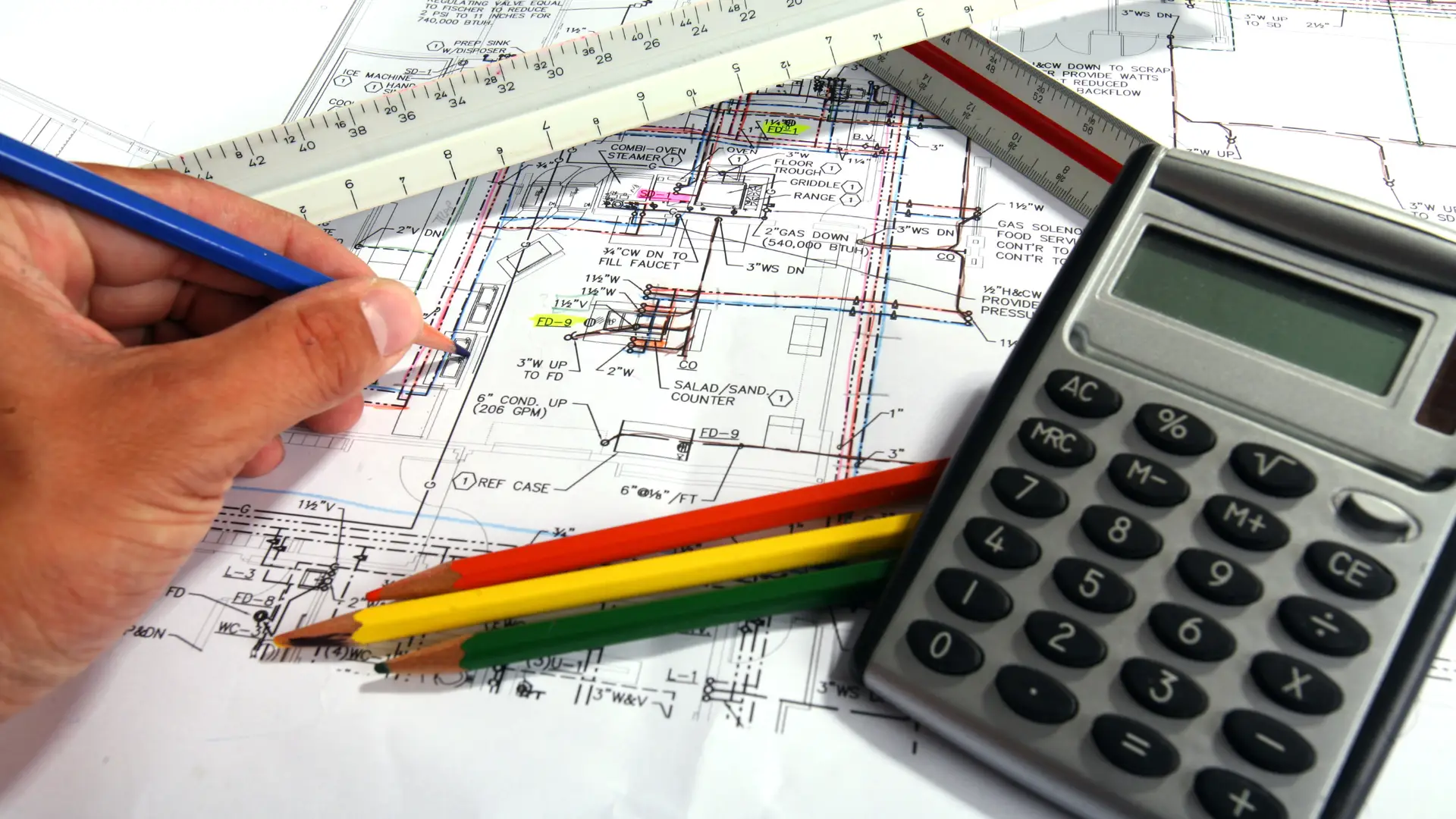
An electrical estimator reads blueprints and project plans. These show where the wires, plugs, lights, and panels need to go. The estimator looks at everything the project needs and makes a list of parts, tools, and labour.
Then, the estimator works out how much it will all cost. This helps builders and clients understand the price of the job before it begins. It also helps make sure that the company does not lose money.
Some daily jobs of an electrical estimator include:
- Studying building plans
- Listing all materials needed
- Finding out how many hours of labour are required
- Talking with suppliers to check prices
- Writing full cost reports
- Helping managers decide if the project is good for business
Electrical estimators also work closely with project managers, electricians, and other builders.
What Skills Are Needed?
Electrical estimators must be good at several things. They should be able to:
- Read building plans clearly
- Understand how electrical systems work
- Use maths to add up prices and times
- Pay attention to small details
- Work well with others
- Use computers and special software
- Keep good records and reports
If someone is already an electrician, they will know most of the electrical parts. They may only need to learn estimating and office work People who enjoy maths, planning, and solving problems often do well in this job.
What Education Is Needed?
There is no single path to becoming an electrical estimator. Some people start as electricians. Others may study construction, maths, or engineering.
Here are some good ways to begin:
Finish High School
The first step is to complete high school. Subjects like maths, science, and computer studies help prepare for this work. Reading and writing skills are also important.
Become an Electrician (Optional but Helpful)
Many estimators start their careers as electricians. This gives them hands-on experience with electrical systems. They learn how wires, circuits, and panels work. Becoming an electrician may take around four years with an apprenticeship. It helps build a strong base of knowledge.
Take Estimating Courses
There are short courses for electrical estimating. These can be found online or at colleges. They teach:
- How to read electrical drawings
- How to use estimating software
- How to work out costs and materials
- How to write cost reports
Some courses are just a few weeks long. Others are part of a college diploma.
Get Work Experience
Experience is key in this job. Someone who works with a senior estimator or in a construction office will learn fast. They will understand how jobs are planned, quoted, and priced. Many companies are happy to train junior estimators if they show interest and focus.
What Software Do Electrical Estimators Use?

Today, most electrical estimators use computers. There are special programs that help with cost reports and material lists. Some common software includes:
- Microsoft Excel
- Accubid
- Trimble
- Bluebeam
- PlanSwift
- ConEst
These tools help estimators keep work organized and save time. They also help with updates when project plans change.
What Is a Typical Day Like?
A day in the life of an electrical estimator is often spent in an office. They start by checking emails and updates from suppliers. Then, they open building plans on the computer. They study these plans and list every item needed for the job. This includes wires, switches, lights, control panels, and more.
Then, they look at how many workers are needed and how long the job will take. Next, they speak to suppliers or check online prices. They add everything together and write a report for the manager or client. Sometimes they join meetings to explain the cost. Other times, they may visit the building site to check the work.
How Much Money Do They Make?
The salary of an electrical estimator depends on experience, location, and the size of the company. Beginners earn less, while experienced estimators earn more. In the United Kingdom, a junior electrical estimator may earn around £25,000 to £35,000 each year. An experienced estimator may earn £40,000 to £60,000 or more. Those working on large projects or in big cities may earn even higher pay.
What Are the Pros and Cons?
Like every job, this one has good sides and hard parts.
Pros:
- Good pay after gaining experience
- Office work, not heavy lifting
- Job is always needed in construction
- Can move up to senior roles or manager
- Uses both hands-on knowledge and planning
Cons:
- Long hours during busy times
- Pressure to get costs right
- Must keep learning new systems
- Some projects may be stressful
If someone likes numbers, planning, and being part of a building team, this job is a good fit.
Tips to Start Your Career
Here are some tips to help start your journey as an electrical estimator:
- Talk to local electricians or building companies
- Ask if they need help with estimating jobs
- Join free or low-cost online courses
- Practise reading electrical drawings
- Try using software like EXcel or Bluebeam
- Read building blogs and watch YouTube lessons
- Be open to starting small and learning step by step
Experience builds slowly, but each job helps you learn more.
What Is the Future of Electrical Estimators?

The building world is always growing. Houses, offices, factories, and stores all need electricity. This means electrical estimators will always be needed. Also, with new green energy systems like solar panels and electric car chargers, there is even more work for smart electrical estimators. More jobs are coming for people who are ready to learn. Those who use software and stay updated will do very well.
Final Thoughts
Becoming an electrical estimator is a smart choice for people who enjoy planning, numbers, and working with teams. It mixes hands-on learning with office work. You do not need to be the best electrician or engineer. You need to be care and organized, and ready to learn every day. Start small, stay focused, and grow step by step. There is space for both beginners and experts in this field. If someone is ready to work hard and learn, this job offers good pay, steady work, and a future full of project.
FAQs
What Does An Electrical Estimator Do Every Day?
An electrical estimator studies plans, lists materials, finds prices, and writes cost reports for electrical jobs.
Is It Needed To Be An Electrician First?
No, but it helps a lot. Electricians already know how systems work, so learning to estimate is easier.
How Long Does It Take To Become An Electrical Estimator
It may take a few months to a few years, depending on your starting point and how much experience you already have.
Related Posts
© 2025 Invastor. All Rights Reserved
User Comments