
Ai Content Generator
Ai Picture
Tell Your Story

 azee med121
Precision in Reconstruction: The Dermatome Instrument for Skin Grafting and the Role of Vessel Dilators
In the intricate field of reconstructive surgery, restoring damaged tissue is a paramount goal. Among the most vital tools in achieving this is the dermatome instrument, a specialized device used for harvesting skin grafts. The precision offered by a dermatome is critical for successful skin transplantation, enabling surgeons to repair defects caused by burns, trauma, or disease. While the dermatome focuses on the skin itself, other specialized tools, such as vessel dilators, play an equally crucial role in ensuring the viability of the graft and the success of complex reconstructive procedures, particularly in microvascular surgery.
The Dermatome Instrument: A Revolution in Skin Grafting
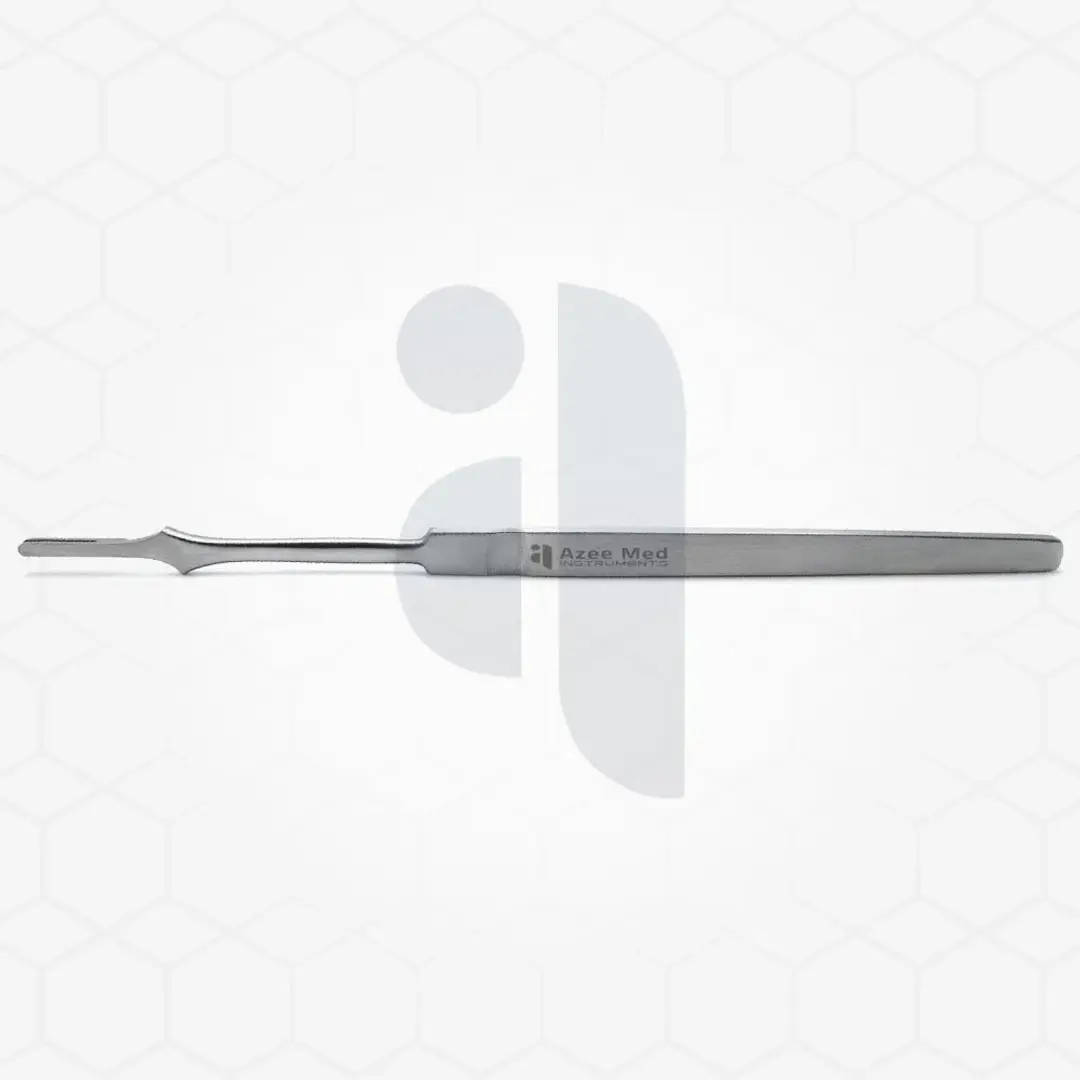
A dermatome instrument is a highly specialized surgical device designed to harvest thin, uniform slices of skin from a donor site, to be transferred to a recipient site as a skin graft. Before the advent of modern dermatomes, skin grafts were often harvested freehand, leading to inconsistent thickness and less predictable outcomes. Modern dermatomes, available in manual, electric, and air-powered versions, allow for precise control over the thickness and width of the harvested graft, which is crucial for optimal take and aesthetic results. The blade of a dermatome instrument oscillates rapidly, creating a smooth and even cut, minimizing trauma to the donor site and maximizing the viability of the graft. This precision is fundamental to successful skin grafting, a procedure that can drastically improve the quality of life for patients with extensive skin loss.
Skin Grafting: A Cornerstone of Reconstructive Surgery
Skin graft procedures are indispensable in reconstructive surgery for treating a wide array of conditions. Full-thickness skin grafts, involving the epidermis and the entire dermis, are typically used for smaller, cosmetically sensitive areas. Partial-thickness or split-thickness skin grafts, harvested with a dermatome instrument, include the epidermis and a portion of the dermis. These are more commonly used for larger areas, such as extensive burns or large traumatic wounds, due to their ability to cover larger surface areas and their better survival rates. The successful “take” of a skin graft depends on several factors, including proper preparation of the recipient bed, immobilization, and, crucially, a healthy blood supply to the transplanted tissue. The precise and uniform graft harvested by a dermatome instrument significantly enhances the likelihood of graft survival and integration.
The Microscopic Precision of Vessel Dilators
While the dermatome instrument addresses the harvesting of the skin, the success of complex reconstructive procedures, particularly those involving free tissue transfer (where tissue with its own blood supply is moved from one part of the body to another), often hinges on the patency of tiny blood vessels. This is where vessel dilators come into play. These delicate microsurgical instruments are specifically designed to gently enlarge the lumen (the inner space) of small arteries and veins during microvascular anastomosis. Their smooth, tapered tips allow surgeons to carefully stretch the vessel walls, preparing them for the meticulous suturing required to re-establish blood flow. The use of vessel dilators minimizes intimal damage (damage to the inner lining of the vessel), which is critical for preventing thrombosis (blood clot formation) and ensuring the long-term patency of the newly connected vessels.
Interconnected Tools for Comprehensive Reconstruction
The interplay between instruments like the dermatome instrument and vessel dilators highlights the multi-faceted nature of reconstructive surgery. The dermatome instrument provides the essential tissue for transplantation, ensuring that the skin graft is of optimal quality for survival. Simultaneously, in complex cases requiring microvascular techniques, vessel dilators ensure that the delicate blood vessels are prepared to re-establish circulation, directly impacting the viability of the transferred tissue. Both instruments, though serving different roles, contribute to the overarching goal of restoring function and form. The continuous innovation in these specialized tools empowers surgeons to achieve remarkable outcomes, transforming the lives of patients facing severe tissue loss or disfigurement.
Related Posts
© 2025 Invastor. All Rights Reserved
User Comments