
Ai Content Generator
Ai Picture
Tell Your Story

 Ethan dante
What Is SEO Marketing? A Simple Guide for Beginners
Are you new to digital marketing? Have you heard about SEO but don’t understand what it really means? Don’t worry — this beginner-friendly guide will explain everything about SEO marketing in very simple words.
By the end of this blog, you’ll know:
- What SEO marketing is
- Why it’s important
- How it works
- Basic tips to get started
Let’s dive in!
Understanding SEO Marketing
What Does SEO Mean?
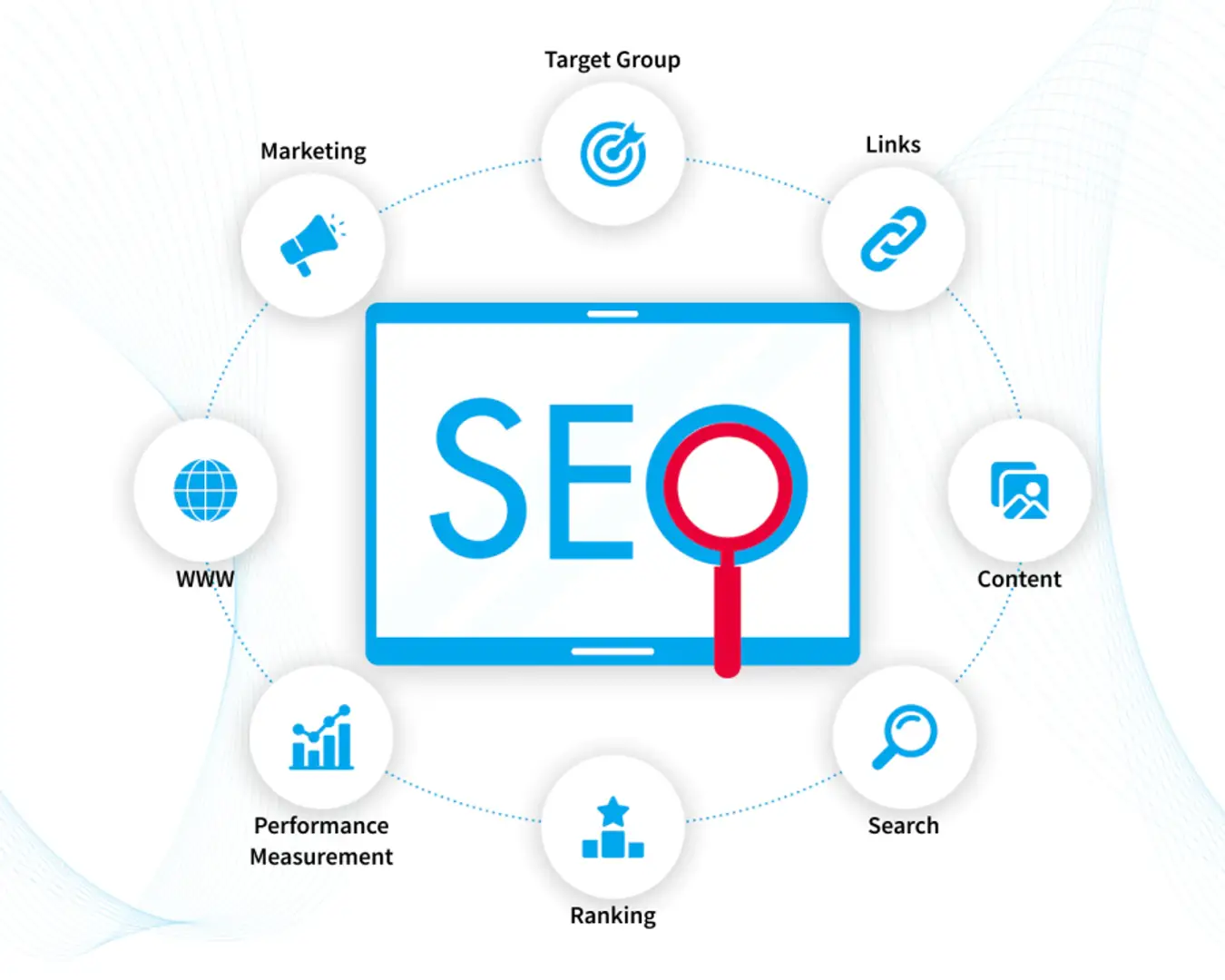
SEO stands for Search Engine Optimization. It is a process used to improve your website’s visibility in search engines like Google, Bing, and Yahoo. When someone searches for something online (like “best shoes for running”), SEO helps your website appear in the search results.
The better your SEO, the higher your website appears in the list. And the higher you rank, the more people will click and visit your site.
What Is SEO Marketing?
SEO marketing is a digital marketing strategy that focuses on getting free (organic) traffic from search engines.
Instead of paying money for ads, SEO helps you rank naturally by using keywords, writing helpful content, building trust, and improving your website. When done well, SEO marketing can bring hundreds or even thousands of visitors to your website every day—without spending money on ads!
Why SEO Matters in Digital Marketing
Importance of Organic Traffic
Organic traffic means the people who find your website through search engines without clicking on paid ads. It is one of the most valuable kinds of traffic because:
- It is free
- It brings people who are already interested in your topic
- It continues to grow over time if your SEO is strong
Paid ads stop working when your budget runs out. But with SEO, your website can continue getting traffic for months or years.
SEO Builds Trust and Credibility
Websites that rank high on Google are seen as trustworthy and authoritative. People believe that if Google shows your website on page 1, then your content must be good.
This trust helps build your brand and increases the chance of people buying your product, signing up for your email list, or reading more of your blog posts.
Key Components of SEO Marketing
SEO has several parts. Let’s break them down in simple terms.
1. On-Page SEO
This is everything you do on your own website to help it rank better.
Key On-Page SEO elements include:
- Using the right keywords in your content
- Writing unique meta titles and descriptions
- Making sure your URLs are clean (like yourwebsite.com/best-shoes)
- Using headings (H1, H2, H3)
- Adding image alt text (text that describes images for Google)
2. Off-Page SEO
This is about what happens outside your website that affects your ranking.
The main focus of off-page SEO is link building—getting other websites to link back to yours.
Ways to build links:
- Write guest posts for other blogs
- Share your content on social media
- Build relationships with other bloggers
3. Technical SEO
This makes sure that Google can access, crawl, and index your website easily.
Key technical SEO factors:
- Site speed – Your website should load fast
- Mobile-friendly – Your site must work well on phones and tablets
- Secure website – Use HTTPS (a padlock icon appears in the address bar)
- Fixing broken links and errors
4. Content SEO
Content is the heart of SEO.
You need to:
- Write valuable and helpful content
- Use the right keywords
- Match the search intent (what the person is looking for)
- Update your content often
Examples of content:
- Blog posts
- Videos
- How-to guides
- Product reviews
How SEO Marketing Works (Step-by-Step)
Let’s look at how you can start using SEO marketing.
Step 1: Keyword Research
Before writing anything, find out what people are searching for.
Tools like:
- Google Keyword Planner
- Ubersuggest
- Answer the Public
These tools show you:
- How many people search for a keyword
- How difficult it is to rank
- Related keyword ideas
Use long-tail keywords (more specific phrases like “best running shoes for flat feet”) for easier ranking.
Step 2: Content Creation
Now that you have your keywords, create content that is:
- Useful
- Easy to read
- Well-structured
Use short paragraphs, bullet points, and clear headings. Add real value. Don’t just write to please Google—write to help your readers.
Step 3: On-Page Optimization
Optimize your content by:
- Adding the keyword in your title, first paragraph, and headings
- Writing a catchy meta description
- Using images with alt text
- Making sure your content is easy to navigate
Step 4: Link Building
Now promote your content to get backlinks.
Here’s how:
- Reach out to bloggers in your niche
- Share your article on Facebook, LinkedIn, Twitter
- Comment on other blogs with helpful info
- Submit your post to forums and communities
Step 5: Tracking and Improvement
Use tools like:
- Google Analytics – To see how many visitors you get
- Google Search Console – To track keyword rankings and fix issues
Update your content regularly, improve weak pages, and keep learning.
Common SEO Marketing Terms Beginners Should Know
Here are some important SEO words you should understand:
- SERP: Search Engine Results Page – the page you see after typing a query into Google
- Bounce Rate: How many people leave your site without clicking or reading more
- Domain Authority (DA): A score (0 to 100) that shows how strong your website is
- Anchor Text: The clickable words in a link
- No-follow Links: Links that tell search engines not to pass ranking power
- Crawling & Indexing: The process Google uses to read and store your web pages
SEO Marketing Tips for Beginners
If you’re just starting, here are some tips to help you:
- Start with one or two keywords per page
- Write for humans first, then optimize for search engines
- Make sure your website is mobile-friendly
- Don’t try to cheat Google—avoid tricks like keyword stuffing
- SEO takes time, so be patient and consistent
Free Tools to Get Started with SEO
You don’t need to spend money to start SEO. These tools are free and beginner-friendly:
- Google Search Console – Monitor performance and fix problems
- Google Analytics – See where your traffic comes from
- Ubersuggest – Find keywords and analyze competition
- MozBar – Check website authority
- Answer the Public – Discover what people are searching
- Yoast SEO (for WordPress users) – Helps with on-page SEO
SEO Myths Beginners Should Ignore
Let’s bust some common SEO myths:
- “You need to post every day.” → Quality matters more than quantity. Focus on helpful content.
- “Only the #1 spot matters.” → Even ranking on page 1 (positions 3–5) brings a lot of traffic.
- “More keywords = better ranking.” → Overusing keywords is called keyword stuffing and can hurt you.
- “SEO is dead.” → SEO is still one of the most effective ways to grow online.
Final Thoughts: Is SEO Marketing Worth Learning?
Absolutely yes.
SEO marketing is one of the best ways to:
- Grow your business or blog
- Get free, long-term traffic
- Build authority and trust online
- Increase your sales or followers
The best part? You don’t need to be an expert to get started. Just learn the basics, use the tools, and be consistent.
Related Posts
© 2025 Invastor. All Rights Reserved
User Comments