
Ai Content Generator
Ai Picture
Tell Your Story

 Ethan dante
What Is Domain Authority? A Beginner’s Guide to Website Credibility
When you search for something on Google, you usually click on the top few results. But have you ever wondered why those websites appear at the top? One important reason is Domain Authority (DA). Domain Authority is a score that helps predict how well a website can rank on search engines like Google.
In this beginner-friendly guide, we’ll explain what Domain Authority is, how it works, why it matters, how to check it, and how you can improve your website’s DA score. Whether you’re a blogger, business owner, or digital marketer, this guide will help you understand how to build a more credible website.
What Is Domain Authority (DA)?
Definition of Domain Authority
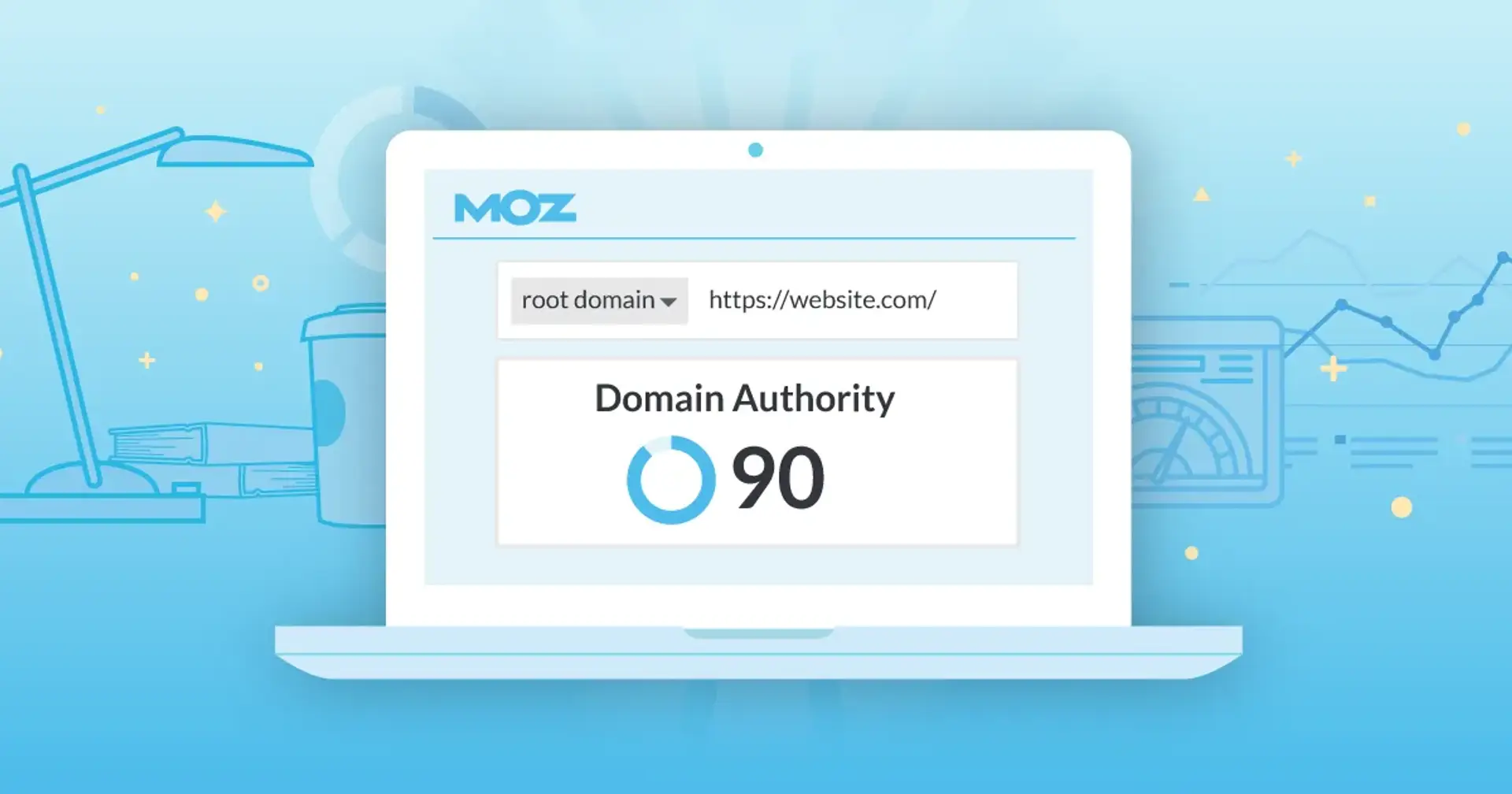
Domain Authority (DA) is a number between 1 and 100 that tells you how strong and trustworthy a website is in the eyes of search engines. The higher the score, the more likely the website will rank higher on search engine result pages (SERPs).
This score is created by a company called Moz, which is known for its SEO tools and research.
Origin and Purpose of DA
Moz developed Domain Authority to help website owners and SEO professionals estimate how well their site might perform in search results compared to competitors. It is not a ranking factor used by Google, but it’s a helpful metric to measure your site’s SEO strength.
How It Differs from Page Authority
Domain Authority refers to the overall strength of an entire website or domain, while Page Authority (PA) refers to the strength of a single web page. Both use similar metrics, but DA looks at your whole domain, not just one page.
How Is Domain Authority Calculated?
Key Factors in DA Scoring
Moz uses many different signals to calculate Domain Authority. Some important factors include:
- Backlinks: The number of websites linking to your site.
- Quality of backlinks: Links from trusted and popular websites count more.
- Link diversity: Getting links from different domains, not just one or two.
- Spam score: Too many spammy links can hurt your score.
Moz uses a complex algorithm with over 40 different signals to come up with the final score.
Why DA Score Isn’t Static
Your Domain Authority can change from time to time. This is because:
- Moz updates its index of the web regularly.
- Your competitors might gain more backlinks.
- The overall link structure of the internet changes.
So, even if you don’t lose any links, your DA may go up or down based on other sites and updates in Moz’s algorithm.
Why Does Domain Authority Matter?
SEO and Google Ranking Correlation
Even though DA is not used by Google directly, websites with higher Domain Authority often rank higher in Google search results. That’s because DA includes many SEO-related factors like backlinks and link quality.
Competitive Benchmarking
You can use DA to compare your site with others in your niche. For example, if your competitor’s website has a DA of 60 and yours is 30, it means you need to build more authority to compete with them in search rankings.
Website Credibility Indicator
DA can also be a sign of your website’s reputation. If your website has a high DA, people are more likely to trust your content, link to it, or do business with you.
What Is a Good Domain Authority Score?
DA Score Ranges Explained
- 1–20: Low DA (usually new websites)
- 21–40: Fair (growing websites)
- 41–60: Good (strong online presence)
- 61–80: Excellent (popular websites)
- 81–100: Outstanding (top brands and authority sites)
Why Context Matters
A good DA score depends on your industry. For example, a DA of 35 might be great in a small niche but low in a competitive field like health or finance. Always compare your DA with your direct competitors, not with giants like Amazon or Wikipedia.
How to Check Your Domain Authority
Free Tools to Use
You don’t need to pay to check your DA. Here are some free tools you can use:
- Moz Link Explorer (https://moz.com/link-explorer)
- Ahrefs Website Authority Checker (https://ahrefs.com)
- Ubersuggest by Neil Patel (https://neilpatel.com/ubersuggest)
- Small SEO Tools (https://smallseotools.com/domain-authority-checker/)
Step-by-Step Instructions
- Go to Moz Link Explorer.
- Type in your domain (e.g., www.yoursite.com).
- Click on “Analyze.”
- You will see your Domain Authority score along with backlinks and other metrics.
You can repeat this process for competitor websites to compare your authority.
How to Improve Your Domain Authority
Build High-Quality Backlinks
Backlinks are like votes of trust. The more quality backlinks you have, the higher your DA will go. Here are some ways to build them:
- Write guest posts on reputable sites.
- Reach out to bloggers or webmasters in your industry.
- Create content others want to link to.
- Use broken link building strategies.
Create Link-Worthy Content
High-value content naturally attracts backlinks. Focus on:
- How-to guides
- Infographics
- Listicles
- Case studies
- Original research and data
The better your content, the more chances it will get shared and linked to.
Improve On-Page SEO
- Use proper heading tags (H1, H2, H3)
- Add alt text to images
- Use internal linking wisely
- Make your content easy to read
A well-optimized page helps both users and search engines.
Fix Technical SEO Issues
Even small technical issues can affect your DA. Make sure:
- Your site loads quickly
- It’s mobile-friendly
- You fix crawl errors using Google Search Console
- Your site has a secure HTTPS connection
Common Myths About Domain Authority
“DA Is a Google Ranking Factor”
False. Google has said it does not use Moz’s Domain Authority in its algorithm. But since DA is based on real SEO metrics, a high DA often means better rankings.
“Higher DA Guarantees Rankings”
Not true. While a high DA helps, your content must still match the user’s search intent and be well-optimized. Also, low DA websites can still rank if they have great content and target low-competition keywords.
Domain Authority vs Other Metrics
Moz DA vs. Ahrefs DR vs. SEMrush AS
There are other authority metrics similar to DA:
- Ahrefs DR (Domain Rating): Measures link strength using Ahrefs’ index.
- SEMrush AS (Authority Score): SEMrush’s version of DA using multiple signals.
These tools use different formulas, so your scores will vary. The best approach is to pick one tool and track your progress over time.
Final Thoughts
Domain Authority is a useful way to measure the strength and credibility of your website. While it’s not an official ranking factor used by Google, it closely relates to SEO performance. A high DA means you’re doing many things right: building backlinks, creating quality content, and maintaining a healthy website.
Remember, building Domain Authority takes time. Focus on providing value to your audience, earning quality links, and staying consistent with your SEO efforts.
Related Posts
© 2025 Invastor. All Rights Reserved
User Comments