
Ai Content Generator
Ai Picture
Tell Your Story

 Lauren Bracy
Off Road Caravans: Smart Interiors & Durable Builds
Have you ever dreamed of taking your home on the road, exploring rugged Australian terrains without sacrificing comfort? Do you find yourself mesmerised by images of travellers living it up in remote camping spots? Off road caravans bring those dreams to life. They offer a safe, durable, and comfortable space to call home—even far from the nearest town.
These vehicles are booming across Australia. From smart interior layouts to tough construction methods, off road caravans are designed for the wild. You’ll discover details about towing capacity, off-grid power setups, and the latest innovations shaping their future. So, are you ready to journey across dusty tracks and scenic passes? Discover how off road caravans help travellers embrace the outback’s raw beauty with style, practicality, and freedom.
The Rise of Off Road Caravans in Australia
Australia’s vast landscapes have always beckoned travellers who crave adventure. Yet, it wasn’t until recently that the concept of an off road caravan truly captured the nation’s imagination. Today, off road caravans are cherished by both city-dwellers seeking a break and seasoned explorers drawn to unpaved tracks. Their popularity reflects a growing community eager to balance modern comfort with genuine outback experiences.
A Brief History of Caravan Travel
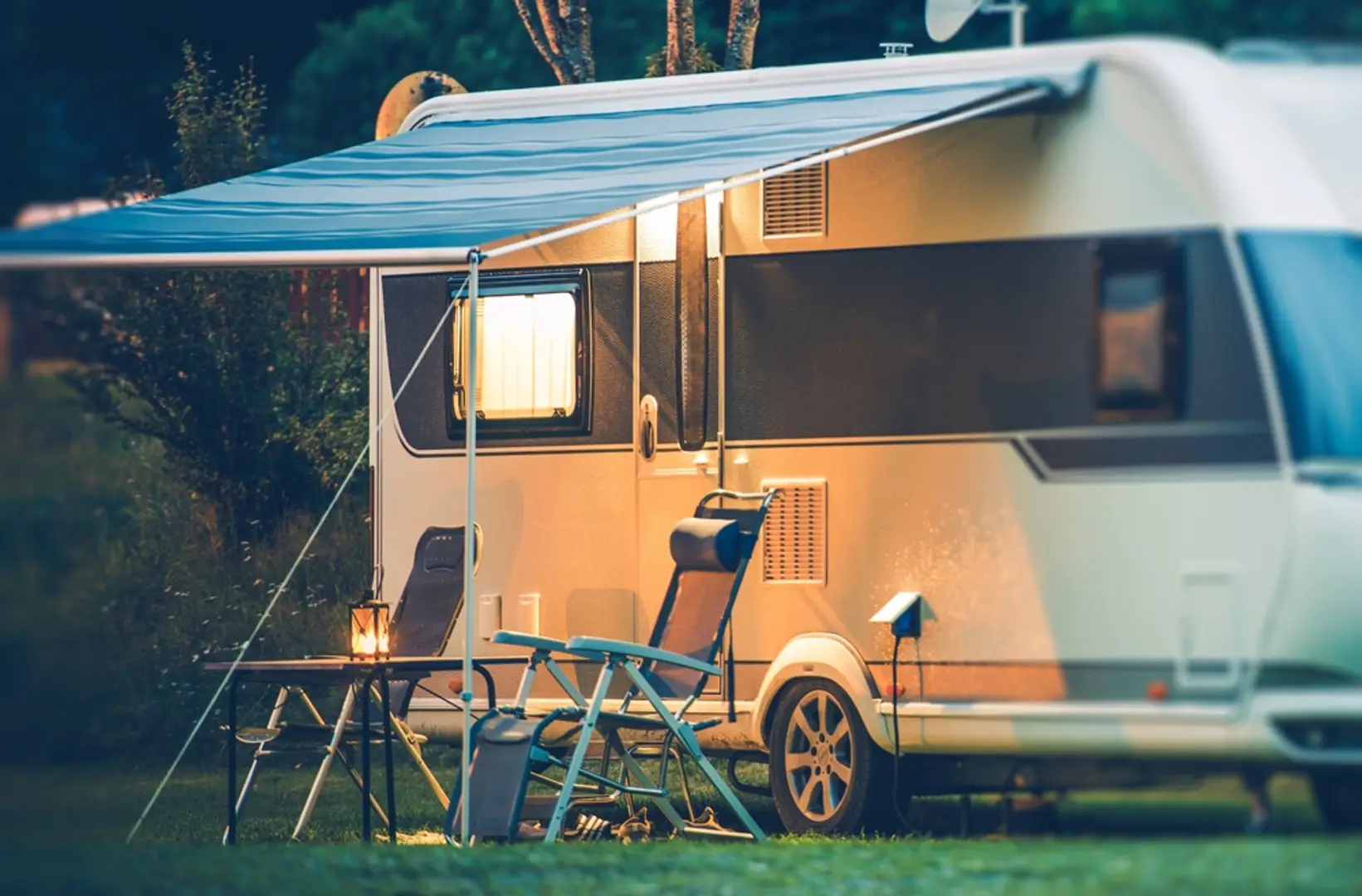
Caravan travel in Australia dates back to the early 20th century. Back then, towing a trailer was novel, but the desire to break free from routine was strong. Over time, caravans evolved into more sophisticated models with insulation, better brakes, and home-like features. With off-road exploration on the rise, tougher caravans were developed to handle Australia’s rugged conditions.
Why Are Off Road Caravans So Popular?
Off road caravans typically include raised suspension, reinforced chassis, and heavy-duty tyres to handle challenging terrain. They’re ideal for those seeking remote escapes, far from crowded caravan parks. Their rise is also linked to the appeal of off-grid travel, offering comfort and resilience where it’s needed most.
Understanding Key Off Road Features
When referring to off road caravans, people usually mean models equipped with stone guards, underbody protection, and independent suspension. Their reinforced frames and robust couplings are built for unsealed tracks. Inside, clever cabinetry reduces rattles while providing a stable, quiet ride—no matter how rough the journey.
Smart Interior Designs for Off Road Caravans
One of the exciting developments in off road caravans is the emergence of clever, cosy, and homely interiors. Manufacturers now focus on making the living space practical without sacrificing comfort. The result is a space where you can relax and recharge—even hundreds of kilometres from civilisation.
Clever Storage Solutions: Modern off road caravans make use of hidden compartments under seats, fold-out drawers, and overhead cupboards. Lightweight yet strong materials help reduce weight while maintaining durability.
Ergonomic Layouts for Comfort and Safety: Layouts are designed for movement, ease, and safety. Thoughtful design details—like cabinet positioning, non-slip floors, and accessible handles—ensure a more secure living experience.
Must-Have Amenities: Kitchens, Bathrooms, and More: Today’s off road caravans include full kitchens, showers, and toilets. Multiple power sources allow comfort in remote areas, while added features like entertainment systems and climate control complete the setup.
Durable Builds and Construction Methods
When you’re towing a caravan across corrugated roads, durability is absolutely key. Off road caravans are engineered to tolerate constant vibrations, the odd scrape against rocky outcrops, and the harsh conditions of remote travel. This section explores the construction methods and materials that help these caravans endure for years.
Tough Chassis and Suspension Systems
A strong chassis is essential. Often made from high-grade steel, it supports extra weight and unstable ground. Independent suspension systems—featuring coil springs or air-bag setups—allow each wheel to move independently. This improves grip, comfort, and overall stability, especially when paired with off road tyres.
Reinforced Frames and Exterior Materials
Frames built from reinforced aluminium or steel add strength without unnecessary weight. Durable exterior cladding like composite aluminium or fibreglass resists rust, UV, and heat—ideal for rough Australian terrain.
Leading-Edge Engineering Techniques
Builders use CAD and robotic welding for precision, reducing weak points. Honeycomb floors add strength while keeping off road caravans lightweight and resilient.
Towing and Weight Considerations

For many enthusiasts, towing off road caravans is part of the thrill. But towing mishaps can turn an exciting trip into a stressful ordeal. Understanding weight limits, pairing the right tow vehicle, and choosing the best setup is essential for a safe and enjoyable journey.
Understanding Payload and GVM (Gross Vehicle Mass)
Payload is how much gear you can safely carry in your caravan—calculated by subtracting the empty weight from the maximum allowable weight. Overloading can affect handling and cause mechanical issues. GVM includes everything from passengers to water tanks and luggage. Staying under this limit helps avoid legal issues and prevents damage.
Choosing the Right Towing Vehicle
A good towing vehicle goes beyond horsepower. Look at torque, transmission, and tow ball rating. Many choose 4WD utes or SUVs for off road caravans due to strength and versatility. A reliable match ensures confident and controlled towing on every trip.
Off-Grid Power and Self-Sufficiency
Few things rival the freedom of camping in the middle of nowhere without sacrificing essential comforts. Off road caravans are increasingly built for off-grid living, offering efficient power setups, smart water storage, and reliable filtration systems.
Solar Panels, Batteries, and Generators: Solar panels are a staple for off road caravans. Mounted on the roof or as portable panels, they charge onboard batteries to run lights, fridges, and other gear. In shaded spots or during bad weather, a generator adds backup power. The mix of solar and generator support keeps you going for days off-grid.
Water Storage and Filtration Systems: Off road caravans often feature multiple water tanks made from food-grade polyethylene. Many also include filtration systems—from carbon filters to UV purifiers—ensuring a steady supply of clean water for cooking, drinking, and showers during remote stays.
Maintenance and Longevity
Because off road caravans face tougher conditions than standard models, regular maintenance is essential. Staying on top of care helps prevent major repairs and gives you peace of mind when travelling far from towns or services.
Regular Servicing and Inspections: Routine checks include inspecting chassis welds, suspension joints, brake pads, and tyre conditions. Off road terrain wears components faster, so many owners book annual services and do extra checks after rugged trips or water crossings.
Protecting the Exterior and Underbody: The underbody of off road caravans takes a beating from stones and debris. Reapplying protective coatings and inspecting for damage after major outings is wise. Also, check seals around windows and doors to block dust and moisture—crucial for preserving your caravan’s condition long-term.
Conclusion
To sum up, off road caravans have transformed how Australians explore remote landscapes. With tough chassis, smart interiors, and off-grid systems, they offer freedom without losing comfort. From rugged construction to clever design, these caravans let you travel further and stay longer. Thanks to modern innovations and regular maintenance, off road caravans remain reliable in harsh conditions. They’re more than vehicles—they’re mobile sanctuaries. With the right setup, you can enjoy unforgettable adventures while feeling right at home, no matter how far off the beaten path you go.
Related Posts
© 2025 Invastor. All Rights Reserved
User Comments