
Ai Content Generator
Ai Picture
Tell Your Story

 DISEASE AND MEDICATION AWARENESS DISEASE AND MEDICATION AWARENESS
Understanding Multilevel Degenerative Disc Disease: Causes, Symptoms, and Management
Introduction
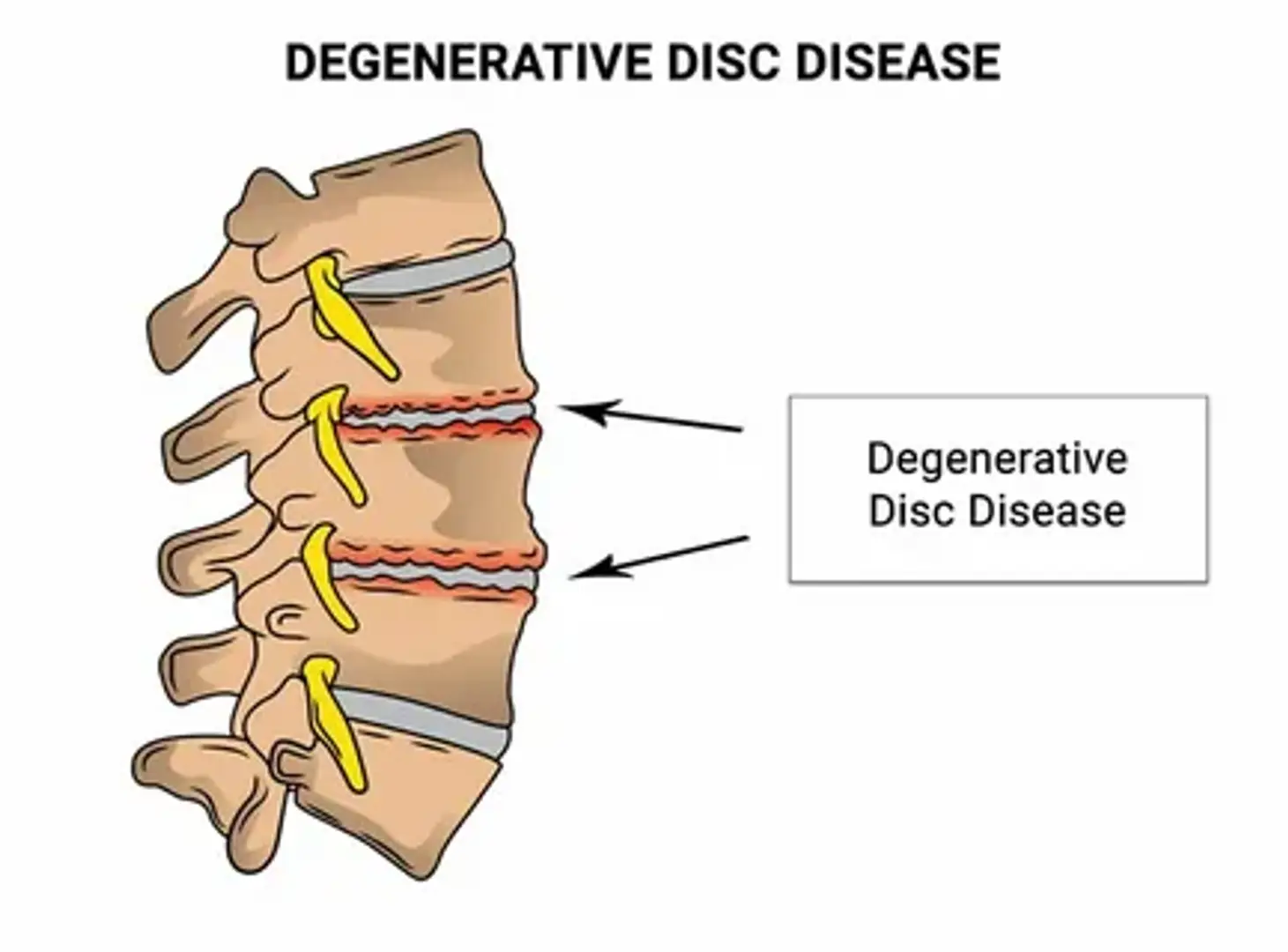
Multilevel Degenerative Disc Disease (DDD) is a spinal condition in which two or more intervertebral discs deteriorate over time, causing chronic pain, reduced mobility, and potential nerve-related complications. While degenerative disc disease typically affects a single spinal level, multilevel degeneration is more complex and often results in more pronounced symptoms.
This condition is commonly seen in older adults but can also affect younger individuals due to lifestyle factors, genetics, or injury. Understanding the underlying causes, symptoms, and treatment options is essential for managing the condition effectively and maintaining a good quality of life.
What Is Multilevel Degenerative Disc Disease?
Degenerative Disc Disease refers to the gradual breakdown of the discs that act as cushions between the vertebrae of the spine. These discs allow for flexibility and act as shock absorbers. As they age or become damaged, they lose hydration and elasticity, leading to disc thinning, reduced function, and sometimes nerve compression.
When more than one disc is affected—typically in the cervical (neck), thoracic (mid-back), or lumbar (lower back) regions—the condition is referred to as Multilevel Degenerative Disc Disease. The effects can range from mild discomfort to debilitating pain and neurological symptoms depending on the location and severity.
Causes and Risk Factors
There are multiple contributing factors to multilevel disc degeneration:
Aging
Natural aging is the primary cause. Discs dehydrate and lose height with age, reducing their ability to absorb shock.
Genetics
Some people are genetically predisposed to disc degeneration, even at a younger age.
Repetitive Stress
Jobs or activities that involve heavy lifting, bending, twisting, or long periods of sitting can accelerate disc wear.
Spinal Injuries
Previous trauma or injuries to the spine can initiate or speed up the degenerative process.
Smoking
Tobacco use reduces blood flow to spinal discs, limiting their ability to repair themselves.
Obesity
Excess weight increases pressure on the spinal structures, especially in the lower back.
Symptoms of Multilevel Degenerative Disc Disease
The symptoms can vary significantly depending on the location of the affected discs:
Cervical (Neck) Region:
- Neck pain and stiffness
- Headaches
- Radiating pain to the shoulders, arms, and hands
- Numbness or tingling in the upper extremities
Thoracic (Mid-Back) Region:
- Mid-back pain
- Limited trunk flexibility
- Pain with deep breathing or twisting
Lumbar (Lower Back) Region:
- Lower back pain
- Stiffness, especially after rest
- Pain radiating down the buttocks, legs, or feet (sciatica)
- Muscle weakness or numbness in lower limbs
In more severe cases, patients may experience loss of coordination, balance issues, or bowel and bladder dysfunction—signs that require immediate medical attention.
Diagnosis
A thorough evaluation is essential for an accurate diagnosis:
- Medical History and Physical Examination
The physician will assess symptoms, posture, reflexes, and spinal movement.
Imaging Tests
- X-rays show disc space narrowing and bone changes.
- MRI (Magnetic Resonance Imaging) offers detailed views of discs, nerves, and soft tissues.
- CT scans may be used for complex or surgical cases.
These tests help determine the extent of disc degeneration and whether nerve roots or the spinal cord are being compressed.
Treatment Options
The goal of treatment is to relieve symptoms, improve function, and slow the progression of degeneration. Most patients respond well to non-surgical treatments.
Lifestyle Modifications
- Weight management: Reducing excess weight lowers spinal pressure.
- Smoking cessation: Improves disc health and healing.
- Ergonomic changes: Using proper furniture and posture can significantly reduce discomfort.
Physical Therapy
A physical therapist can guide exercises to strengthen core muscles, improve flexibility, and reduce strain on the spine.
Medications
- NSAIDs (ibuprofen, naproxen) for inflammation and pain
- Muscle relaxants for spasms
- Nerve pain medications (gabapentin or pregabalin) for radiating symptoms
Injections
Corticosteroid injections can help reduce inflammation and nerve irritation, offering temporary relief.
Alternative Therapies
- Chiropractic care
- Acupuncture
- Massage therapy
These may complement traditional treatments but should always be discussed with your physician.
When Is Surgery Considered?
Surgical intervention is usually reserved for patients who do not respond to conservative treatments or those with severe symptoms, such as:
- Progressive neurological deficits
- Unmanageable pain
- Spinal instability
Common Surgical Options:
Spinal Fusion:
Involves permanently joining two or more vertebrae to stabilize the spine.
Artificial Disc Replacement:
In selected cases, damaged discs can be replaced with artificial ones to preserve motion.
Laminectomy or Discectomy:
These procedures relieve nerve compression by removing parts of the bone or disc.
The decision for surgery depends on several factors, including the patient’s age, overall health, the number of affected levels, and symptom severity.
Living with Multilevel Degenerative Disc Disease
While DDD cannot be reversed, many patients successfully manage the condition with a proactive approach. Here are some long-term strategies:
- Stay Active: Avoid prolonged inactivity. Gentle exercise keeps the spine flexible and healthy.
- Maintain a Healthy Diet: Anti-inflammatory foods (like fish, leafy greens, berries, and nuts) support joint health.
- Use Proper Body Mechanics: Learn to bend, lift, and sit correctly to avoid strain.
- Manage Stress: Chronic pain can be exacerbated by emotional stress. Mindfulness, counseling, or relaxation techniques can help.
Conclusion
Things to avoid with Degenerative Disc Disease Multilevel Degenerative Disc Disease can be a challenging condition, but with early diagnosis, lifestyle adjustments, and a multidisciplinary treatment plan, most individuals can lead active and productive lives. Understanding what causes the condition and how to manage it is the first step in taking control of your spinal health.
If you are experiencing persistent back or neck pain, it’s important to seek professional evaluation. With the right care and commitment, it is possible to reduce discomfort, improve function, and slow down the degenerative process.
Frequently Asked Questions (FAQs)
Q1: Can multilevel DDD be cured?
No, it cannot be cured, but symptoms can be effectively managed with non-surgical and surgical treatments.
Q2: Is exercise safe for multilevel DDD?
Yes. Low-impact exercises such as walking, swimming, and physical therapy-approved routines are often recommended.
Q3: Will I need surgery?
Only a small percentage of patients with multilevel DDD require surgery. Most improve with conservative
Related Posts
© 2025 Invastor. All Rights Reserved
User Comments