
Ai Content Generator
Ai Picture
Tell Your Story

 DISEASE AND MEDICATION AWARENESS DISEASE AND MEDICATION AWARENESS
Things to Avoid with Degenerative Disc Disease: A Professional Guide to Protecting Your Spine
Introduction
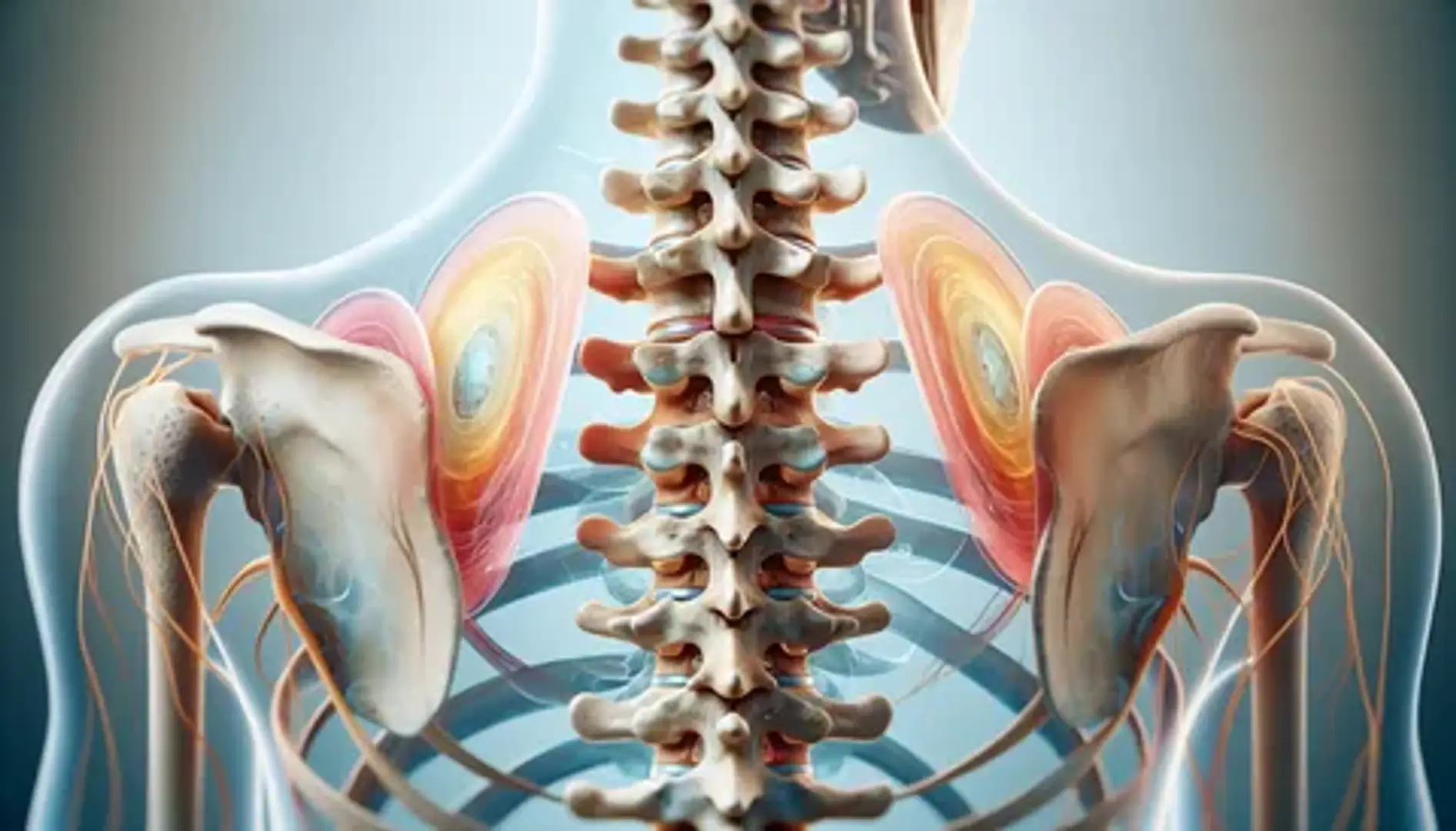
Degenerative Disc Disease (DDD) is a common condition that affects millions of individuals, especially as they age. It occurs when the intervertebral discs—those soft cushions between the bones of your spine—begin to break down due to wear and tear. While DDD is a natural part of aging, it can cause chronic pain, stiffness, and reduced mobility if not managed properly.
Effective management of DDD involves more than just medications and therapy; it requires conscious effort to avoid certain behaviors, habits, and movements that can worsen the condition. In this guide, we will outline the key things to avoid with Degenerative Disc Disease to help you preserve your spinal health and improve your quality of life.
Avoid Heavy Lifting and Poor Body Mechanics
Lifting heavy objects without proper technique puts excessive strain on your spine, increasing the risk of disc damage or herniation. Improper bending and twisting can also aggravate symptoms.
Professional Advice:
Use correct lifting techniques by bending at the knees, keeping your back straight, and holding objects close to your body. Whenever possible, avoid lifting altogether or seek assistance.
Avoid Prolonged Sitting or Standing
Remaining in one position for extended periods—especially in poor posture—can increase pressure on the spinal discs and cause muscle fatigue. This is particularly concerning for individuals with desk jobs or those who stand for long hours.
Professional Advice:
Incorporate frequent breaks into your day. If sitting, use an ergonomic chair and lumbar support. If standing, wear supportive shoes and use anti-fatigue mats when possible.
Avoid High-Impact and Jarring Activities
Activities like running, jumping, and contact sports can worsen spinal compression and accelerate disc degeneration. These high-impact motions are often responsible for flare-ups and long-term damage.
Professional Advice:
Choose low-impact activities such as walking, swimming, or stationary cycling. These exercises maintain mobility without putting undue stress on the spine.
Avoid Smoking and Tobacco Use
Smoking significantly reduces blood flow to the spinal discs, impeding their ability to heal and maintain structural integrity. It also accelerates degenerative processes and increases pain perception.
Professional Advice:
If you smoke, speak to your healthcare provider about cessation programs. Quitting smoking is one of the most beneficial actions you can take to improve spinal health and overall wellness.
Avoid Poor Posture
Slouching or sitting with your back curved can place uneven pressure on the spine, leading to disc strain and increased discomfort. Poor posture is a leading contributor to chronic back issues.
Professional Advice:
Maintain a neutral spine position whether sitting, standing, or walking. Consider posture-correcting devices or physical therapy to retrain muscle memory and improve alignment.
Avoid Being Overweight or Inactive
Excess body weight, especially around the abdomen, adds strain to the lower back and contributes to multilevel degenerative disc disease disc deterioration. A sedentary lifestyle also weakens core muscles that support the spine.
Professional Advice:
Aim to maintain a healthy weight through a balanced diet and regular, low-impact exercise. Strengthening your core muscles can significantly reduce spinal pressure.
Avoid Unsupported Footwear
Wearing shoes without adequate support—such as high heels or flat, thin-soled shoes—can lead to poor posture and uneven weight distribution, ultimately affecting your spine.
Professional Advice:
Choose footwear with proper arch support, cushioning, and shock absorption. Orthopedic shoes or custom insoles may be recommended by a podiatrist or spine specialist.
Avoid Sleeping on the Wrong Mattress or Pillow
An unsupported mattress or improperly aligned pillow can cause your spine to twist unnaturally during sleep, exacerbating pain and stiffness upon waking.
Professional Advice:
Invest in a medium-firm mattress that promotes spinal alignment. Use a pillow that supports the natural curve of your neck. Side sleeping with a pillow between the knees is also beneficial.
Avoid Ignoring Pain or Self-Diagnosing
Pain is a signal that something may be wrong. Ignoring persistent discomfort or attempting to self-diagnose can delay appropriate treatment and worsen your condition.
Professional Advice:
Always consult with a medical professional for accurate diagnosis and tailored treatment plans. Early intervention is key in managing DDD effectively.
Avoid Overuse of Pain Medication
While over-the-counter or prescribed pain relievers can help manage symptoms, relying on them long-term can lead to dependency or side effects such as gastrointestinal issues and liver damage.
Professional Advice:
Use medication only as directed and explore alternative therapies such as physical therapy, chiropractic care, acupuncture, or guided exercise programs under medical supervision.
Avoid Skipping Physical Therapy
Many patients discontinue physical therapy once they feel minor relief. However, ongoing therapy is essential for building the strength and flexibility needed to support spinal health.
Professional Advice:
Follow your physical therapist’s instructions consistently. Exercises that target the core and spinal stabilizer muscles can prevent future degeneration and improve function.
Avoid Mental and Emotional Stress
Chronic stress can increase muscle tension and pain sensitivity. Emotional stress also negatively affects sleep quality and physical recovery, further exacerbating DDD symptoms.
Professional Advice:
Incorporate stress management techniques such as meditation, deep breathing, yoga, or therapy. A calm and balanced mental state promotes physical healing and resilience.
Conclusion
Things to avoid with Degenerative Disc Disease not have to mean a life of chronic pain or limited mobility. By avoiding harmful activities and habits—and adhering to professional guidance—you can manage your condition effectively and preserve your spinal health for years to come.
Awareness and proactive behavior are crucial. Make informed decisions, stay consistent with therapy, and work closely with your healthcare team. With the right lifestyle changes and commitment to self-care, many individuals with DDD go on to lead active, fulfilling lives.
Frequently Asked Questions (FAQs)
Q1: Can Degenerative Disc Disease heal on its own?
No. While symptoms may improve, the structural changes to discs are typically permanent. However, proper care can significantly reduce pain and improve function.
Q2: Is surgery the only option for DDD?
Surgery is usually considered only after conservative treatments fail. Most patients improve with physical therapy, lifestyle modifications, and medical management.
Q3: What is the best sleeping position for DDD?
Side sleeping with a pillow between your knees is often recommended, as it helps maintain proper spinal alignment.
Q4: Are there foods that help with disc health?
Yes. Anti-inflammatory foods such as salmon, leafy greens, berries, and nuts may help reduce inflammation and support tissue health.
Q5: Can exercise worsen DDD?
Only if performed incorrectly. High-impact or improper exercises can aggravate symptoms, but a structured, low-impact routine can be very beneficial.
Related Posts
© 2025 Invastor. All Rights Reserved
User Comments