
Ai Content Generator
Ai Picture
Tell Your Story

 Business Promotion
Why a Boiler Condensate Tank Is Critical for Efficient Heating Systems?
A well-functioning heating system is essential to keeping your home or building warm and energy-efficient. Whether dealing with a residential boiler or managing a large industrial heating setup, every component plays a vital role in system performance. Among the lesser-known yet essential parts is the boiler condensate tank. Often overlooked, this simple piece of equipment can maximize efficiency, extend system lifespan, and reduce maintenance issues.
In this blog, you will explore a boiler condensate tank, why it matters, how it works, and what to consider when choosing or maintaining one. Whether you’re a homeowner, facility manager, or HVAC professional, understanding this tank’s function could lead to better energy savings and smoother boiler operations.
What Is a Boiler Condensate Tank?
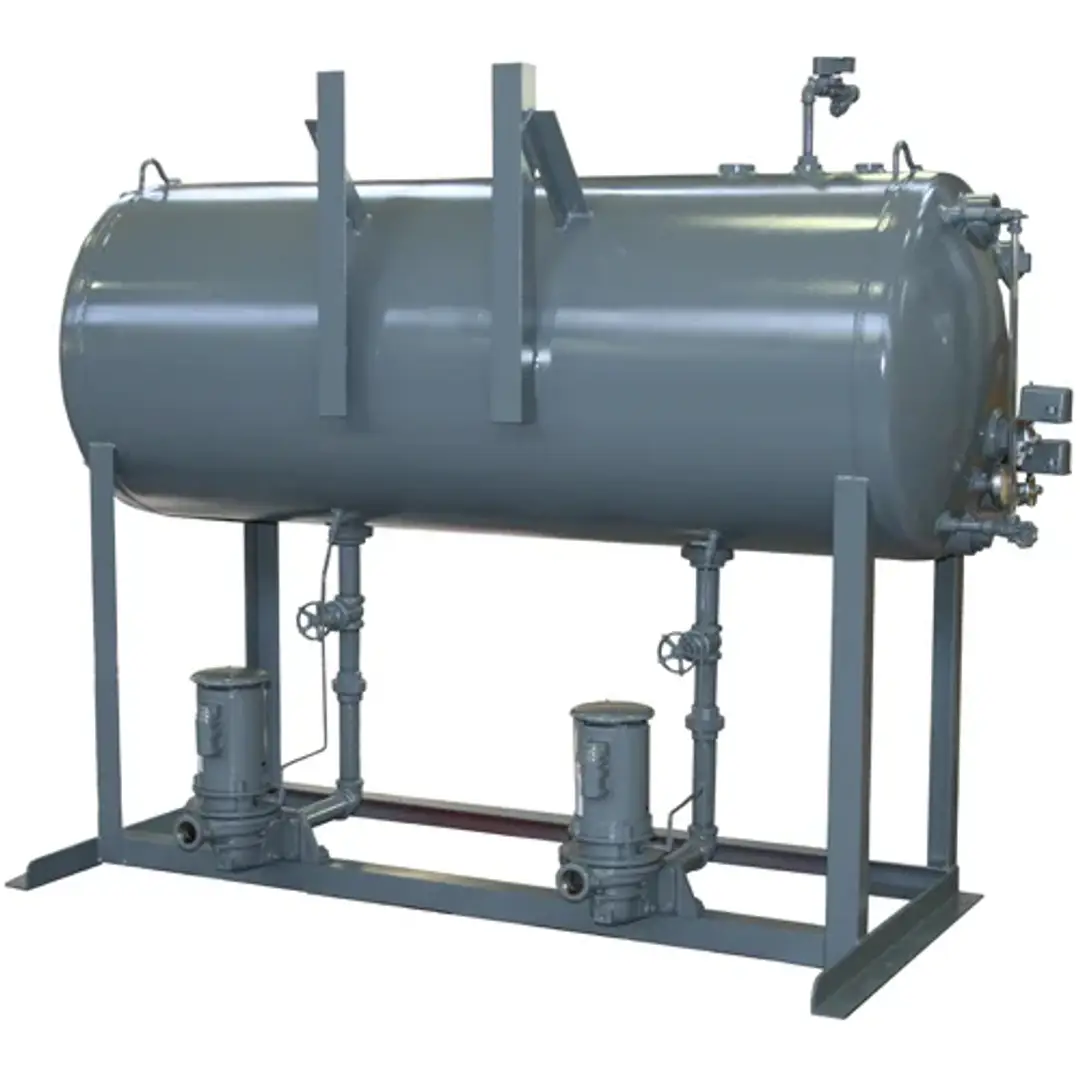
Before diving into its benefits, it’s important to understand what exactly a boiler condensate tank does. When a boiler heats water to create steam, that steam travels through pipes to heat various spaces. Once the steam gives off its heat, it condenses back into water, which is known as condensate. This water needs to be returned to the boiler to be reheated. That’s where the condensate tank comes in.
The tank collects this return water, stores it temporarily, and may include a pump that pushes it back into the boiler. It’s usually made of stainless steel, carbon steel, or specialized polymers and can vary in size based on the capacity and demand of the system it serves.
Why Does the Condensate Tank Matters More Than You Think?
Some may assume that once steam turns back into water, it’s simply piping it back to the boiler. But in reality, the process is more delicate and crucial than that. Here’s why the condensate tank matters.
Improved Boiler Efficiency
By reusing condensate water, which is already hot, the boiler doesn’t need to work as hard to reheat it. This means less energy is consumed compared to heating cold water from scratch. Over time, this improves your boiler’s efficiency significantly.
Water Conservation
Fresh water needs to be treated before it enters a boiler. The condensate tank helps minimize fresh water usage by recycling water already in the system. This is not just eco-friendly but also reduces operating costs.
Protection Against Corrosion
When condensate sits in pipes without proper collection and management, it can corrode metal over time. Condensate tanks help regulate and neutralize pH levels, preventing acidic water from damaging system components.
Prevents Boiler Lockout
A low water level in the boiler can lead to a lockout, shutting the system down until it’s manually reset. A properly functioning condensate tank ensures consistent water levels, reducing the risk of boiler downtime.
Reduces Pump Wear and Tear
Without a holding tank, water return to the boiler can be sporadic and involve frequent short bursts, which can overwork the boiler feed pump. A tank collects water and sends steady, manageable flows, reducing mechanical strain.
Final Thoughts
Though small in size compared to the boiler itself, the boiler condensate tank is a powerhouse when it comes to system optimization. It boosts energy efficiency, conserves water, protects against corrosion, and supports sustainable building goals. This quiet workhorse can keep your heating system running smoothly for years with proper installation and regular maintenance.
So, the next time you assess your boiler system’s health or look to upgrade your HVAC setup, don’t overlook the value of a high-quality boiler condensate tank. Investing in one could be the difference between average performance and long-term, cost-saving efficiency.
Related Posts
© 2025 Invastor. All Rights Reserved
User Comments