
Ai Content Generator
Ai Picture
Tell Your Story

 Jignesh Acharya
What Is Special About Madhubani Painting?
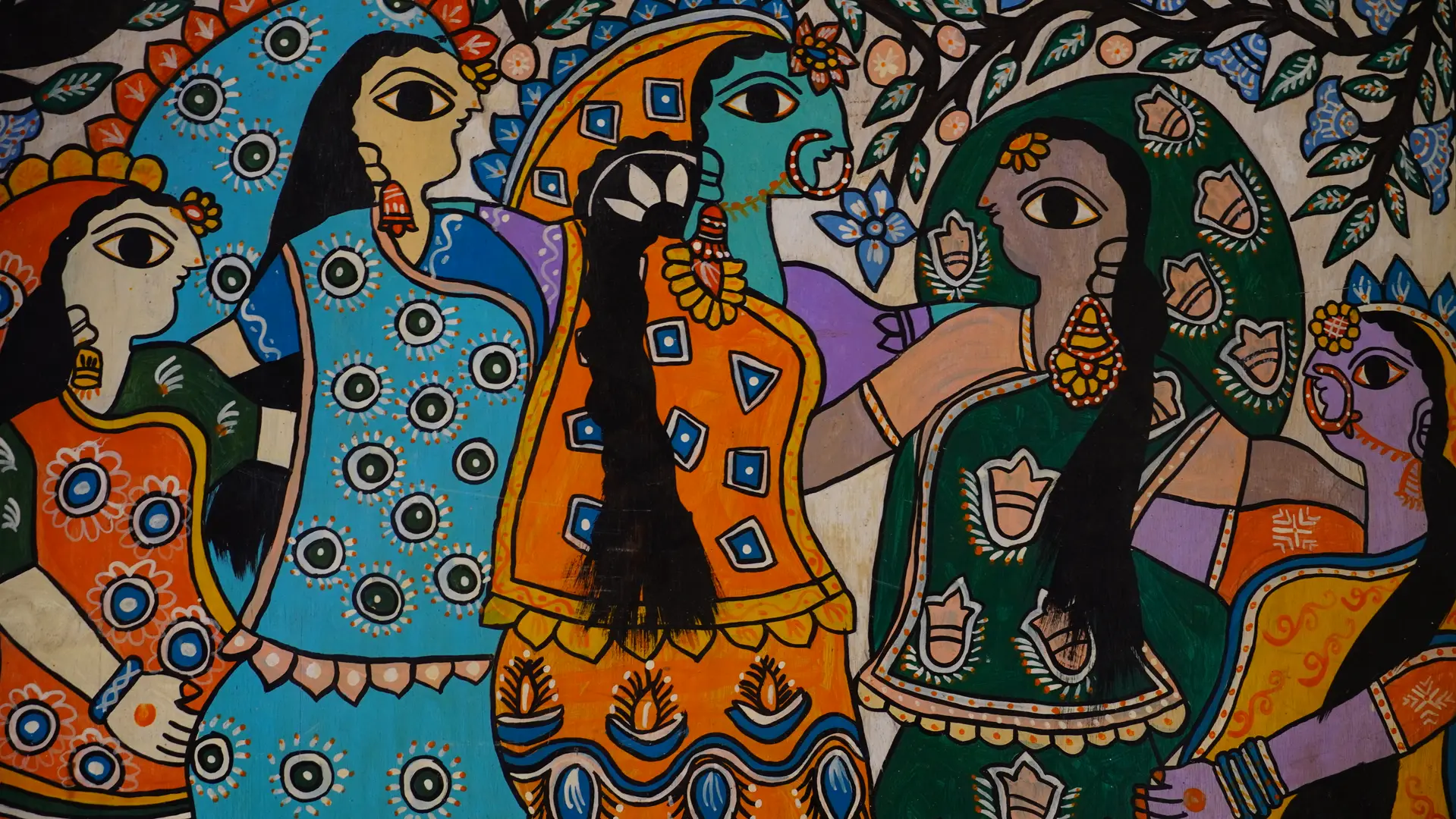
Madhubani painting, also known as Mithila painting, is one of the most celebrated and visually striking traditional art forms of India. Originating from the Mithila region of Bihar, Madhubani art is known for its vivid imagery, intricate patterns, and deep cultural symbolism. But what truly makes this art form special goes far beyond its aesthetic appeal.
Tradition Rooted in Heritage
Madhubani painting dates back over 2,500 years, with its roots traced to ancient epics like the Ramayana. It is believed that King Janaka, Sita’s father, commissioned artists to decorate the walls of his kingdom for her wedding. Since then, the tradition has been passed down through generations—especially among women.
Originally created on mud walls using natural dyes and twigs, Madhubani art was more than decoration. It was a cultural expression, deeply woven into rituals, festivals, and daily life.
What Makes Madhubani Art Unique?
1. Deep Cultural Symbolism
Every Madhubani painting tells a story. Common themes include mythology, folklore, nature, and religious motifs like Krishna-Radha, Shiva-Parvati, and the sacred Tulsi plant. Even everyday events like harvests, weddings, and festivals find their way into the artwork.
2. Intricate Geometric Patterns
One of the most special features of Madhubani painting is the detailed linework and symmetrical patterns. Borders are often filled with fine lines, floral motifs, and geometric shapes that require patience and precision.
3. Vibrant Natural Colors
Traditionally, Madhubani artists use colors made from natural elements—turmeric for yellow, indigo for blue, and rice paste for white. The use of eco-friendly, handmade materials is part of what makes this art form so authentic and environmentally conscious.
4. No Empty Spaces
A signature element of Madhubani painting is that there are no blank spaces in the composition. Any gaps in the artwork are filled with flowers, birds, or decorative designs. This makes the final piece look rich, detailed, and complete.
5. A Voice for Women
Madhubani art has historically been a women-centric tradition. For centuries, it was practiced by women in rural households as a means of expression and storytelling. Today, it stands as a powerful symbol of female creativity, resilience, and cultural preservation.
Styles Within Madhubani Painting
There are five main styles of Madhubani painting, each with its own identity:
- Bharni – Known for vibrant colors and religious themes.
- Kachni – Defined by delicate line work and monochrome patterns.
- Tantrik – Focuses on deities and symbolic diagrams.
- Godna – Inspired by tribal tattoo designs.
- Kohbar – Traditionally made in marriage chambers with fertility symbols.
Each style is a testament to the diverse creativity within the art form and the region’s rich cultural fabric.
A Global Artistic Legacy
Madhubani painting is now recognized globally, with exhibitions in international galleries and features in global design projects. UNESCO has even acknowledged it as an intangible cultural heritage. Many Indian fashion brands, home décor companies, and art institutions are embracing Madhubani art in contemporary formats—on saris, handbags, canvases, and digital platforms.
Final Thoughts
What makes Madhubani painting truly special is how it merges beauty, tradition, and meaning. It is not just art—it is a living heritage. Rooted in mythology, culture, and community, Madhubani continues to evolve while staying true to its origins.
Whether you are a lover of traditional Indian art or simply curious about cultural crafts, Madhubani painting offers a rich, colorful, and meaningful glimpse into India’s artistic soul.
Explore More Traditional Indian Art
If you're passionate about India’s rich artistic legacy, explore the vibrant world of Hina’s Art Pavilion (HAP) - a leading art gallery in Ahmedabad that showcases traditional Indian art forms, including Madhubani. HAP actively supports and promotes women and child artists through exhibitions, cultural programs, and learning spaces.
Discover more at Hina’s Art Pavilion and immerse yourself in the Traditional Art Forms of India.
Related Posts
© 2025 Invastor. All Rights Reserved
User Comments