
Ai Content Generator
Ai Picture
Tell Your Story

 james Alex
Vagabond Manga A Masterpiece of Samurai Philosophy and Art
Vagabond, written and illustrated by Takehiko Inoue, stands as one of the most visually stunning and emotionally profound manga series ever created. Based on the novel Musashi by Eiji Yoshikawa, it retells the life of Miyamoto Musashi, Japan’s most legendary swordsman. But Vagabond manga is far more than a historical tale—it’s a philosophical journey through violence, identity, and the search for meaning.
The Story: From Wild Beast to Enlightened Warrior
The manga begins with Takezō Shinmen, a wild and violent young man who survives the Battle of Sekigahara in 1600. Renamed Miyamoto Musashi, he sets out to become “invincible under the sun.” His journey is not just one of swordsmanship but one of personal evolution.
Musashi starts as a brute, relying on raw strength and aggression. But as the series progresses, he confronts the emptiness of violence and the burden of killing. His path is shaped by his battles, his rivals, and moments of introspection that force him to question what true strength really means.
The Characters: Depth in Every Soul
- Miyamoto Musashi: A complex protagonist, torn between ambition and understanding. His evolution from rage to wisdom is the heart of the manga.
- Sasaki Kojirō: Musashi’s destined rival, portrayed in Vagabond as a deaf and mute swordsman. Kojirō’s unique perception of the world contrasts beautifully with Musashi’s inner turmoil.
- Otsu: Musashi’s childhood friend and love interest, who provides emotional depth and humanity to the story.
- Takuan Sōhō: A Zen Buddhist monk who plays a pivotal role in guiding Musashi spiritually.
Each character is deeply layered, representing different philosophies about life, death, honor, and growth.
Themes: Philosophy Through the Blade
While the manga is set in Japan’s feudal era, Vagabond explores timeless, universal themes:
- The nature of strength: Is power measured by victory in battle, or by mastering oneself?
- Violence and humanity: The manga never glorifies killing; instead, it highlights its psychological and spiritual cost.
- Solitude and connection: Musashi’s path is lonely, but his growth comes from the people he meets—and the ones he loses.
Art Style: Visually Breathtaking
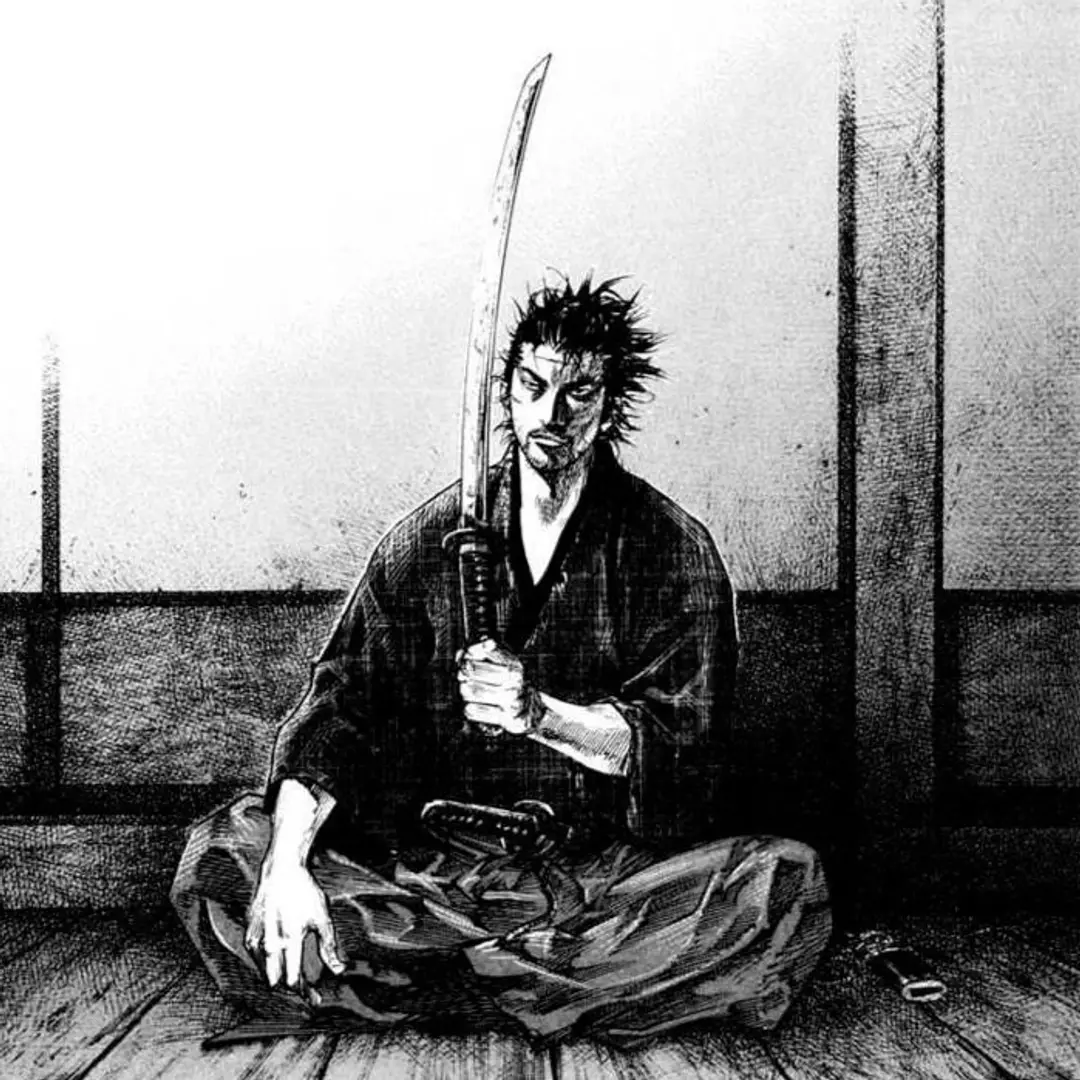
Takehiko Inoue’s artwork in Vagabond is nothing short of masterful. Each panel is drawn with a level of detail and emotion rarely seen in manga. From intense sword fights to silent, reflective moments in nature, the visuals speak as loudly as the dialogue.
The use of ink brush techniques adds a traditional Japanese feel to the pages, further enhancing the atmosphere and setting. Silence is used as powerfully as action, letting readers sit with the emotion of a scene.
Legacy and Impact
Though Vagabond has been on indefinite hiatus since 2015, it remains one of the most respected manga worldwide. It won numerous awards, including the Kodansha Manga Award and Tezuka Osamu Cultural Prize. Many fans and critics consider it a pinnacle of manga as a literary and artistic medium.
Its influence extends beyond manga, inspiring readers to reflect on their own life paths, purpose, and the meaning of strength.
Final Thoughts
Vagabond is not just a story about swords; it’s a story about the soul. Through Musashi’s journey, readers witness a raw, honest, and often painful search for truth. With its philosophical depth, unforgettable characters, and unparalleled art, Vagabond is a masterpiece that resonates far beyond its historical setting.
If you’re looking for a manga that challenges your mind and stirs your spirit, Vagabond will leave a mark that lasts long after the final page.v
Related Posts
© 2025 Invastor. All Rights Reserved
User Comments