
Ai Content Generator
Ai Picture
Tell Your Story

 Cheryl Richards
Exploring Poptropica: The Ultimate Adventure Game for Kids
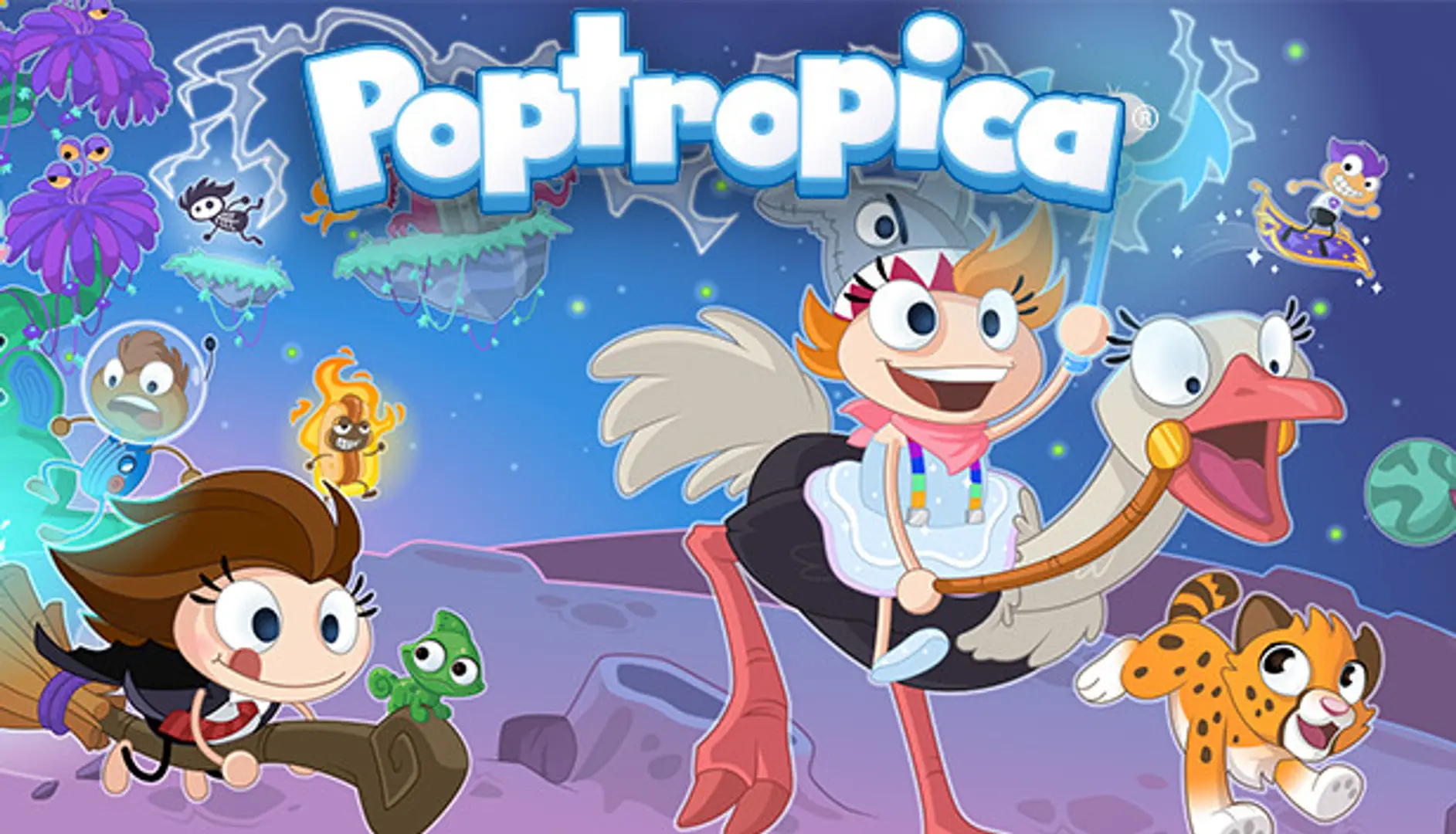
Since its launch in 2007, Poptropica has been a favorite online destination for children and tweens around the world. Designed by Jeff Kinney, the author of the Diary of a Wimpy Kid series, this browser-based game combines entertainment with learning in a safe and engaging environment. With its unique island-based gameplay, customizable avatars, and puzzle-solving challenges, Poptropica stands as a timeless classic in the world of online games for children.
In this article, we’ll take a deep dive into the world of Poptropica, covering its history, gameplay mechanics, educational value, community aspects, and why it continues to thrive in a digital world dominated by fast-paced games and apps.
The History of Poptropica
Poptropica was developed by Family Education Network, part of Pearson Education, and officially launched in September 2007. The game was designed with educational goals in mind, aiming to provide a safe space for kids aged 6 to 15 to play and learn.
The game grew in popularity quickly, and by 2011, over 75 million users had registered. With its growing fanbase, Poptropica added more features, islands, and interactive elements. In 2015, it was acquired by Sandbox Networks, a digital education company, which continued its development and modernization, including launching a mobile version and later, Poptropica Worlds in 2017.
Gameplay Mechanics and Features
At its core, Poptropica is a point-and-click adventure game. Players create a customizable avatar and travel across various themed islands, each offering a unique storyline and set of challenges. The objective is to solve puzzles, complete quests, and collect rewards.
a. Island Adventures
Each island in Poptropica is a self-contained adventure. Some popular islands include:
Time Tangled Island – Players travel through different historical periods to fix a broken timeline.
Mythology Island – Explore Greek myths and battle creatures from ancient tales.
Spy Island – Uncover a spy conspiracy and use gadgets to complete missions.
Shark Tooth Island – Help a village plagued by a dangerous shark.
Each island combines logic, reading comprehension, critical thinking, and problem-solving skills. The stories are engaging and rich in detail, often teaching kids about history, science, mythology, or literature in the process.
b. Customization and Avatars
Players can customize their avatars with different hairstyles, clothing, and accessories. As they complete islands, they earn credits, which can be used to buy costumes and items from the Poptropica Store. The wide range of customization adds a personal touch and makes the gameplay more immersive.
c. Mini-Games and Side Activities
Besides the main island quests, Poptropica offers mini-games such as multiplayer competitions and arcade-style challenges. These games offer a fun break and an opportunity for players to earn more credits and interact with friends online.
Educational Value
While Poptropica is undeniably fun, it also offers substantial educational value. Here are some of the skills and benefits children gain from playing the game:
a. Reading and Comprehension
Each island features dialogue-driven narratives. Players must read carefully to understand what tasks to perform and how to solve problems. This builds vocabulary, comprehension, and the ability to follow complex instructions.
b. Critical Thinking and Problem-Solving
Island challenges require players to think creatively and logically. From decoding messages to assembling gadgets, the puzzles are designed to stretch the player’s mind and encourage analytical thinking.
c. Exposure to History and Culture
Islands like Time Tangled and Mystery Train expose players to historical figures and events. Mythology Island introduces Greek myths, while Arabian Nights Island showcases Middle Eastern culture and folklore. These experiences enrich players’ understanding of the world.
Safe Online Environment
One of Poptropica’s strengths is its focus on online safety. Unlike many multiplayer games, Poptropica limits direct communication between players. Interactions are typically through pre-set chat phrases, ensuring that kids cannot share personal information or be exposed to inappropriate content.
Parents can feel confident that Poptropica provides a secure, moderated environment for their children to explore and play.
Poptropica Membership and Monetization
While Poptropica is free to play, it offers a membership plan that unlocks additional islands, costumes, and early access to new features. This subscription model helps support the game’s development while providing value to committed players.
There are no ads or microtransactions that pressure children into spending money, making it a more ethical model compared to many free-to-play games.
Poptropica Worlds and Mobile Gaming
In 2017, the creators launched Poptropica Worlds, a reimagined version of the original game, with updated graphics and mobile compatibility. Though not as widely embraced as the original version, it brought Poptropica into the mobile era, expanding its accessibility across devices.
Additionally, the classic version of Poptropica continues to be available on browsers and remains popular among nostalgic players and new fans alike.
A Nostalgic Community
Many of today’s young adults have fond memories of playing Poptropica in the late 2000s and early 2010s. Online forums, Reddit threads, and YouTube videos highlight a nostalgic community that still engages with the game, either by replaying old islands or sharing fan art and stories.
This nostalgic value contributes to the game’s longevity. Players who once enjoyed the game as children now introduce it to their own kids, continuing the cycle of fun and learning.
Educational Applications in the Classroom
Teachers and educators have used Poptropica in classrooms as a digital literacy tool. Its rich text, historical content, and problem-solving structure make it a valuable supplement to traditional teaching methods.
Some schools assign specific islands as interactive assignments, especially in subjects like history and English. This gamified learning approach increases engagement and retention in students.
Tips for New Players
If you’re just starting out in Poptropica, here are a few tips to enhance your adventure:
Read Carefully: Most clues are hidden in dialogue or descriptions. Pay close attention to what characters say.
Explore Everything: Click on objects, talk to everyone, and check every room. There are often hidden items and paths.
Use Your Backpack: Items you collect are stored here. You may need to combine them or use them at the right moment.
Don’t Rush: Take your time solving puzzles. Some require trying different solutions.
Ask for Help: If stuck, there are many fan-made guides, forums, and walkthroughs online to assist.
Why Poptropica Still Matters Today
In a world saturated with fast-paced games, loud graphics, and aggressive monetization, Poptropica offers something refreshing. It blends storytelling, education, creativity, and exploration in a non-toxic, ad-free environment. It’s a game where kids can feel like heroes, solve meaningful problems, and learn something new along the way.
Its charm, simplicity, and commitment to child-friendly values make it stand out — and why it remains relevant even over a decade after its release.
Conclusion
Poptropica isn’t just a game — it’s an experience. It’s a journey through time, myth, science, and imagination. Whether you’re a parent looking for safe online games for your child or an adult returning to relive the magic, Poptropica continues to deliver adventures worth taking.
With its diverse islands, engaging storylines, educational content, and commitment to online safety, Poptropica has proven itself as more than just another browser game. It’s a digital playground that has stood the test of time — and will likely continue to inspire curiosity and joy in generations to come.
Related Posts
© 2025 Invastor. All Rights Reserved
User Comments