
Ai Content Generator
Ai Picture
Tell Your Story

 Balla Erika
AI in the Courtroom: The Future of Automated Judicial Decision-Making
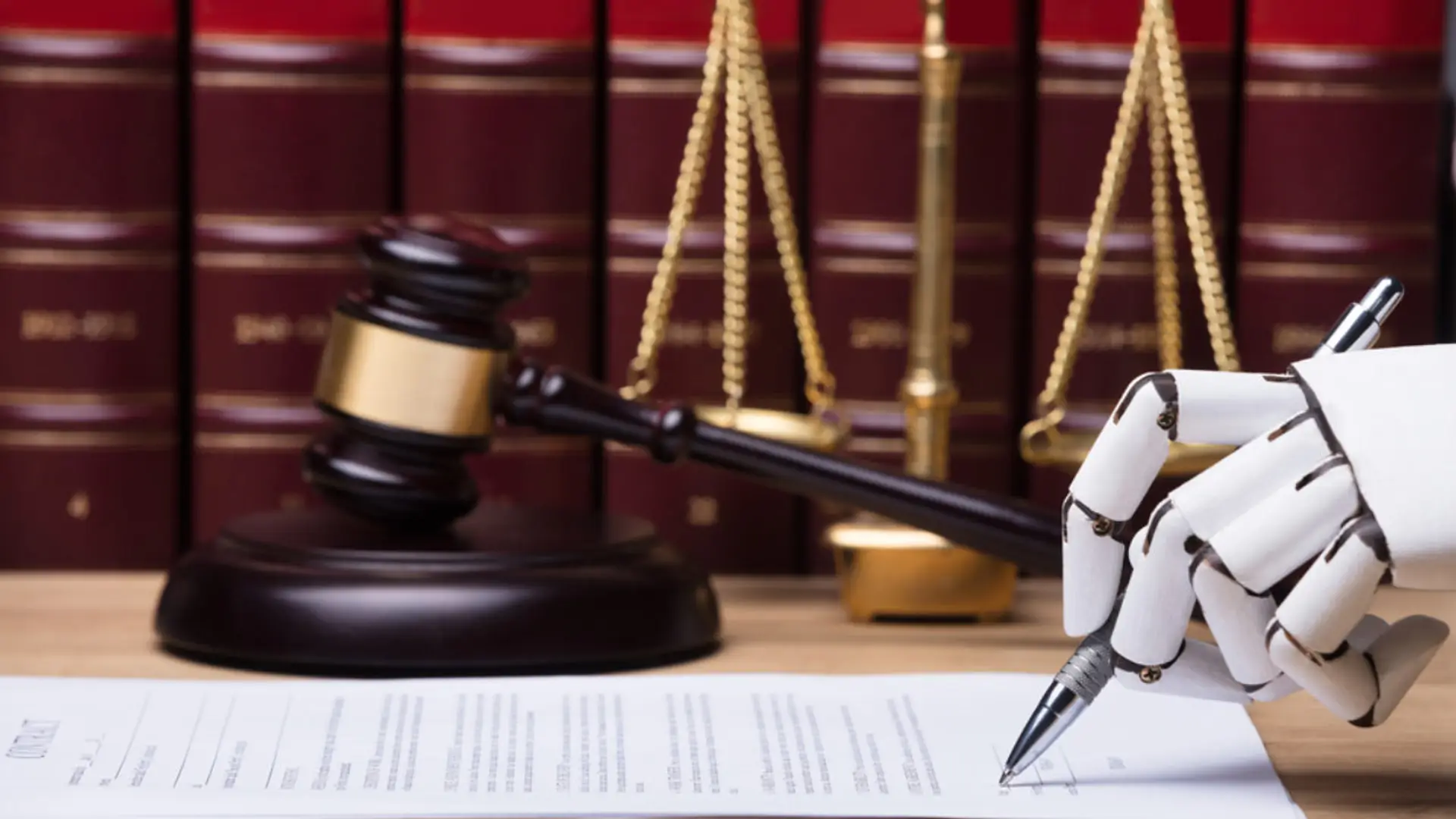
The advent of Artificial Intelligence (AI) in the courtroom promises to revolutionize how justice is administered. From aiding judges in sentencing decisions to analyzing case law and evidence, AI systems are increasingly being integrated into judicial processes. While these technologies offer potential benefits such as efficiency and consistency, they also raise significant legal and moral questions. This article evaluates the future of AI in judicial decision-making, focusing on its implications for fairness, accountability, and the rule of law.
The Rise of AI in Judicial Decision-Making
AI Applications in Courts
AI tools are currently used in various judicial capacities, including:
- Sentencing Recommendations: Algorithms predict recidivism risk to guide sentencing decisions.
- Case Analysis: AI helps analyze legal documents, evidence, and precedents.
- Administrative Assistance: Automation of routine case management tasks.
For instance, the COMPAS algorithm is widely used in the U.S. to assess the risk level of defendants, influencing bail and sentencing. A 2021 survey by the National Center for State Courts found that 37% of courts nationwide use some form of AI to assist with case processing or decision-making.

Legal Implications of Automated Judicial Decisions
Due Process and Fair Trial Rights
One core legal concern is whether AI-assisted decisions comply with constitutional guarantees of due process and a fair trial. Judicial decisions must be transparent and subject to meaningful review. However, many AI models operate as “black boxes,” providing little explanation of how conclusions are reached.
This lack of transparency can challenge:
- The right to confront evidence.
- The ability to challenge or appeal decisions.
- Judicial independence, if judges defer excessively to AI recommendations.
Accountability and Liability
When AI influences or replaces judicial decisions, questions about accountability arise. If an AI system produces an erroneous or biased outcome, determining responsibility becomes complicated:
- Is the developer liable for algorithm flaws?
- Should the judge bear responsibility for following AI advice?
- What role do courts have in regulating AI usage?
Current legal frameworks do not address these accountability issues, creating a regulatory gap.
Moral and Ethical Considerations
Bias and Discrimination
AI systems trained on historical judicial data may replicate or amplify existing biases. For example, risk assessment tools have been criticized for disproportionately classifying minority defendants as higher risk, reinforcing systemic racial disparities.
Ethically, deploying AI in sentencing risks:
- Undermining equality before the law.
- Perpetuating social injustice.
- Diminishing human empathy in judicial decisions.
The Human Element in Justice
Judges weigh not only facts and laws but also human dignity, remorse, and context. AI cannot understand moral subtleties or exercise discretion informed by compassion. Replacing judges with machines risks reducing justice to mere data points, neglecting its deeply human dimensions.
Statistical Snapshot: AI in Judicial Contexts
Aspect
Courts using AI for sentencing
Minority defendants flagged as high risk by AI
Judges expressing concern over AI bias
Public support for AI in courts
Statistic
24% in the U.S.
60% (vs. 40% for whites)
58%
45% support limited AI use
Source
Brennan Center, 2022
ProPublica, 2016
National Center for State Courts, 2021
Avocat Oradea Research, 2023
Benefits of AI in the Courtroom
Efficiency and Consistency
AI can process large volumes of data faster than humans, helping courts reduce backlogs and deliver timely justice. It can also promote consistency by applying standardized criteria, potentially reducing arbitrary disparities.
Enhancing Judicial Decision-Making
When used as an assistive tool rather than a decision-maker, AI can:
- Help identify relevant precedents quickly.
- Highlight inconsistencies in case facts.
- Provide data-driven risk assessments to inform, not replace, judicial discretion.
Challenges and Risks of AI in Courts
Transparency and Explainability
A major challenge is the “black box” nature of many AI algorithms. Without clear explanations, judges, lawyers, and defendants cannot fully understand or trust AI inputs. This undermines procedural fairness and can violate legal standards requiring justification of decisions.
Risk of Over-Reliance
Judges may defer too readily to AI recommendations, leading to “automation bias.” This could erode judicial independence and critical evaluation, making courts overly dependent on imperfect technology.
Data Privacy and Security
Judicial AI systems handle sensitive personal data. Ensuring data privacy and protecting against cyber threats is essential to uphold confidentiality and public trust.
Regulatory and Policy Responses
Emerging Guidelines and Frameworks
Some jurisdictions and organizations are developing frameworks for responsible AI use in justice, including:
- Algorithmic transparency mandates.
- Bias audits and fairness assessments.
- Mandatory human oversight.
For example, the European Commission’s AI Act proposes stringent requirements for high-risk AI systems such as those used in courts, including documentation and human review mechanisms.
Role of Judicial Training
Educating judges on AI technology, its benefits, and limitations is vital. Judicial training programs are emerging to help judges critically assess AI tools and avoid blind reliance.
Table: Pros and Cons of AI in Judicial Decision-Making
Pros
Increased efficiency and speed
Greater consistency and standardization
Data-driven insights to aid judgment
Reduction of human errors
Cons
Risk of embedding historical biases
Lack of transparency and explainability
Potential erosion of judicial independence
Privacy and data security concerns
Conclusion: Balancing Innovation and Justice
AI offers significant potential to modernize judicial processes and improve efficiency. However, fully automated judicial decision-making raises profound legal and ethical concerns that cannot be ignored. Maintaining transparency, ensuring accountability, safeguarding human rights, and preserving the moral judgment of human judges are essential. The future of AI in the courtroom must be shaped by careful regulation, ongoing ethical reflection, and a commitment to justice as a fundamentally human endeavor.
FAQs
1. Can AI fully replace human judges?
Currently, AI cannot replace judges because it lacks moral reasoning, empathy, and contextual understanding critical to justice. AI is best used as a supportive tool.
2. How do AI algorithms become biased?
Bias can arise from historical data reflecting social inequalities or from flawed algorithm design. Without careful oversight, AI can perpetuate or amplify these biases.
3. What legal safeguards exist to protect defendants from AI errors?
Defendants have rights to due process and fair trial, which require transparency and the ability to challenge evidence. Courts are developing guidelines for AI use to uphold these rights.
4. Is AI adoption in courts increasing worldwide?
Yes, AI use in courts is growing, especially in case management and sentencing assistance, but adoption varies by country and is accompanied by caution.
5.What measures ensure AI accountability in judicial settings?
Measures include mandatory audits, human oversight, transparent algorithms, and legal frameworks defining liability for AI-related errors.
Related Posts
© 2025 Invastor. All Rights Reserved
User Comments