
Ai Content Generator
Ai Picture
Tell Your Story


 Daniel Salvatore
The Process of Getting Car Window Tints
Window tinting often starts as a casual idea. A glance at a nearby car with shaded windows or a particularly blinding commute, and suddenly, the thought appears: maybe it’s time to get tints. It’s not always about appearance, though that’s certainly part of it. There are practical reasons, too: heat control, UV protection, interior preservation, and a little added privacy. Even glare reduction during early morning drives can make a real difference.
However, understanding what the process involves can help avoid surprises. It’s not as quick or as simple as it might seem from the outside. Let’s learn more about window tint film for cars and its process.
First, a Purpose
Before jumping in, it helps to consider what the tint is meant to achieve. Some prefer nearly invisible films that still block UV rays. Others aim for a darker look, perhaps for privacy or aesthetics. The goal determines the type of film, and that can significantly change the cost.
Some think all tints are the same, only to discover a wide range of options. Ceramic films, for instance, tend to block heat without making the windows too dark. Dyed films may offer a cheaper option, but they can fade over time. Metalized films seem like a solid mid-tier choice, but they sometimes interfere with cell and GPS signals. The differences aren’t just technical—they can affect daily driving.
Choosing the Right Shop
Online searches help, but reviews only go so far. Some shops advertise very low prices, and while tempting, those often come with cut corners. Photos of peeling film or bubbling windows aren’t rare. A reliable shop won’t just quote a number—they’ll explain the materials, the legal tint limits by state, and what the process actually includes.
Shops using high-quality window tint film for cars typically make that clear. They’ll walk through the types of film, offer samples, and help choose one that fits both legal standards and personal preference. Some even provide warranties, which becomes important months or years later if fading or peeling occurs.
The Installation Day
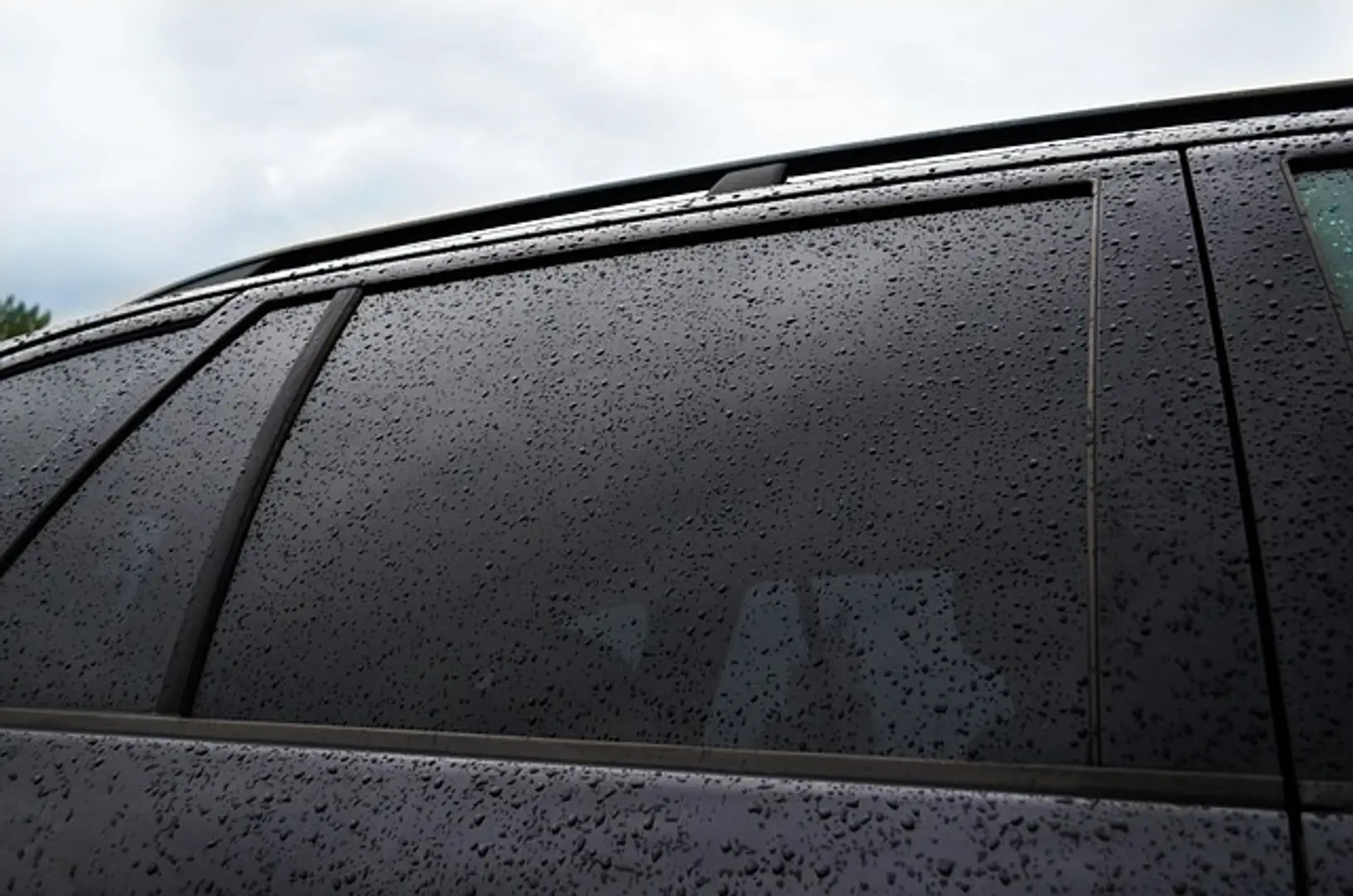
The actual appointment tends to take longer than expected. While it might seem like a simple job, most installations require anywhere from two to four hours. First, the windows are deep-cleaned. Even tiny specks of dust can cause imperfections, so attention to detail matters. Then, the film is carefully measured, cut, and shaped to fit the curves of each window.
A detail that surprises some - window film is applied from the inside. It’s a meticulous process. There’s no margin for rushed application. Bubbles, creases, or misalignment aren’t just cosmetic issues. They can weaken the film over time or lead to peeling.
The adhesive and cleaning products also leave behind a light smell. It fades within a few days, but it’s noticeable at first, especially in warmer weather.
Aftercare and Patience
Post-installation, a few things can throw people off. For one, windows must stay rolled up for at least a few days. Rolling them down too early can lift the edges of the film and cause permanent damage. This can happen purely out of habit—something many learn the hard way.
Another point of concern for some is the temporary hazy or foggy appearance of the film. Tiny water bubbles may be visible under the surface. These aren’t mistakes. They clear up on their own as the film cures. Depending on the weather and film type, full curing can take a week or two.
No cleaning should be done during this time, either. Just leave the windows alone and let the film settle.
The Final Result
Once cured, the difference is subtle but real. Inside the car, the sunlight feels softer. The cabin stays cooler on hot days. The windows gain a slight reflective quality from the outside, but not enough to feel overly tinted. That balance between performance and appearance is what makes a quality job stand out.
It also adds a kind of psychological comfort. The car feels a bit more private, a little more insulated from the chaos outside. Even if the change is small, it’s a change that’s felt each time the door closes and the drive begins.
A Note on Long-Term Quality
Window tint film for cars varies widely in quality. Some films hold their color and performance for years, and others fade within one summer. That’s where the choice of shop and materials really matters. Some warranties cover the film for the life of the vehicle. Others might not offer much beyond 30 days.
It’s worth asking upfront. A cheaper option might seem appealing initially but could lead to a do-over not far down the road.
Final Thoughts
Getting car window tints isn’t quite the five-minute add-on some imagine. It’s a process, from deciding on the right film to letting it cure properly. But when done thoughtfully, it’s one of the most satisfying upgrades a car can get. It changes not just how the car looks but how it feels to drive - quieter, cooler, and more comfortable.
There has been no dramatic transformation, no flashing sign. It has been just a quiet improvement that makes the daily drive a little bit better.
Related Posts
© 2025 Invastor. All Rights Reserved
User Comments