
Ai Content Generator
Ai Picture
Tell Your Story


 Daniel Salvatore
The Ultimate Guide to Off-Road Equipment
There’s something about off-roading that’s hard to explain to someone who’s never done it. It’s more than just driving through dirt. It’s unpredictability, challenge, and, oddly enough, quiet. The kind of quiet you don’t get on a paved road, where you’re too busy watching for speed traps and lane merges. Out here, your concerns shift. You start thinking about traction, clearance, torque. Whether you packed enough water. Whether the trail still exists past that ridge.
But before any of that happens, you need the right gear, like custom rims and tires, before the dust, the mud, and the stuck-in-the-middle-of-nowhere moments. Not just the shiny upgrades but the kind of equipment that keeps you safe, mobile, and maybe even comfortable. This guide isn’t exhaustive (what guide really is?), but it should cover the essentials. Plus, a few extras that, frankly, just make the ride better.
Tires and Suspension: The First Layer of Defense
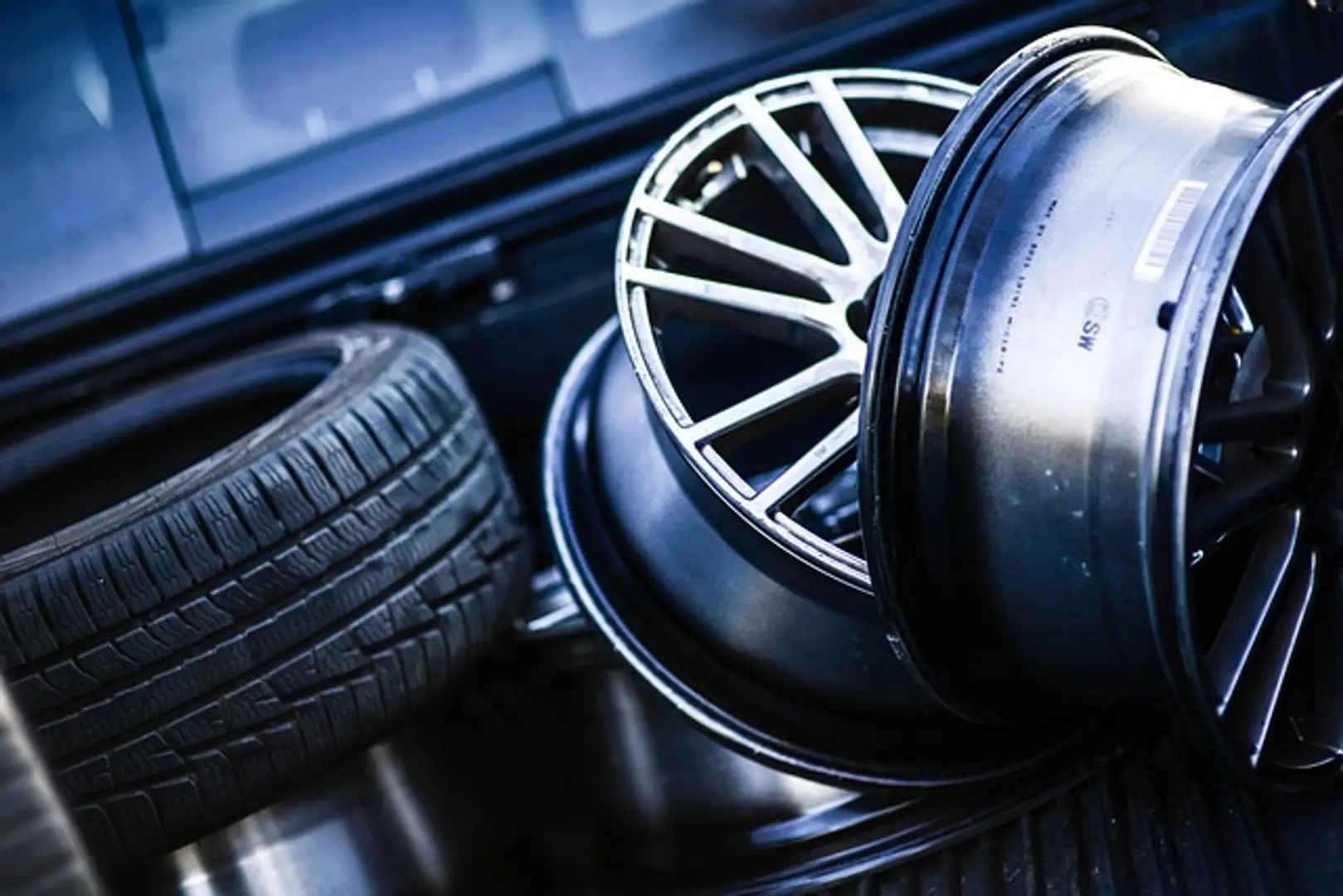
If your tires aren’t ready, you’re not ready. That’s rule number one. Off-road tires aren’t just “bigger” versions of what you already have. They’re engineered differently. Tread patterns are deeper and more aggressive. Sidewalls are thicker. And while they don’t glide on highways, that’s not what they’re for. They claw through gravel, mud, sand, and sometimes even snow, giving you grip when grip feels impossible.
Suspension upgrades matter just as much. It’s not only about lift kits for show (though, let’s be honest, they do look good). It’s about giving your vehicle the clearance it needs to move over rocks and ruts without damaging the undercarriage. A proper off-road suspension absorbs impact better too. That means fewer spine-jarring hits and more control when the terrain turns unpredictable.
Navigation and Communication Tools
A lot of people still rely on their phones for navigation. Fair. But a GPS signal isn’t a given once you’re deep into the wilderness. A standalone GPS system, something rugged, weatherproof, and designed for off-grid use, is a better bet. Look for one with topographic maps and real-time location sharing, especially if you’re traveling in a group.
Communication can’t be overlooked either. Cell signal dies quickly out there. Two-way radios, or even better, a mesh intercom system, can keep you connected with fellow riders. I’ve been in situations where just knowing the other vehicle was 500 feet ahead, even if you couldn’t see them, made all the difference.
Recovery Equipment: The Gear You Hope You Never Use
Here’s the part of the kit no one wants to touch, but you’ll be glad you have it when the time comes. A recovery strap, D-ring shackles, traction boards, and a good winch are non-negotiables. Even experienced off-roaders get stuck. Sand dunes that look firm collapse under tires. Mudholes that seem shallow go axle-deep.
Don’t skimp on the shovel either. And not the flimsy kind. A solid, full-size (or high-quality folding) shovel is one of the simplest tools but also one of the most versatile.
Lighting and Visibility
The sun doesn’t wait for you to finish your trail. And once it’s down, visibility becomes a real issue. Off-road lighting, like LED bars, fog lights, and even rock lights under the chassis, makes night rides not just easier but safer. It’s not about blinding everything in sight. It’s about being able to see that dip or drop-off five seconds before you’re in it.
And to ensure others see you, especially in dusty or forested areas, consider marking your vehicle with small reflectors or auxiliary lights at the rear. Overkill? Maybe, but better that than invisible.
Custom Comfort: Not Just Luxury
This part is a bit more personal. Some off-roaders strip things down to bare essentials. Others, myself included, add a few touches that make long days in the wild more tolerable.
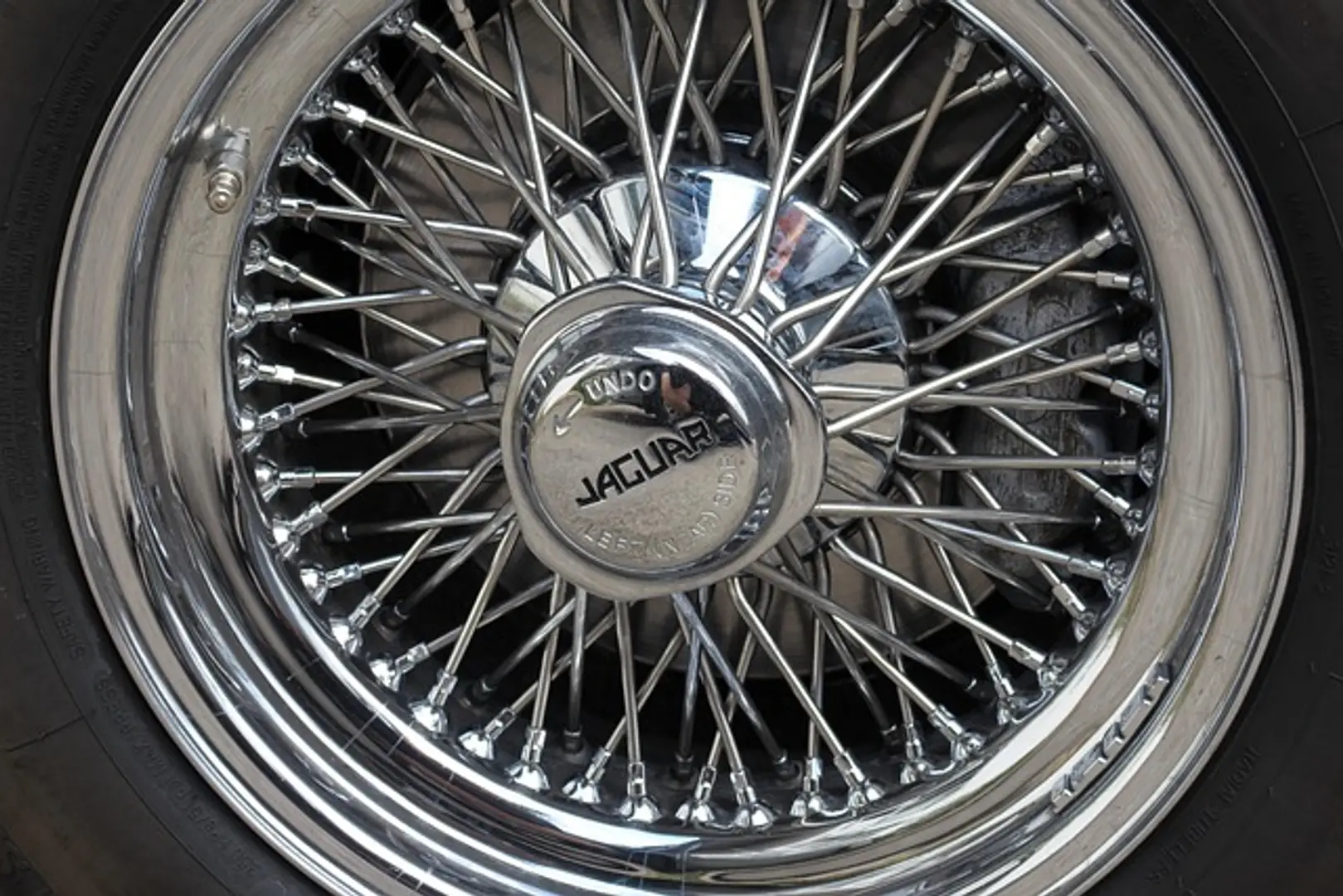
Take custom rims and tires, for instance. Sure, they add personality to your ride, but they can also offer improved durability and better fitment for upgraded suspensions or oversized tires. Form meets function.
And then there’s window tinting. Not everyone thinks of it as off-road gear, but in hot sun or snowy glare, good tinting reduces eye strain, keeps your interior cooler, and provides just a bit more privacy when you’re sleeping in your rig or changing shirts after a long hike. If you’re local, a place like window tinting in Woodbridge, VA, might be worth checking out. They’ll know how to tint for both function and legal compliance.
Odds and Ends (That Aren’t Really Optional)
A few last items don’t fit neatly into categories, but they matter just as much:
1. A reliable first aid kit (and the knowledge to use it)
2. Portable air compressor and tire deflator
3. Fire extinguisher
4. Headlamp or handheld flashlight
Plenty of water and snacks
There’s a temptation to keep adding gear. I’ve seen rigs packed so full they rattled like toolboxes. It’s a fine line between prepared and overloaded. You’ll figure out your balance over time. Part of the fun is learning what you need, what you don’t, and what you thought you’d never use but ended up saving the day.
Final Thought
This guide scratches the surface. Off-roading isn’t just a hobby. It becomes a mindset. You start to see the weather differently. Terrain becomes something you read like a book. And your vehicle turns into more than transportation. It becomes a partner.
So build it right, pack smart, and go explore. Just maybe let someone know where you’re going first.
Related Posts
© 2025 Invastor. All Rights Reserved
User Comments