
Ai Content Generator
Ai Picture
Tell Your Story


 Parker Smith
How to Start a Frozen Food Business: A Detailed Roadmap from Kitchen to Global Market
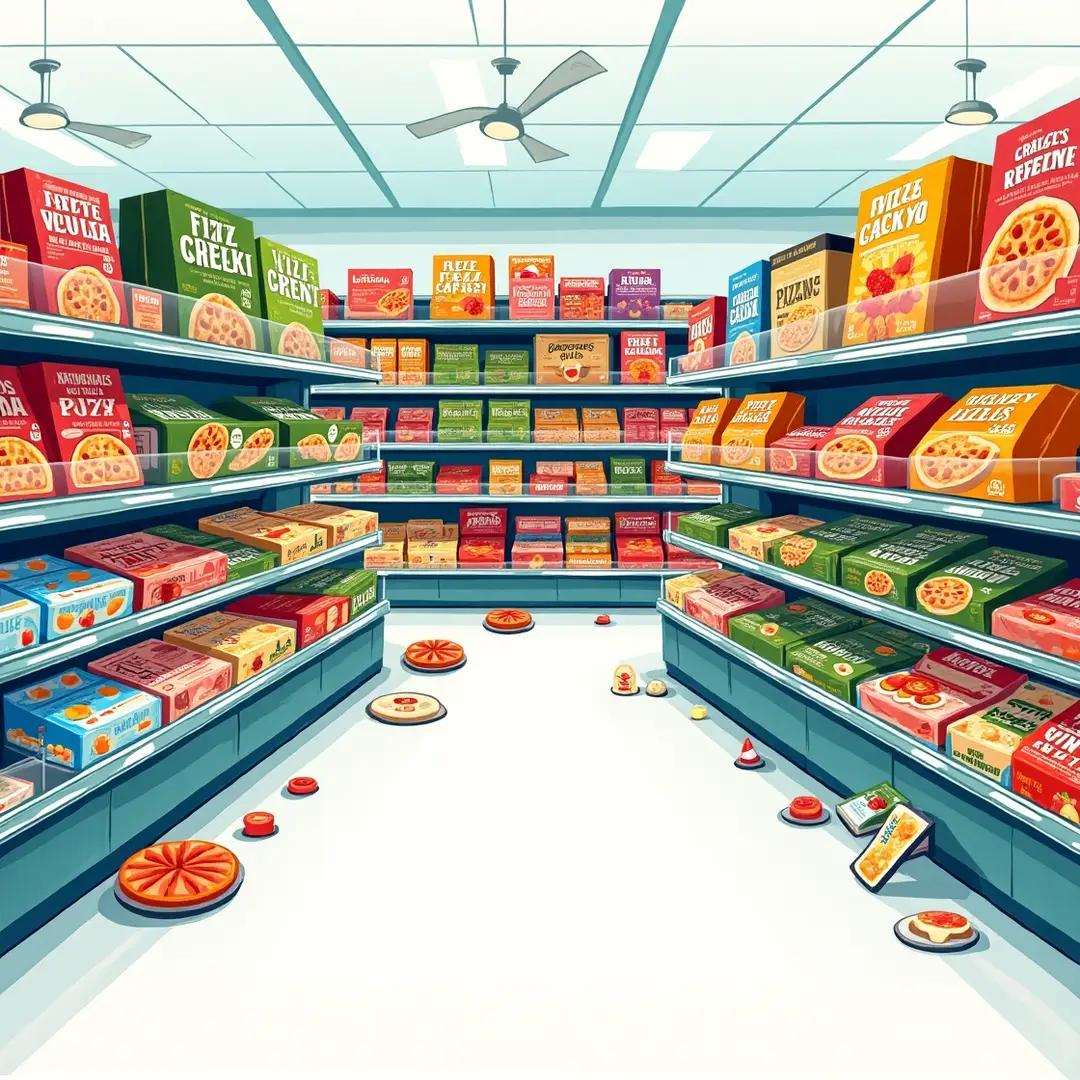
Have you ever dreamed of turning your cooking skills or food passion into something bigger? Something that not only earns you money but also serves modern families looking for quick, healthy, and delicious meals?
Welcome to the world of frozen food business—a booming industry full of opportunity, scalability, and global potential.
Starting a frozen food business isn’t just about selling meals from a freezer. It’s about building trust, maintaining quality, and solving real-life problems for people who want nourishment on the go.
In this guide, we’ll walk you through everything—from idea to operation to international expansion—with a personal, practical, and professional touch.
Why Now Is the Perfect Time to Start a Frozen Food Business
Time has become the most valuable currency. Consumers crave convenience, but not at the cost of health. This shift has triggered massive growth in the frozen food market.
Stat Check: According to Allied Market Research, the global frozen food market is projected to reach $504.4 billion by 2030, growing at a CAGR of 4.2% from 2022.
This demand isn’t just a trend—it’s a transformation. And it’s why smart entrepreneurs are diving into frozen foods manufacturing and building brands that make a lasting impact.
Step 1: Define Your Frozen Food Niche with Heart and Strategy
Before you start cooking or freezing, you need to define who you’re serving and what you’re offering.
Ask yourself:
Are you creating meals for working professionals?
Healthy options for fitness-conscious individuals?
Ethnic or traditional meals for diaspora communities?
Vegetarian, vegan, or gluten-free offerings?
Examples of frozen food niches:
Ready-to-eat meals (like lasagna, biryani, stir fry)
Frozen snacks (spring rolls, samosas, empanadas)
Smoothie packs and frozen fruits
Gourmet frozen desserts
Pro Tip: The more specific your niche, the easier it is to build brand loyalty and create a premium product.
Step 2: Draft a Solid Business Plan with Clear Intentions
No dream becomes real without a plan. Your business plan should lay the foundation for everything from initial setup to future partnerships with a global frozen food supply company.
Key components of your plan:
Business goals (short and long term)
Target market demographics
Menu or product list
Production method (manual, semi-automated, or industrial)
Estimated startup costs and capital sources
Distribution strategy (retail, online, or export)
If you aim to grow beyond your local area, include a roadmap for cold chain logistics and international compliance in your plan.
Step 3: Set Up Your Frozen Food Production Facility
Your workspace needs to meet hygiene standards and preserve food quality at every stage. Whether it’s a home-based setup or a commercial unit, your frozen food production must be legally compliant and safe.
Equipment you’ll likely need:
Commercial kitchen tools (cookers, prep stations)
Blast freezer or IQF freezer
Food-grade packaging and sealing machines
Cold storage facility or freezer room
Delivery van with refrigeration (or a third-party cold logistics partner)
Important Note: Never use a standard freezer for production—blast freezing locks in taste, nutrients, and texture, ensuring your brand stands out in quality.
Step 4: Legal Licensing and Food Safety Certifications
Trust is everything in the food business. You’ll need to follow national and local regulations, which often include:
Business registration and tax ID
Food safety license or certification
Health inspection reports
Product labeling requirements (including nutrition facts and expiry date)
Cold chain management compliance (especially if exporting)
If you plan to collaborate with a global frozen food supply company, these certifications aren’t just useful—they’re mandatory.
Step 5: Create an Emotionally-Driven Brand That Feels Personal
Great brands don’t just sell products—they sell stories.
People want to know what’s in their food, but also why you made it. Share your backstory, your values, and your mission.
For example:
“Meals inspired by my grandmother’s recipes—now frozen to stay fresh for your family.”
“Born out of my struggle to find clean, healthy snacks after work.”
Also, design attractive packaging that reflects your identity and communicates trust—people eat with their eyes first.
Step 6: Market Smartly—Online and Offline
Once you have your product and brand ready, it’s time to find customers.
Local Strategies:
Get listed in supermarkets and grocery stores
Attend farmer’s markets or food expos
Partner with gyms or health food cafes
Online Strategies:
Build a website with online ordering
Use Instagram or TikTok to showcase “behind the scenes”
Collaborate with food bloggers or health influencers
And if you’re thinking globally…
Step 7: Scaling Your Frozen Food Business Globally
Once you’ve refined your frozen foods manufacturing process, you can grow beyond borders. Exporting to countries with large diaspora communities or growing demand for your cuisine can be incredibly profitable. At this stage, every detail—from temperature-controlled logistics to how your product is preserved and presented—plays a crucial role in building consumer trust and maintaining food integrity across long distances.
You can:
Apply for export licenses
Use third-party logistics companies for global cold shipping
Partner with a global frozen food supply company that handles overseas distribution
Brands that started small, like Amy’s Kitchen or Deep Indian Kitchen, now sell across continents. Yours could be next.
Emotional Takeaway
Every frozen meal you create gives someone time—time to breathe, to relax, or to reconnect with family. That’s powerful.
As you take your first step in learning how to start frozen food business, remember that success isn’t just measured in profit, but in the comfort and nourishment you deliver to people’s lives.
With passion, planning, and persistence, your frozen food business can grow from a single spark into a global presence.
Related Posts
© 2025 Invastor. All Rights Reserved
User Comments