
Ai Content Generator
Ai Picture
Tell Your Story

%20(1).webp&w=256&q=75) krisala developers - (Krisala Developers)
krisala developers - (Krisala Developers)The Future of Urban Living: How Krisala Is Leading the Smart Home Revolution
In the past decade, urban real estate has evolved at an unprecedented pace, driven not just by infrastructure, but by the expectations of a new generation of homebuyers. Today’s buyers aren’t just looking for square footage - they’re looking for a lifestyle. And at the heart of this transformation is a strong demand for smart living solutions that seamlessly blend convenience, connectivity, and conscious living.
So what does smart living really mean in 2025? And how are forward-thinking developers responding to these evolving demands?
The Rise of the Tech-Savvy Homebuyer
Millennials and Gen Z now form a significant portion of homebuyers, especially in growing metros like Pune. These buyers are digitally native and experience-driven. For them, a home isn’t just a place to stay - it’s a place to live better. That means intuitive features, digital controls, efficient energy usage, and heightened security - essentially, homes that think ahead.
This shift is reshaping how residential spaces are planned and built. It’s no longer about just offering luxury; it’s about offering intelligence.
Homes That Understand You
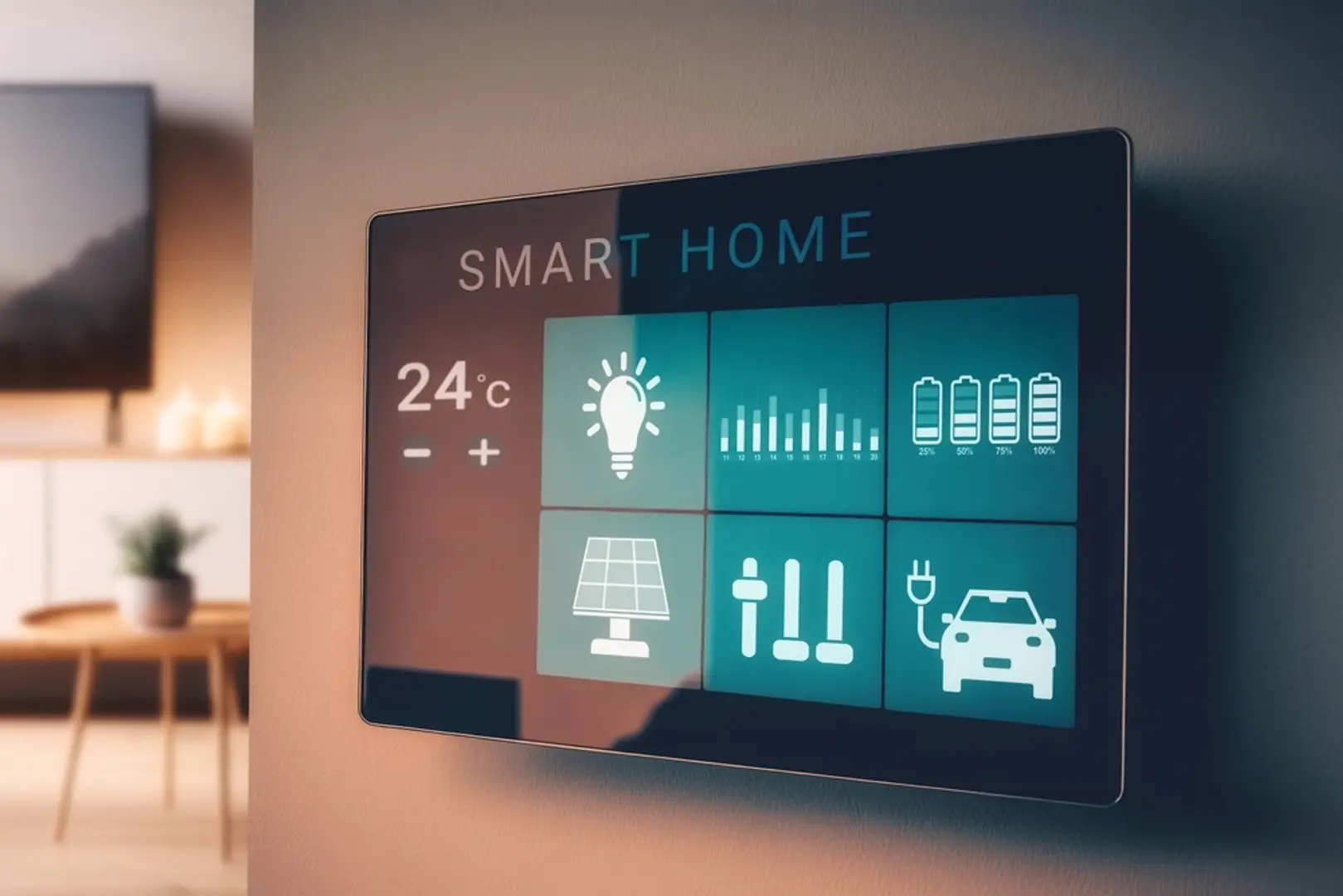
A truly “smart” home isn’t one that just responds to voice commands - it’s one that learns from your routines. Features like motion-sensor lighting, app-based climate control, and centralized security monitoring are quickly becoming standard expectations rather than premium upgrades.
For example, some developers are already integrating Wi-Fi zones across homes, offering multi-device control for everything from lighting to entertainment systems. And these aren’t just conveniences - they’re part of a bigger promise: to simplify daily life while being mindful of energy and time.
From Convenience to Conscious Living
Smart homes are also making urban living more sustainable. Automated systems help reduce wastage by ensuring energy is used only when needed. And with rising environmental consciousness among today’s homeowners, this factor is more than just a bonus - it’s a requirement.
Developments that incorporate these features aren’t just meeting market trends - they’re shaping the future of urban living. And some names are doing this better than others.
Setting a New Standard for Urban Living
One such example can be found in The Future of Urban Living: How Krisala Is Leading the Smart Home Revolution. The piece dives deep into how innovation is being embedded into the fabric of modern housing through smart tech - highlighting digital security systems, automation, and app-connected features that elevate everyday living.
It’s this kind of foresight that sets the new standard for what urban housing should be.
What This Means for Investors and First-Time Buyers
Whether you’re an investor looking for value appreciation or a first-time buyer aiming for comfort and convenience, projects with built-in smart tech offer better ROI in the long run. Not only do they hold greater resale value, but they also appeal to tenants who prioritize a connected lifestyle.
Final Thoughts
The future of real estate isn’t in taller buildings - it’s in smarter ones. As homebuyers evolve, so must the homes they move into. With technology driving the next chapter of urban growth, developers who understand this shift - who are building not just homes but intelligent living experiences - are the ones leading the way.
It’s no longer a question of whether smart homes are worth the investment. It’s a question of who’s already living in one.
Related Posts
© 2025 Invastor. All Rights Reserved
User Comments