
Ai Content Generator
Ai Picture
Tell Your Story

 Secu Viz
Key Features to Look for in a Visitor Access Control System
Choosing the right visitor access control system is crucial for modern offices looking to balance security, efficiency, and visitor experience.
With an increasing focus on safeguarding premises while maintaining a seamless check-in process, businesses now recognize the need for advanced systems that go beyond just monitoring who enters the building.
But with the wide range of solutions available, what features truly set an effective visitor access control system apart?
Let’s explore -
Robust Security Features
Security is the backbone of any visitor access control system. A robust system should include features like real-time monitoring, photo ID capture, and badge printing. These tools ensure that every visitor is accurately documented, minimizing the likelihood of unauthorized access.
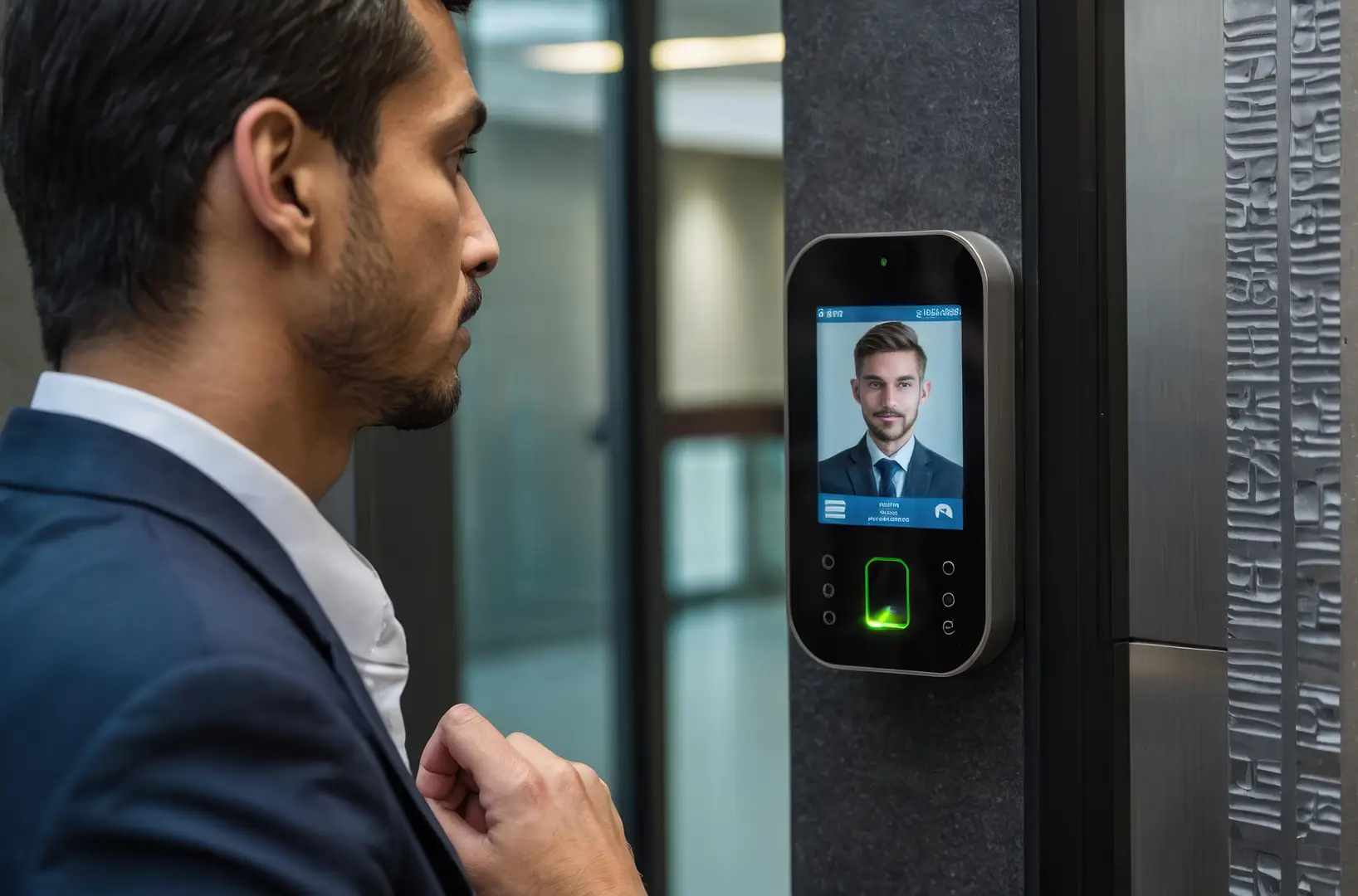
Advanced features such as facial recognition or biometric scanning further elevate security by making access nearly foolproof.
For example, offices that handle sensitive data or intellectual property benefit greatly from systems with multi-layered security measures.
Visitor credentials can even be tied to specific times or areas, ensuring tighter control over movement within the building.
A strong security infrastructure not only protects physical assets but also assures employees and stakeholders that the environment is safe.
User-Friendly Interface
A sophisticated access control system is of little use if visitors and staff can’t easily interact with it.
Ease of use is key to creating a positive first impression and ensuring seamless adoption by office teams.
Look for systems with intuitive interfaces, such as touchscreen kiosks or mobile apps that guide visitors through the check-in process with minimal confusion.
For example, a self-service kiosk that allows guests to check in using a QR code or pre-sent invitation reduces reception desk queues and speeds up the entire process.
User-friendly systems also enable receptionists and security staff to manage and monitor visitor data efficiently without relying on exhaustive training.
Integration Capabilities
Modern offices rely on a variety of technologies to keep operations running smoothly.
Your visitor access control system should integrate seamlessly with existing tools, such as employee communication platforms, building management systems, and surveillance networks.
For instance, when a visitor checks in, the system could send an instant notification to the host via platforms like Slack or email.
Similarly, integration with access control or elevator systems can automate processes like granting door or floor access. These integrations not only simplify workflows but also make data sharing across systems more uniform and reliable.
Scalability for Future Growth
A visitor access control system should grow with your organization.
Whether you’re expanding to multiple office locations or increasing visitor capacity, scalability ensures that the system keeps pace with your needs.
Flexible systems can handle larger databases, more complex workflows, and additional integrations as your business evolves.
Consider companies that frequently host large events or conferences. Their access control systems need to manage a sudden influx of hundreds of attendees without compromising security or efficiency.
Scalable solutions with cloud-based infrastructure allow for such adaptability, ensuring the system remains reliable even during peak use.
Remote Management and Cloud Support
With hybrid work setups and the rise of decentralized teams, the ability to manage visitor access remotely is now a must-have feature.
Cloud-based visitor management systems like SecuViz provide administrators with the flexibility to monitor and control access from anywhere.
For example, an office manager can approve visitor requests, generate guest passes, or pull detailed reports on visitor activity, all without being physically present at the site.
Cloud support also simplifies system updates, ensuring that your access control remains up-to-date with the latest security protocols.
Data Compliance and Reporting
Data security and privacy regulations are top concerns for modern businesses.
A visitor access control system should comply with rules like GDPR or CCPA and provide transparent data handling policies.
Additionally, it should include features like consent management and secure data storage to protect visitor information.
Detailed reporting is another critical feature for long-term benefits.
Systems that offer insights into visitor patterns, peak times, and host activity can help businesses optimize processes and improve resource allocation.
For regulated industries, having audit-ready logs ensures compliance with legal requirements.
Enhanced Visitor Experiences
Beyond functionality, a great access control system should prioritize visitor comfort. Features like pre-registration, multilingual support, and personalized greetings create a welcoming atmosphere.
Visitors feeling valued and cared for are more likely to have a positive impression of your business.
Imagine a solution where visitors receive an invitation email that includes all the necessary instructions, parking directions, and even Wi-Fi credentials.
Such attention to detail not only streamlines the visit but also showcases the professionalism of your organization.
Conclusion
An effective visitor access control system is about more than just managing entries and exits. It’s a comprehensive solution that strengthens security, streamlines processes, integrates seamlessly with other tools, and creates a memorable visitor experience.
Businesses that prioritize these key features will not only enhance safety but also build an environment where employees and guests feel confident and comfortable.
Investing in the right system today ensures your office is poised to handle tomorrow’s challenges with ease and efficiency.
Carefully evaluate your needs, explore the available options, and select a system tailored to your unique requirements. By doing so, you set the stage for a smarter, safer, and more productive workplace.
Related Posts
© 2025 Invastor. All Rights Reserved
User Comments