
Ai Content Generator
Ai Picture
Tell Your Story


 Tod Malicoat
Why “Safe” Baby Clothes Might Not Be So Safe (And What You Can Do About It)
When you walk down the baby aisle at any major retailer, you’re surrounded by soft onesies, plush toys, and adorable accessories—all claiming to be perfect for your little one. But here’s the truth that many parents don’t know: not all baby clothes and toys are as safe as they seem.
In fact, many of the most popular baby products on the market are made with synthetic materials, toxic dyes, and chemical finishes that can irritate a baby’s delicate skin—and even pose long-term health risks.
Why Organic Isn’t Just a Trend—It’s a Safer Choice
Organic baby clothes and toys are made from materials grown and produced without the use of toxic chemicals, GMOs, or unsafe additives. That means no formaldehyde resins, no azo dyes, and no synthetic pesticides lingering in the fabric or toy surface.
Organic cotton, for example, is softer, more breathable, and far less likely to trigger skin irritation or allergic reactions. Likewise, untreated wood and food-grade dyes used in many organic toys are a safer alternative to painted plastics or synthetic fabrics.
When you choose organic, you’re not just buying a product—you’re buying peace of mind.
The Hidden Dangers in Conventional Baby Products
Most conventional cotton used in baby clothes is grown using a heavy mix of pesticides, insecticides, and chemical fertilizers. These substances don’t just disappear once the cotton is harvested. Trace amounts can remain in the fibers, making their way into your baby’s wardrobe—and right onto their skin.
On top of that, many baby toys are made with petroleum-based plastics, flame retardants, and dyes containing heavy metals. While these chemicals might meet minimum safety standards, growing research suggests that even low levels of exposure can affect babies’ developing systems.
But Does It Really Make a Difference?
Yes. And not just for your baby, but for the planet and the people who make these products too. Organic farming uses less water, protects soil health, and keeps harmful chemicals out of waterways. Workers aren’t exposed to toxic chemicals, and your baby isn’t either.
Plus, organic clothing tends to last longer. The fibers haven’t been broken down by harsh treatments, so the clothes hold up better through wash after wash—and often get passed down to siblings or friends.
Where to Start
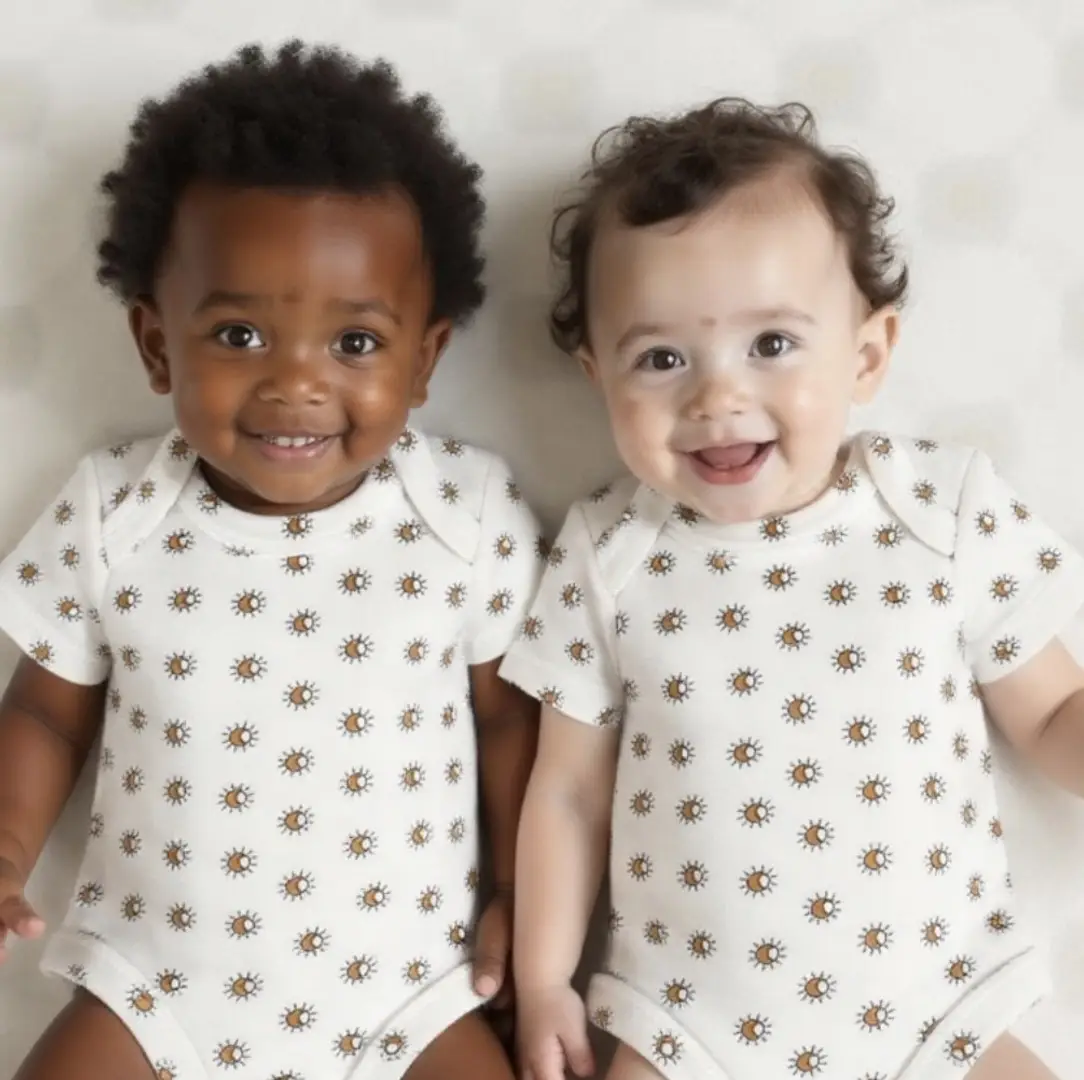
If you’re ready to make the switch but overwhelmed by options, start small. Choose organic bodysuits for newborns, swap out plastic teethers for wooden alternatives, or gift organic toys instead of mass-produced plushies.
Brands like Finn + Emma offer beautifully made, certified organic baby clothes and toys that meet the highest safety and sustainability standards. One thoughtful swap at a time can go a long way.
Final Thought
The baby industry is full of cozy packaging and cute designs—but not always transparency. As parents, caregivers, and conscious consumers, we have the right to ask: what’s really touching our babies’ skin, and is it as safe as it should be?
Choosing organic isn’t about being perfect. It’s about making informed decisions—and doing a little better when we can.
Related Posts
© 2025 Invastor. All Rights Reserved
User Comments