
Ai Content Generator
Ai Picture
Tell Your Story

 Dr Jasmeet Bindra
The Silent Threat to Your Smile: Understanding Cavities and How to Fight Back
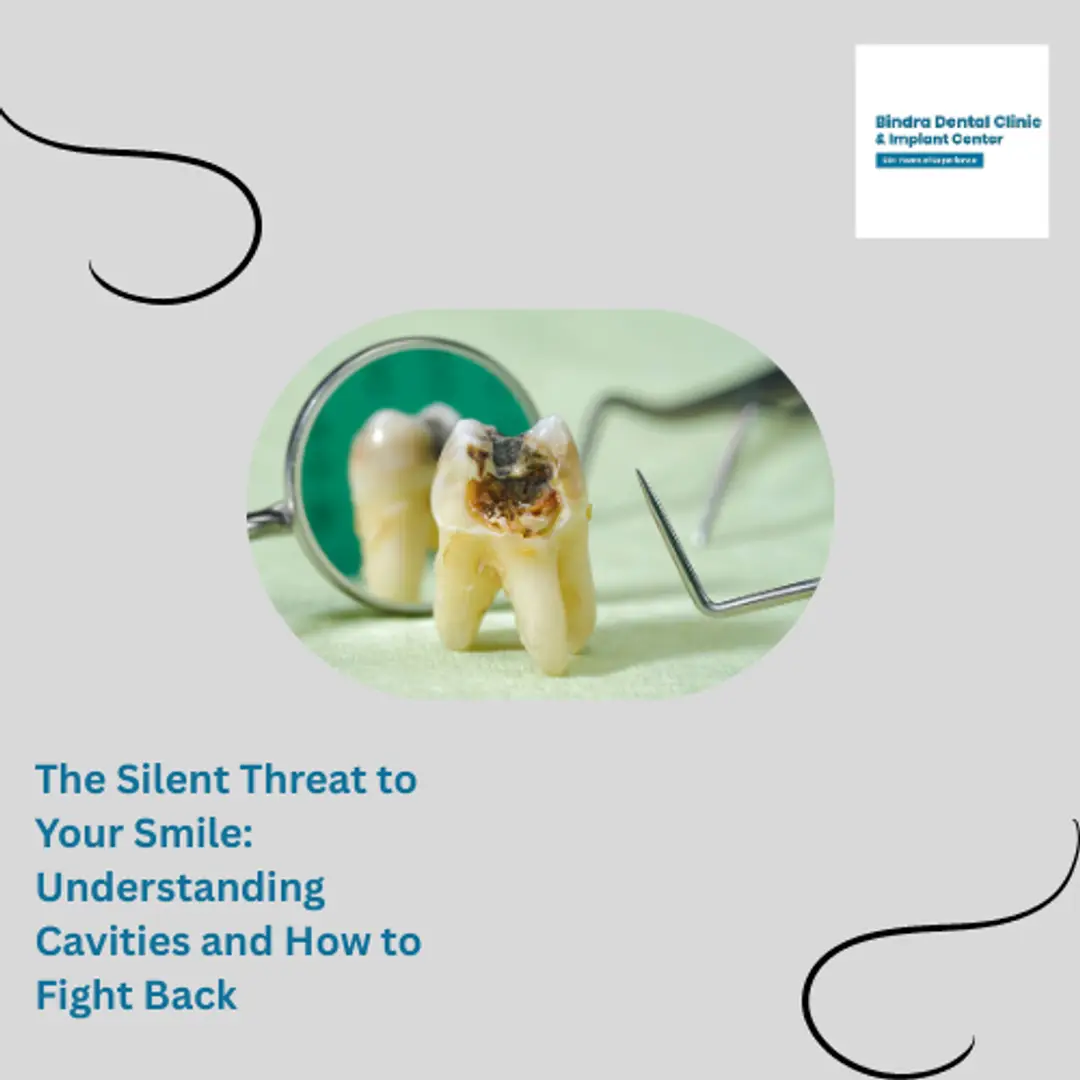
Though cavities are one of the most common oral health issues around the globe, they often remain unnoticed until considerable harm is done. The tiny holes in teeth may seem harmless at the beginning, but many pains begin once severely infected, finally becoming tooth loss if untreated. It is therefore imperative to know the symptoms, causes, and treatments of cavities in order to have a healthy, confident smile.
Cavities - Symptoms, Causes, and Treatments
Cavities develop as seawater slowly erodes the enamel due to the plaque. Basically, plaque is a sticky film of bacteria which produce acids that slowly eat away at the enamel of the teeth, creating spaces through the teeth. A cavity rarely comes with obvious symptoms in its early stages, hence the need for regular dental check-ups.
The Symptoms of Cavities
- Early detection of cavities prevents more serious dental problems. Some of the common symptoms of cavities include:
- Sensitivity to heat and cold: Painfulness will present when drinking hot coffee or freezing ice-cold drinks, and this could be a sign of enamel erosion.
- Tooth pain: There are occurrences that you feel pain which is either dull or sharp especially when you are biting, and this could be an indication of cavity.
- Visible holes or dark spots: Its presence can usually be felt in small holes, pits, or dark stains on the tooth surface.
- Bad breath and foul taste: The buildup of bacteria in the compromised teeth may cause bad breath.
If any of these symptoms have been observed, it is good and urgent to visit a dental professional before further damage occurs.
Understanding the Causes of Cavities
Things that contribute to cavities: Poor dental hygiene is the principal culprit, but other factors include:
- Excess sugar consumption: Sugar feeds the bacteria in the mouth; this than produces excessive acid leading to cavities.
- Continuous snacking: Sugars and starches from foods eaten between meals give bacteria chances to create more acids that are harmful.
- Dry mouth: Saliva is the natural remedy for the neutralization of acids and serves to wash away debris. When there is less saliva, the chance of dental cavity formation increases.
- Poor dental care habits: Irregular brushing and flossing would allow the formation of plaque, so keeping the chance of decay open.
- Knowing about these would enable the candidate to take effective measures to maintain the health of the matches.
Treatment Measures That Work on Cavities
If cavities have developed, immediate treatment must be provided to remove complications. The common treatments for cavities are:
- Fluoride treatment: When detected early enough, fluoride can counter the weakening of the enamel, halting the progress of cavities.
- Filling of cavity: In an average kind of cavity, restoration is done with composite or amalgam after the diseased portion is removed by the dentist.
- Root canal therapy: Of the decay invading deep into the pulp, the root canal removes about one-fifth of the infected tissue and retains the tooth.
- Crowns: Severe cases might require crowns to cover the affected tooth, restoring its function.
- Early intervention can be assured through a proactive approach in proper oral hygiene and regular dental check-ups.
Preventing Cavities for a Healthy Smile
While treating cavities is possible, preventing them is better. Some simple habits can help greatly in avoiding tooth decay:
- Brush and floss: Brushing regularly twice a day and flossing once a day keep plaque away.
- Use fluoride-containing toothpaste: Fluoride feeds the enamel and combats cavities.
- Limit sugar consumption: Sugar feeds the bacteria; less sugar means fewer bacteria.
- Stay hydrated: The body loses too much water during the day, and an adequate flow of saliva further helps keep it in check.
- Routine check-ups: Time-to-time dental visits make sure cavities become known early and are subsequently treated before they become major issues.
- By keeping with a preventive-conservative approach, you protect your teeth from cavity formation and preserve their strength and health.
Conclusion
Cavities seem like smaller distresses with their share of infliction. When left untreated, the harm from cavities can outlast several days during which you will be battling for recuperation. You might as well save all that pain and cost of treatment by diagnosing the condition early, learning about their causes, and getting fast treatment. A vigorous oral hygiene regime will certainly reward you with that shining smile, minus the pain, numerous years into the future.
Let us rally against cavities and protect our smiles—starting today!
Related Posts
© 2025 Invastor. All Rights Reserved
User Comments