
Ai Content Generator
Ai Picture
Tell Your Story

 Jenna Walter
What Makes a Restaurant Menu Design Truly Effective?
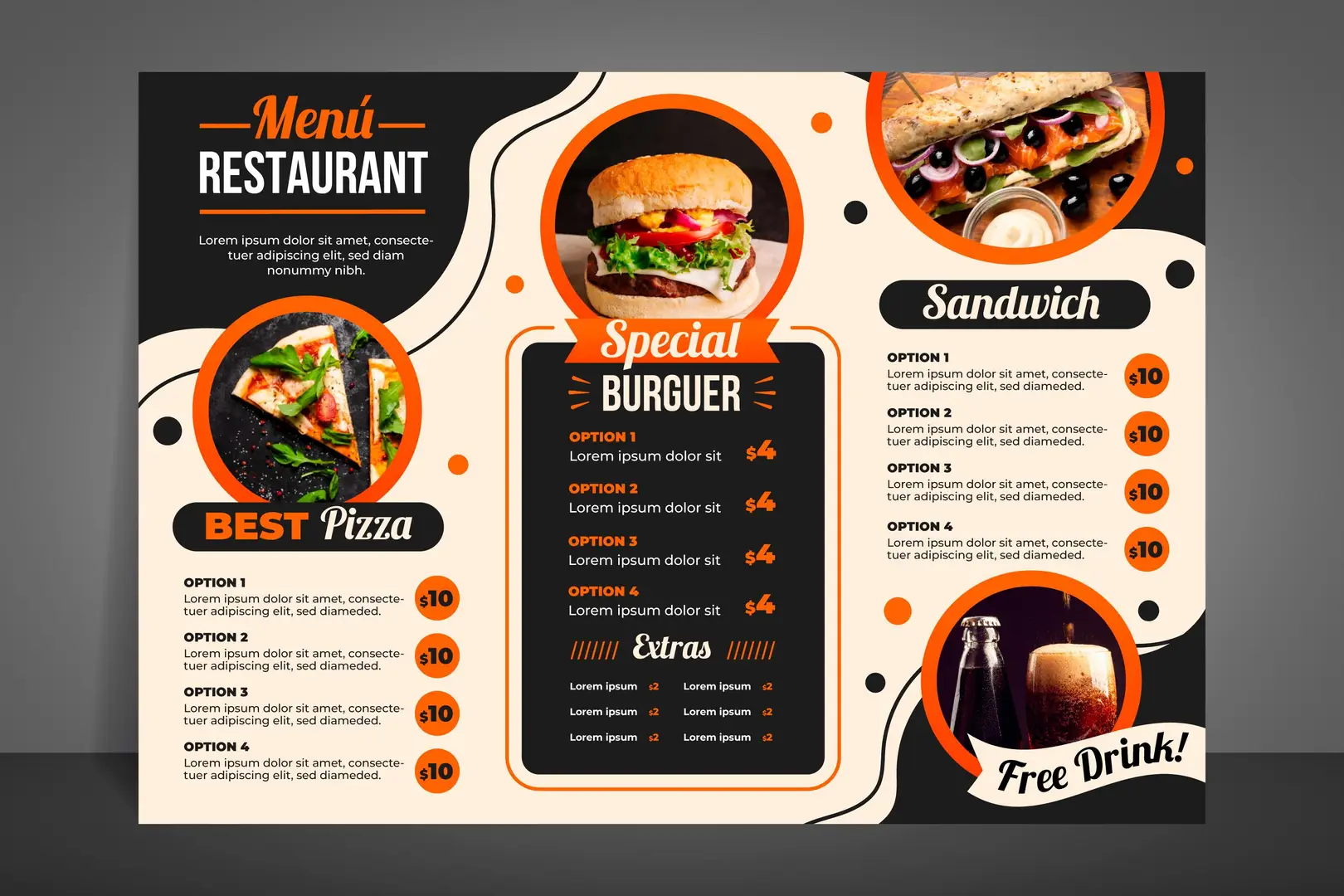
The restaurant menu is more than just a list of items and prices—it’s a strategic communication tool that shapes customer expectations, influences purchasing decisions, and reflects a restaurant’s brand identity. An effective restaurant menu design can significantly impact a restaurant’s profitability and customer experience. But what exactly makes a menu design truly effective? It’s a blend of psychology, aesthetics, branding, and practicality.
Understanding the Role of the Menu
Before diving into design specifics, it’s crucial to understand the role of the menu. It serves as a restaurant’s silent salesperson, guiding diners through their options and subtly encouraging them to spend more. A well-designed menu does this through intentional layout, choice architecture, and visual cues. The goal is to lead customers toward high-margin dishes while making the experience feel personalized and intuitive.
Strategic Layout and Flow
One of the most important aspects of a successful restaurant menu design is its layout. Effective menus are structured to guide the eye naturally and highlight specific items. The most common menu scanning pattern is the “Golden Triangle,” where a diner’s eyes first land on the center, then move to the top right, and finally to the top left. These prime real estate areas should feature high-profit or signature items.
Grouping similar items into sections (such as appetizers, mains, desserts, beverages) provides clarity and ease of navigation. Within these sections, keeping the item count between 5 to 7 choices helps reduce decision fatigue, making it easier for guests to choose without feeling overwhelmed.
Typography and Readability
Typography plays a critical role in menu effectiveness. The font must align with the restaurant’s overall brand identity while also ensuring readability under various lighting conditions. A fine-dining establishment might opt for a serif font to evoke elegance and tradition, while a hip café might lean toward modern sans-serif fonts for a contemporary feel.
Font size should be large enough for comfortable reading, especially for older patrons. Important elements like section titles and featured dishes can use a bolder or slightly larger font to create hierarchy and guide the reader. Overly decorative fonts should be avoided for item descriptions or prices, as they hinder clarity.
Visual Hierarchy and Highlighting Techniques
Designers use visual hierarchy to draw attention to specific parts of the menu. Techniques like boxes, bolding, color changes, icons, and images can all highlight high-margin items or chef specials. However, restraint is key. Overuse of these techniques can clutter the menu and confuse the customer. When done right, subtle highlights help the restaurant nudge diners toward profitable choices without overt upselling.
For instance, a chef’s recommendation might be set apart with a star icon and a lightly shaded background. A “House Favorite” tag can also encourage trust and curiosity, leading diners to order what’s popular or time-tested.
Descriptive Language That Sells
Menu descriptions aren’t just about listing ingredients—they’re about selling an experience. Words matter. Descriptive, sensory language can increase sales by making dishes sound more appealing. Instead of listing “Grilled Chicken Salad,” describing it as “Tender herb-marinated chicken breast atop a crisp garden salad with house-made balsamic vinaigrette” paints a much more enticing picture.
However, the descriptions should strike a balance between creativity and clarity. Overly flowery language can come off as insincere or confusing. The most effective menus use evocative language that gives diners both a clear understanding of the dish and a reason to crave it.
Branding and Emotional Connection
A restaurant’s menu is a direct extension of its brand. Everything from the color scheme and typography to the language and layout should be consistent with the restaurant’s identity. A rustic, farm-to-table bistro might feature earthy tones and handwritten fonts, while a high-end steakhouse may prefer sleek lines and minimalist elegance.
Branding through menu design helps create an emotional connection. When customers feel that the menu aligns with the ambiance and overall experience, their trust in the establishment increases. This cohesion leads to better customer satisfaction and a higher likelihood of return visits.
Color Psychology in Menu Design
Color is a powerful psychological tool in menu design. Different colors evoke different emotions and even influence appetite. Red and yellow are known to stimulate hunger and are often used in fast-food menus. Green suggests freshness and health, making it ideal for vegetarian or organic eateries. Blue can be calming, though it’s rarely associated with food and may suppress appetite if overused.
Using color sparingly to accentuate specific items or sections can draw attention and create a visual hierarchy. It also helps reinforce the brand identity when used consistently with other branding elements in the restaurant’s interior and marketing materials.
Pricing Strategies and Presentation
While the price is a critical part of the menu, the way it’s presented can have a psychological impact. Research suggests that removing dollar signs or formatting prices without decimals (e.g., “12” instead of “$12.00”) reduces the emphasis on cost and encourages higher spending.
Strategic pricing, such as bundling meals or offering prix-fixe options, can also guide customers toward more profitable decisions. Anchoring is another tactic—placing a high-priced item near similar mid-priced items makes the latter appear more affordable and appealing.
Images: When to Use Them
Images can be powerful, but they should be used with discretion. In casual or family-friendly establishments, a few high-quality photos can whet appetites and boost sales. However, in fine dining environments, photos are often avoided as they may cheapen the experience.
If used, photos must be professionally taken and styled to match the restaurant’s aesthetic. Poor-quality or over-processed images can negatively impact perception and reduce customer trust in food quality.
Digital Menus and Interactive Experiences
With the rise of digital and tablet menus, restaurants have new opportunities to create interactive and personalized dining experiences. Digital menus can include dynamic content such as videos, rotating specials, and multilingual options. They also allow for real-time updates and upselling based on inventory or time of day.
QR code menus, popularized during the pandemic, offer convenience and hygiene benefits. However, they should still adhere to the principles of effective menu design: simplicity, clarity, and alignment with the restaurant’s branding.
Testing and Feedback
No matter how thoughtfully a menu is designed, its effectiveness ultimately comes down to how customers interact with it. Gathering feedback through surveys, sales data, and staff input is essential to refine the design. Are certain dishes underperforming despite prominent placement? Are guests frequently asking for clarification on items? These insights can help identify design flaws or opportunities to better align the menu with customer preferences.
A/B testing different versions of a menu—either digitally or through physical iterations—can provide valuable data. For instance, experimenting with the description or placement of a particular item can reveal what most effectively drives sales.
Conclusion
A truly effective restaurant menu design is a blend of art and science. It guides the customer journey from curiosity to decision with clarity, intention, and subtle persuasion. When done right, it enhances the dining experience, strengthens brand identity, and improves profitability. The best menus don’t just showcase food—they tell a story, evoke emotions, and create lasting impressions.
In today’s competitive dining landscape, a restaurant’s success can hinge as much on the thought behind its menu design as on the quality of its cuisine. Investing in strategic, well-crafted restaurant menu design is not just a creative exercise—it’s a business imperative.
Related Posts
© 2025 Invastor. All Rights Reserved
User Comments