
Ai Content Generator
Ai Picture
Tell Your Story

 Ashley Kinsela
The Ultimate Guide To Maintaining A Generator For Optimal Performance
Have you ever wondered how you’d keep the lights on when the power grid fails? Or maybe you’ve pictured the relief of hearing your generator hum during a wild Melbourne storm? Generators can be lifesavers during an unexpected blackout, but their effectiveness depends on solid care. In this post, we’ll break down everything you need to know. We’ll look at common generator problems, essential maintenance tips, and how to handle both standby and backup generator solutions.
You’ll discover the key differences between electric generators and diesel gensets, plus whether an inverter generator or a regular generator is your best bet. We’ll also dive into preventive maintenance of diesel generators, industrial generator upkeep, and practical ways to spot warning signs before they become serious issues. If questions like “How long do generators last?” or “Can I handle the servicing of a generator myself?” have ever crossed your mind, get ready to find those answers here.
By the end, you’ll have a clear blueprint on everything from generator inspection checklists to emergency generator installation and quick fixes for gentrax generator problems. Our aim is to help you maintain your generator at its highest performance level, so you can power through emergencies, work uninterrupted, and rest easy knowing you’re well-prepared for whatever Melbourne’s weather throws at you.
Why Maintenance For Generators Is Critical In Melbourne
The weather of Melbourne is truly a mystery. At one moment, it is calm and sunny; within no time, the skies open, and a wild storm descends upon the earth. For any resident of this city, backing up power becomes so crucial. If you go on neglecting your generator, it might just give up on you at the worse time. Regular maintenance, inspection, and servicing of a generator will keep its internal system functioning smoothly, and hence the generator constitute a reliable source of power supply.
Understanding The Basics: Electric Generators Vs Diesel Gensets
When exploring generator options, you may wonder whether an electric generator or a diesel genset would suit your needs. Set up on compact dimensions, and weighing little and portable power generators that are petrol- or natural gas-fueled would be ideal for short-term, emergency, or whatever power demands considered miniscule. Although convenient, they may not last through the heavy-power drudgery of long hours.
Types Of Generators: Inverter Generator Vs Regular Generator
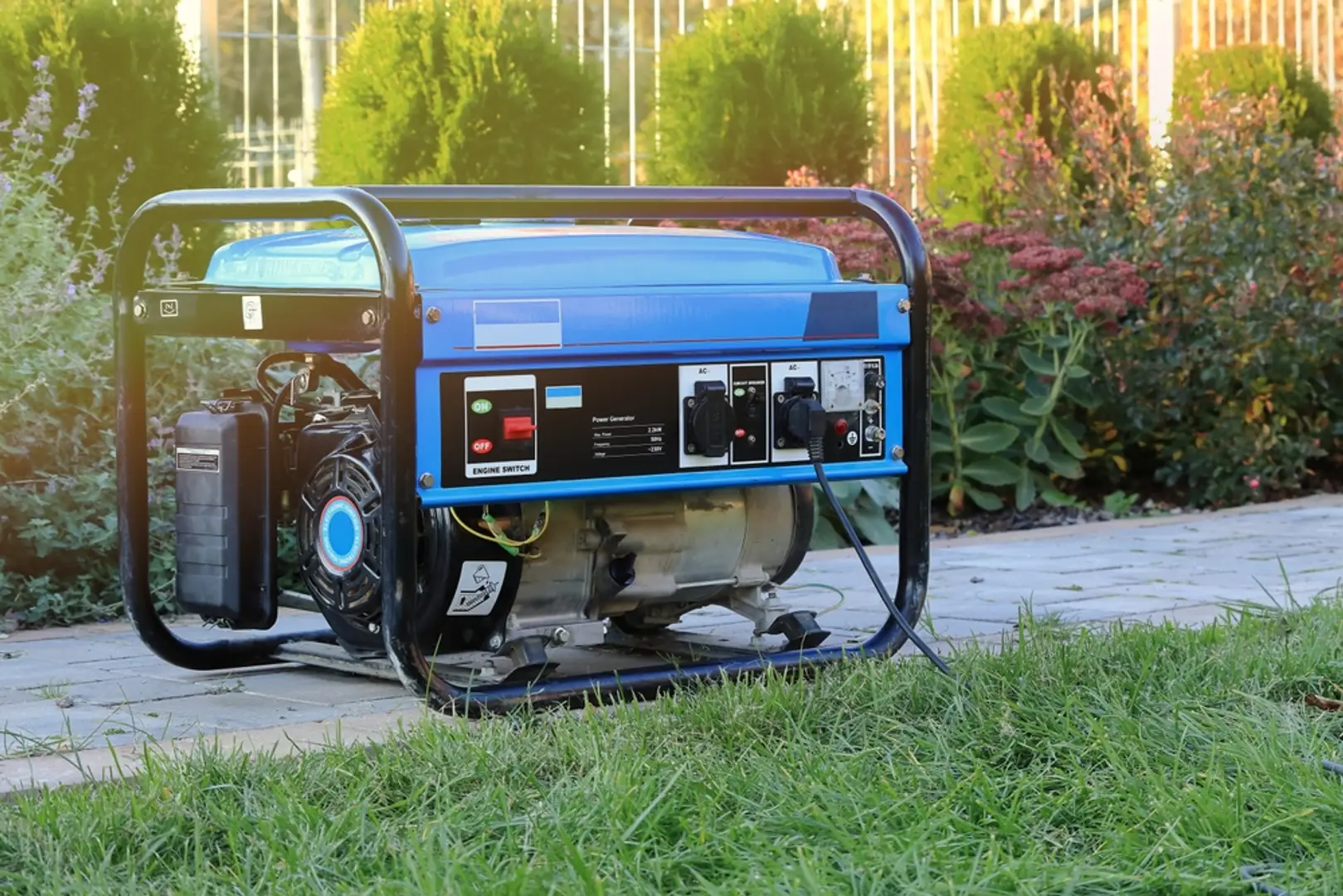
Choosing an inverter versus a regular generator can be somewhat overwhelming when you aim to get the best for your residence or commercial premises. Regular generators generate standard AC power, wherein voltage and frequency may vary. Being simpler machines means they usually cost less and are good for straightforward power needs like lighting or running simple appliances.
Inverter generators, on the other hand, use a more sophisticated mechanism to create electricity with an unvarying kind of voltage with the least vhich variation possible in voltage. This can be crucial for sensitive electronics like laptops, medical instruments, or laboratory devices. They are usually quieter, so they say, with the trade-off of being more expensive. In a hectic city like Melbourne, most homeowners and commercial owners prefer inverter models if modern tech gear is going to be hooked up, as inverter generators cannot take in some sort of power spikes.
Therefore, which occurs to be suitable for you? An ordinary generator is a cheap solution to keep a few essentials running-lighting and refrigeration-during a blackout. On the other hand, and certainly worth the investment, an inverter generator protects the expensive electronics or provides stable power for another commercial purpose. It could never be late for frequent generator inspection after such a choice, so the standby equipment is ready whenever the lights go off.
Your house power requirements can vary with size and the types of appliances they run. Some households require rarely intermittent backup power during weather-related outages; others might be more regular users of generators. In this case, for somewhat ad-hoc and intermittent electricity for very basic end use, a fixed-or-installed generator will do the job.
An inverter generator may be a better option if you require clean uninterrupted power to protect sensitive devices or run heavy equipment. It is also quieter and consumes less fuel. Not to mention, these units are generally compact, making them easier to store and maintain when compared to some heavier, traditional generators.
Still stuck on which route to choose? Consider talking with backup generator installers who are familiar with Australian conditions. They can help analyse your power usage, ensure the correct size for your generator, and explain which type will deliver the best bang for your buck. Plus, they might hint at special local regulations or guidelines for home generator installations.
These locations demand heavy machinery and tremendous power. For the facility, reasonable quality plus sustainability are simply non-negotiables. If you are running any factory or large commercial space in Melbourne, you want an installed generator that can supply steady voltage without fail because the slightest downtime can eat up big bucks.
When choosing an industrial generator, consider load requirements, fuel type, and potential expansions. You’ll also want to confirm easy access for servicing, so you can keep up with the preventive maintenance of diesel generator systems. Spending a bit more time and money now on a premium industrial generator might prevent huge complications later.
Regularly scheduling industrial generator maintenance is another must. In fact, the frequency of servicing should be higher than it might be for residential units, mainly because companies can’t afford any power interruptions. So, if your business is in the thick of Melbourne’s industrial zones, make sure your generator is robust enough to handle whatever the job throws at it.
Troubleshooting Common Generator Problems
Generators are very sturdy machines, but that doesn’t mean they can’t have their little hiccups. But, the good news is if you can identify where the problem is, there is a good chance it has easy fixes for many common troubles. Think of troubleshooting as detective work—check the simplest possibilities first, like fuel levels and battery connections. If those aren’t the culprits, dig deeper into more specific mechanical or electrical areas.
Standby & Backup Generator Solutions
Standby and backup generators boast one thing in common: they’re there to shield you from power interruptions. However, these two categories of generators function slightly differently and require specific approaches to servicing. Standby units are often integrated into a building’s circuit and can switch on automatically when the main power fails. Backup generators, meanwhile, might be more portable, needing manual set-up or connection.
Standby Generator Maintenance Vs Standby Generator Service
Standby generator maintenance usually refers to the general upkeep tasks you perform or schedule, like changing oil, checking batteries, and cleaning air filters. These smaller tasks keep your standby generator healthy day-to-day. Standby generator service is a bit different—it involves a trained technician’s deeper inspection, testing all parts to confirm proper operation.
Backup Generator Installation: What You Need To Know
.webp)
Installation of a backup generator involves fairly complex planning. For the first, the right generator size must be selected to correspond to the appliances meant to be working with. Oversizing wastes fuel consumption and money, while undersizing pushes the unit on a hard working course. When in doubt, always get a professional to do the calculations for your total load requirements.
Emergency Generator Installation & Safety Considerations
In emergencies, a power generator usually produces power around the clock. Therefore, it is good to place the generator in an open-air setup so that no window or door appears in the vicinity-would stop carbon monoxide poisoning from getting in. There must be an adequate intake of fuel, safe to use and of good quality, for the inventory. Store fuels such as petroleum or diesel in approved containers only and far away from heat sources.
Backup Generator Maintenance: Preparedness For A Home Power Outage
Maintaining your backup generator is similar to maintaining any other piece of machinery. You may inspect the oil levels inside, always keep the battery in check, and run the generator under load at least once a month. If time gets a little tight, do remember to set a recurring alert on your phone or chart it on your calendar.
Commercial & Industrial Generator Maintenance
For larger complexes, factories, or office buildings, a generator can be an absolute lifeline. Whether it’s preventing data loss, supporting life-saving equipment, or keeping assembly lines running, commercial and industrial generators face heightened demands. This is why industrial generator maintenance is so critical. A single failure could translate into huge costs, safety risks, or missed deadlines.
Conclusion:
Simply put, a reliable generator is a game-changer when it comes to power outages or unforeseen grid failures, especially down here in Melbourne. Inspections done regularly, a solid maintenance schedule, and timely addressing of issues can save your comfort and your important appliances. You keep the unit maintained so either the inverter generator or the regular one will never fail whenever you want to start it.
Related Posts
© 2026 Invastor. All Rights Reserved
User Comments