
Ai Content Generator
Ai Picture
Tell Your Story

 Ellic Latham
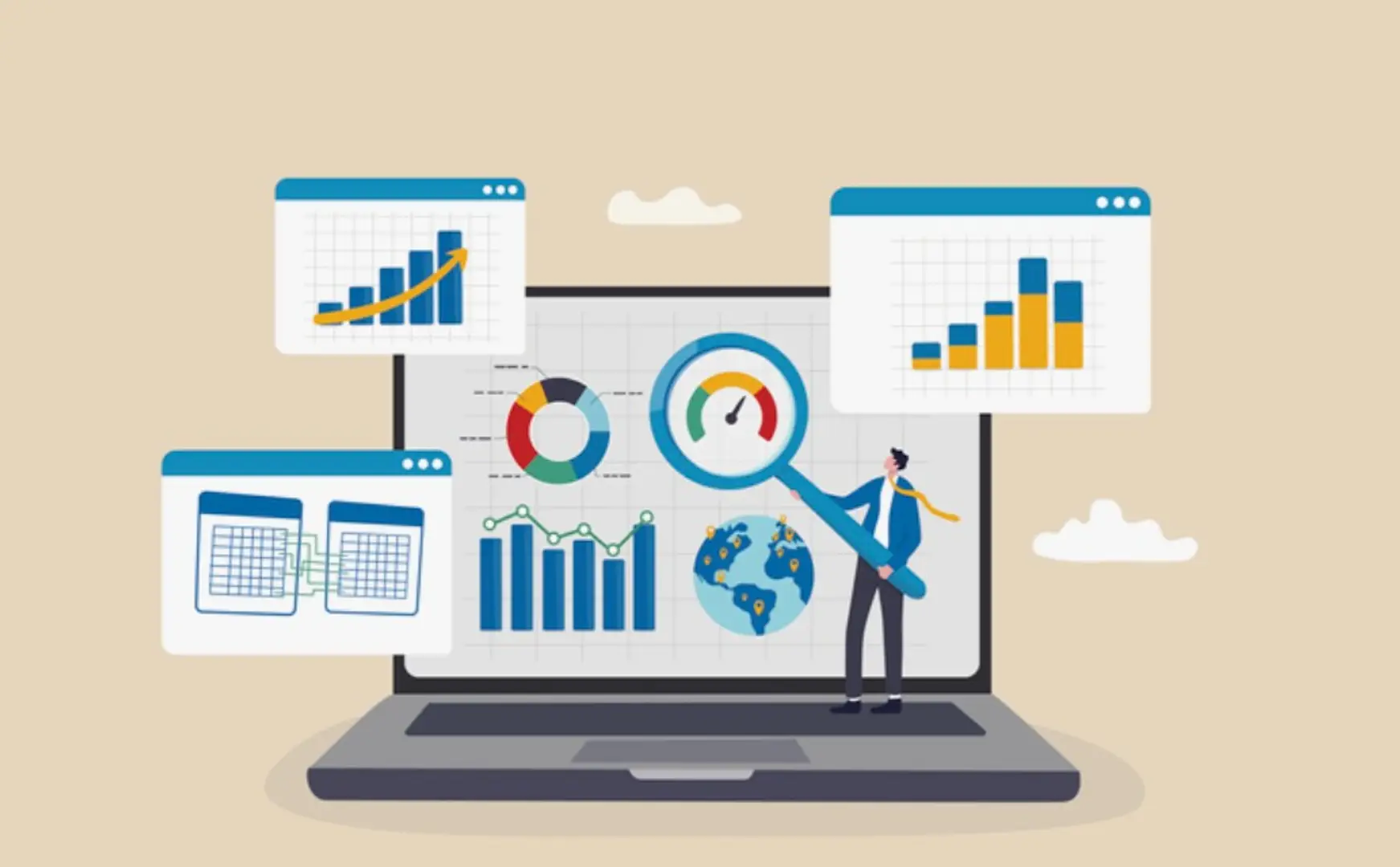
Predictive Analytics in Market Research: Is It Worth the Hype?
In today’s data-saturated business landscape, predictive analytics has emerged as a buzzword in boardrooms and strategy meetings. But beyond the hype, is it actually delivering value in market research—or just adding complexity?
For companies seeking to stay ahead of changing market dynamics and consumer behavior, predictive analytics offers more than just educated guesses. It uses historical data, algorithms, and machine learning to forecast future trends, behaviors, and market shifts. When applied correctly, it can supercharge decision-making across industries—from retail to healthcare market research consulting.
So, is predictive analytics worth the hype? Let’s break it down.
What Is Predictive Analytics in Market Research?
Predictive analytics is the process of using existing data to forecast future outcomes. In market research, this means:
- Anticipating customer preferences before they change
- Forecasting market demand for new products
- Identifying emerging risks and opportunities in competitive landscapes
These predictions aren’t random—they’re powered by structured models that process large datasets from surveys, CRM systems, online behavior, and even expert interviews.
How Predictive Analytics Enhances Market Research
1- Informed Product Development
Instead of building a product and hoping it sticks, predictive models can help teams anticipate what customers will need months or years ahead.
2- Targeted Marketing
Brands can tailor campaigns to predicted consumer segments, reducing wasted spend and increasing ROI.
3- Competitive Advantage
By identifying patterns and weak signals in the data, businesses can act before their competitors do.
4- Scenario Planning
Predictive analytics allows organizations to simulate different market scenarios and adjust strategies accordingly—ideal for volatile sectors like healthcare or tech.
Applications in Healthcare Market Research Consulting
In healthcare market research consulting, predictive analytics is helping stakeholders forecast everything from patient demand and treatment adoption rates to regulatory risks and supply chain bottlenecks. For example:
- Pharmaceutical firms use it to predict trial enrollment rates and regional drug demand.
- Hospitals use it to forecast patient volumes or staff shortages.
- Medical device companies use predictive models to fine-tune go-to-market strategies.
This approach enables more agile, data-driven decision-making in a sector where delays can mean lost revenue—or even patient lives.

Challenges and Limitations
Despite its promise, predictive analytics isn’t a silver bullet:
- Data Quality: Inaccurate or incomplete data leads to flawed predictions.
- Model Transparency: Black-box algorithms can be hard to explain to stakeholders.
- Overfitting: Some models perform well historically but fail in real-world applications.
- Cost and Expertise: Implementing predictive analytics requires skilled analysts and tech infrastructure.
This is where choosing the right B2B market research methods becomes essential. Blending predictive models with traditional techniques like qualitative interviews and expert panels ensures that insights are not just statistically valid, but contextually relevant.
Integration with CRM and Real-Time Data Sources
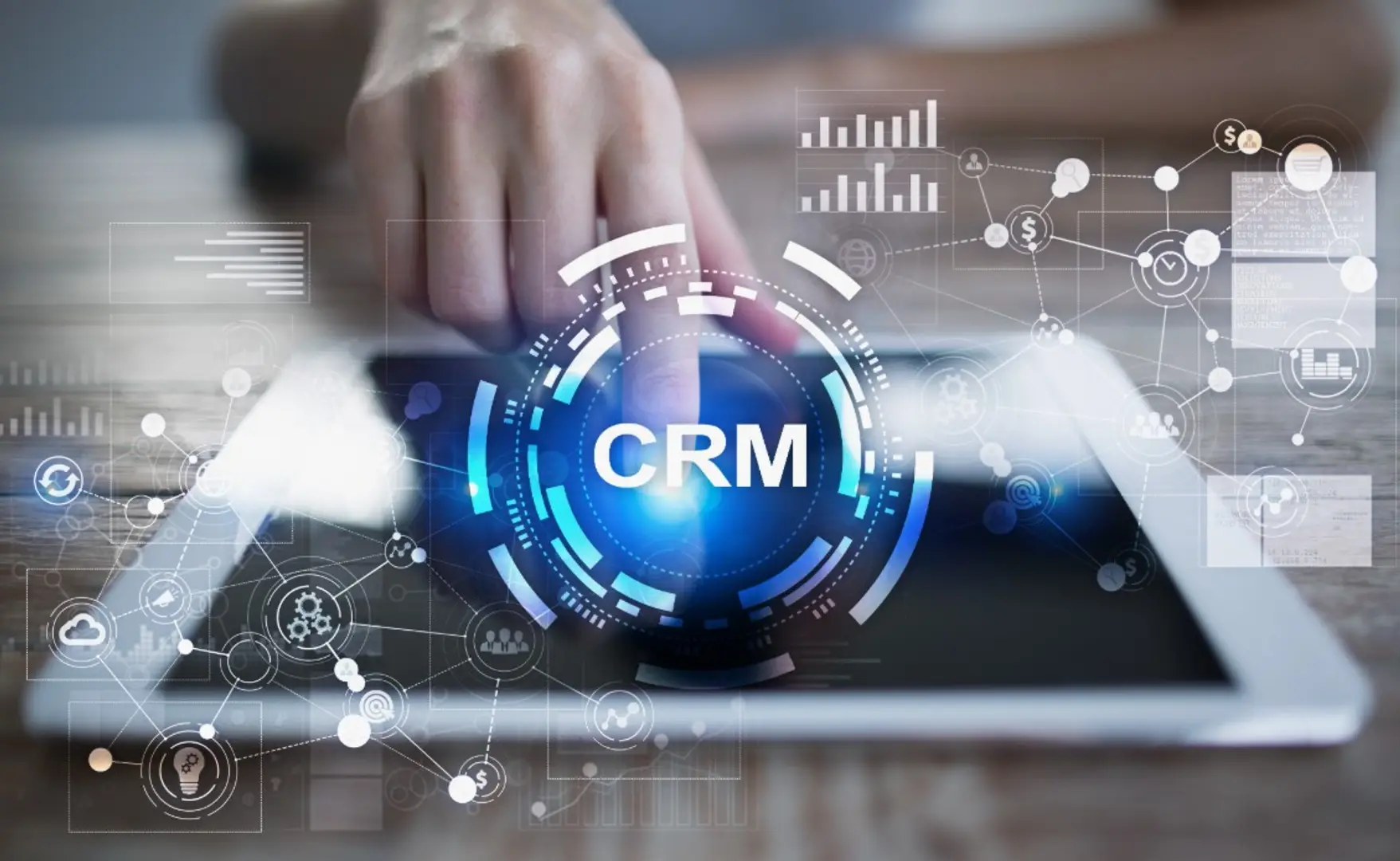
One of the most powerful applications of predictive analytics lies in its ability to sync with real-time customer data via CRMs, ERPs, and online behavior tracking tools. This continuous feedback loop allows market research teams to:
- Update forecasts dynamically
- Personalize outreach based on customer lifecycle stage
- Identify churn risks or upsell opportunities in real time
For B2B organizations, integrating predictive models with CRM systems also allows sales and marketing to coordinate more effectively, maximizing lead conversion and retention strategies.
Ethical Considerations and Bias in Prediction
As predictive models become more complex, so do the ethical questions surrounding them. Poorly designed algorithms can reinforce existing biases or misrepresent marginalized groups, especially in sensitive sectors like healthcare and finance.
To mitigate these risks:
- Use diverse data sets during model training
- Conduct regular audits for algorithmic fairness
- Combine machine predictions with human oversight and qualitative research
When it comes to ethical market intelligence, transparency and accountability should always accompany innovation.
Future Outlook: The Rise of Predictive + Prescriptive Research
Looking ahead, the next evolution in market research combines predictive analytics with prescriptive analytics—tools that not only forecast the future but recommend optimal actions.
Imagine a market research dashboard that tells you:
- Which product feature to prioritize next quarter
- Which region to expand into first
- How to reallocate your marketing spend for maximum ROI
This proactive decision-making framework is already emerging in leading-edge consultancies and in-house analytics teams. For organizations invested in continuous learning and adaptation, the future of market research lies in becoming not just informed—but foresighted and action-ready.
The Verdict: Worth the Hype—If Done Right
Predictive analytics is absolutely worth the investment—but only if used with strategic clarity and realistic expectations. It’s not a replacement for foundational market research; it’s a powerful complement.
For firms that ground their analytics in robust methodologies, clean data, and cross-functional collaboration, predictive analytics can unlock faster, more accurate, and more profitable decisions.
Conclusion
In an era of rapid change and increasing competition, knowing what’s likely to happen next can set your business apart. Predictive analytics, when integrated thoughtfully into your research stack, can be a game-changer—especially in complex sectors like healthcare and B2B markets. But like all tools, its value depends on how wisely it’s used.
Related Posts
© 2025 Invastor. All Rights Reserved
User Comments