
Ai Content Generator
Ai Picture
Tell Your Story

 Century 21 XSELL REALTY
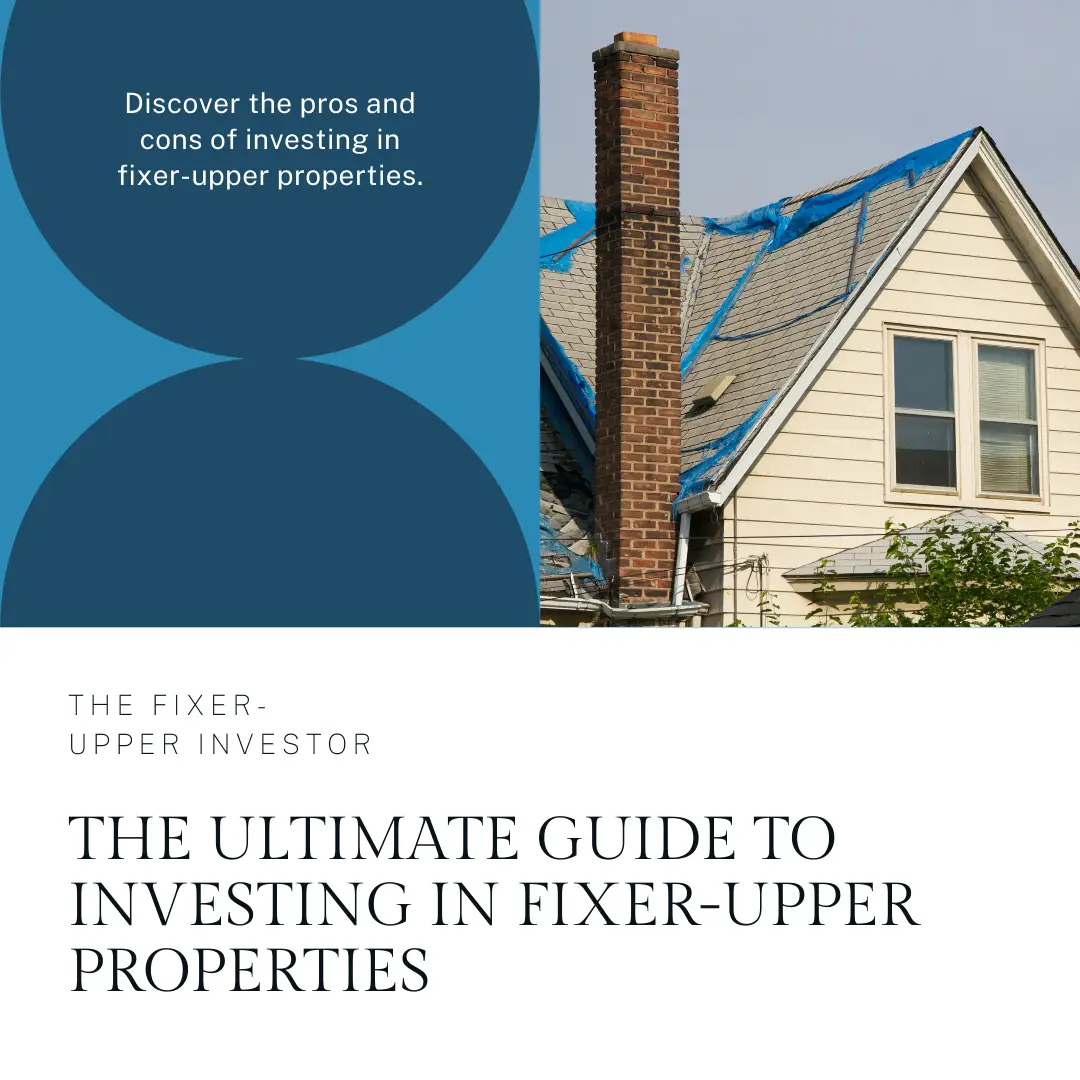
The Ultimate Guide to Investing in Fixer-Upper Properties: Pros and Cons This blog post will provide a comprehensive overview of the advantages and disadvantages of investing in fixer-upper properties. It will cover aspects such as potential cost savings, increased control over renovations, and the potential for higher returns, as well as the challenges of dealing with unexpected expenses, time-consuming renovations, and potential hidden issues.
This blog post aims to provide a comprehensive overview of the pros and cons of investing in fixer-upper properties. Whether you're a seasoned investor or a first-time buyer, understanding the advantages and disadvantages of this type of investment can help you make informed decisions. Let's dive into the details:
Advantages of Investing in Fixer-Upper Properties
Potential Cost Savings: One of the primary advantages of investing in fixer-upper properties is the potential for cost savings. These properties are typically priced lower than move-in-ready homes, allowing investors to purchase them at a discount. By putting in some sweat equity and making necessary renovations, you can increase the property's value and potentially generate a higher return on your investment.
Increased Control Over Renovations: Investing in a fixer-upper property gives you the freedom to customize and renovate it according to your preferences. You have the opportunity to choose the materials, layout, and design elements that align with your vision. This level of control can be appealing to investors who want to create a unique space or cater to a specific target market.
Potential for Higher Returns: Fixer-upper properties have the potential to offer higher returns compared to move-in-ready homes. By purchasing a property at a lower price, investing in strategic renovations, and increasing its value, you can potentially sell it for a profit or generate higher rental income. The key is to carefully analyze the market, assess the property's potential, and execute renovations that align with the target market's preferences.
Challenges of Investing in Fixer-Upper Properties
Dealing with Unexpected Expenses: One of the challenges of investing in fixer-upper properties is the potential for unexpected expenses. Renovations often uncover hidden issues or structural problems that may require additional funds to address. It's crucial to budget for contingencies and conduct thorough inspections before purchasing a fixer-upper property to minimize the risk of unforeseen costs.
Time-Consuming Renovations: Renovating a fixer-upper property can be a time-consuming process. Depending on the extent of the renovations required, it may take weeks or even months to complete the project. Investors need to carefully consider their available time and resources before taking on a fixer-upper property to ensure they can manage the renovation process effectively.
Potential Hidden Issues: Fixer-upper properties may come with hidden issues that are not immediately apparent. These could include structural problems, plumbing or electrical issues, or even zoning or legal complications. It's essential to conduct thorough inspections and work with professionals such as contractors and home inspectors to identify and address any hidden issues before making a purchase.
Investing in fixer-upper properties can be a rewarding venture, but it requires careful consideration and planning. By weighing the advantages and challenges, conducting thorough due diligence, and working with experienced professionals, you can make informed investment decisions that align with your goals.
Related Posts
© 2025 Invastor. All Rights Reserved
User Comments