
Ai Content Generator
Ai Picture
Tell Your Story

 Lisa Webb
Immobilization in Pediatric Care: What Parents and Providers Should Know
Let’s talk about something most parents never want to think about—your child getting injured. Whether it’s a playground accident, a sports injury, or an emergency, the next few hours are a mix of panic, questions, and quick decisions. That’s where immobilization steps in. It acts like a calm, protective hug for injured limbs or bodies until healing begins.
Now, before your heart jumps into your throat, this blog is not here to scare you. It’s here to prepare you. Because when it comes to your child’s safety and healing, you only want facts and solutions. We’re breaking down immobilization in pediatric care—what it is, when it’s needed, how it works, and what every parent (and provider) should know to keep young patients safe.
What Is Immobilization in Pediatric Care?
Immobilization is exactly what it sounds like: keeping a part of the body from moving. In pediatric care, this is done to protect an injured area, whether it’s a broken bone, a twisted joint, or a spine that’s been hurt in an accident. For kids, who are still growing and constantly on the move, proper immobilization is crucial.
The goal is to stop movement to prevent further injury and promote proper healing. And while immobilization sounds serious (because it is), the tools used are specifically designed to be kid-friendly, safe, supportive, and sometimes even colorful to keep little patients calm and comfortable.
Why Pediatric Immobilization Is Different from Adults?
Kids’ bones are still growing, their joints are looser, and their bodies react differently to injuries and treatments. Here’s why immobilization matters even more for children:
- Growth plates are vulnerable: Injuries near growth plates can mess with bone development if not stabilized correctly.
- Kids don’t sit still: Unlike adults, children have an urge to move (even with a broken arm). That makes immobilization essential to protect healing zones.
- Emotional support is part of treatment: A child in pain is also a child in fear. Using the right immobilization medical supplies not only stabilizes their body but it also reassures their mind.
When is Immobilization Used in Pediatric Care?
Immobilization may be necessary in a variety of scenarios:
- Fractures: This is the most obvious one. Whether it’s a hairline crack or a full break, immobilization ensures bones stay aligned.
- Dislocations: A joint pushed out of place needs to stay still until it’s safely back where it belongs.
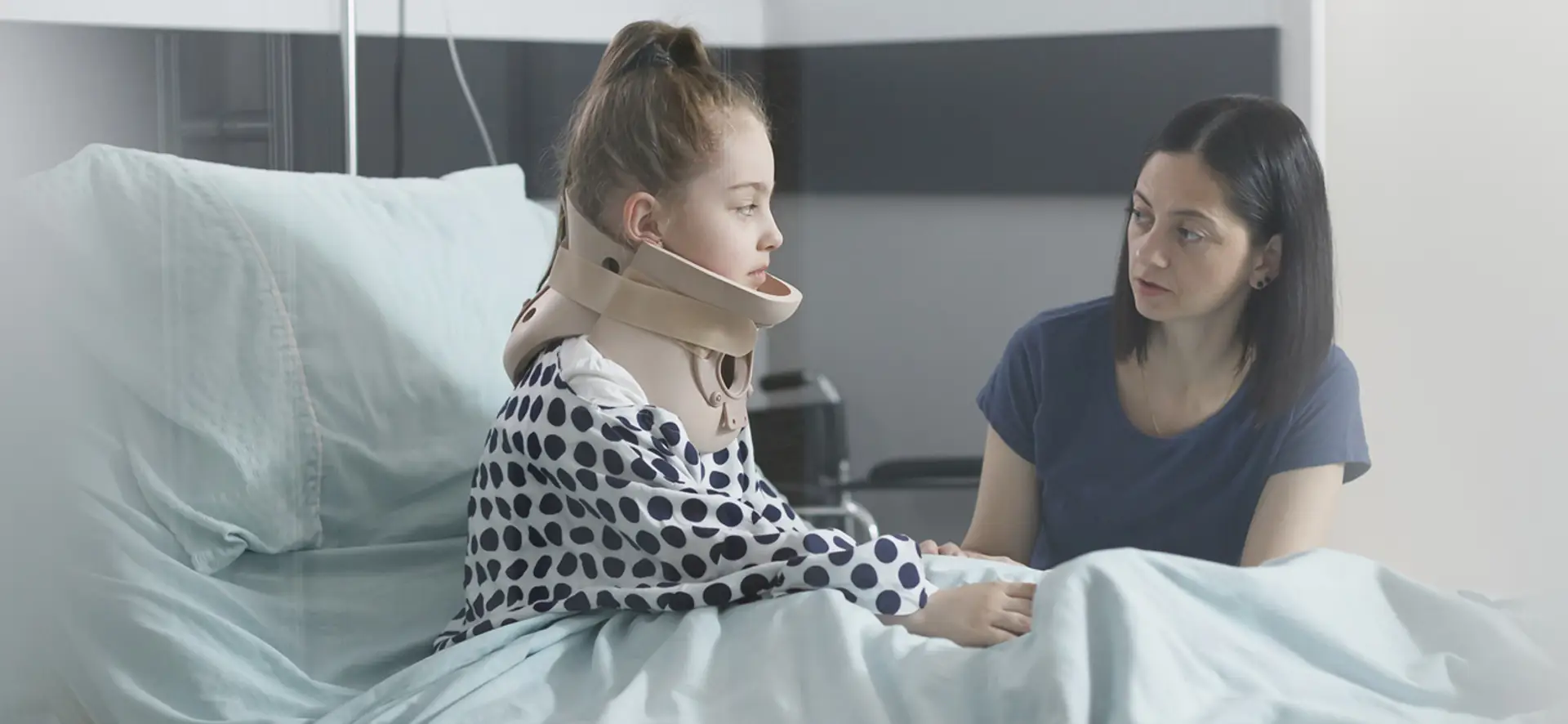
- Spinal injuries: If a child falls or is in a car accident, a spinal injury must be taken seriously. Immobilization medical supplies like spine boards or pediatric cervical collars can literally save lives.
- Burns: In cases of severe burns, immobilizing a limb can prevent skin and muscle from stretching and tearing during healing.
- Surgical recovery: After orthopedic surgery, keeping the area still helps the stitches, plates, and bones do their job.
Common Pediatric Immobilization Devices
Pediatric immobilization devices are made specifically for smaller bodies with growing bones. Here are a few you should know:
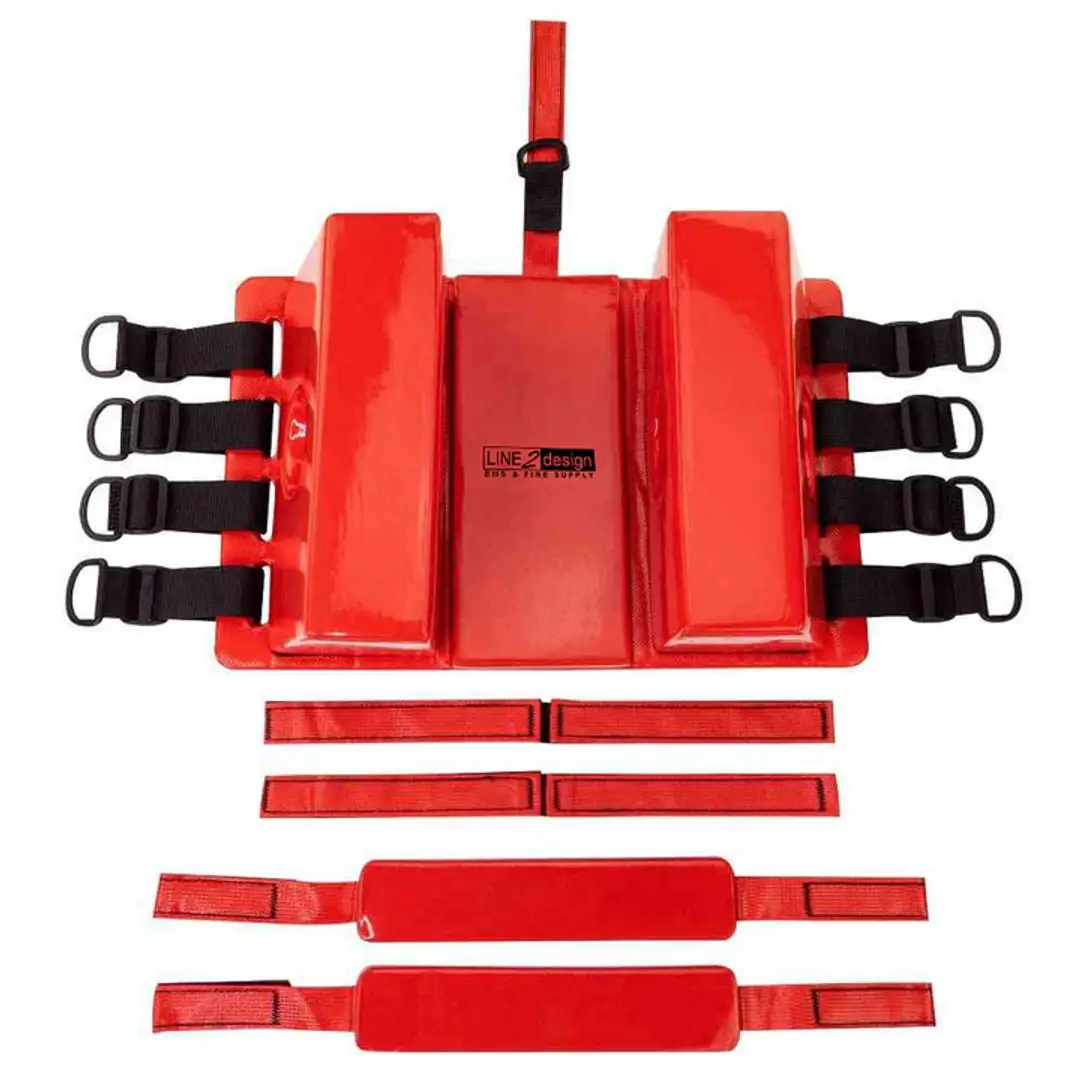
Pediatric Spine Boards
They come in handy during emergency transport. These boards keep the entire body still and aligned. They usually come with padded straps and head immobilizers to prevent neck movement.
Cervical Collars for Kids
Soft but sturdy neck braces that protect the cervical spine. If there’s even a hint of neck trauma, these are non-negotiable.
Splints and Casts
Usually made of plaster or fiberglass, casts wrap around an injured limb to keep it 100% still. No bending and twisting, making it perfect for healing broken bones. Plus, you can get it in different colors (we’ve all seen a kid showing off a colorful arm cast in school).
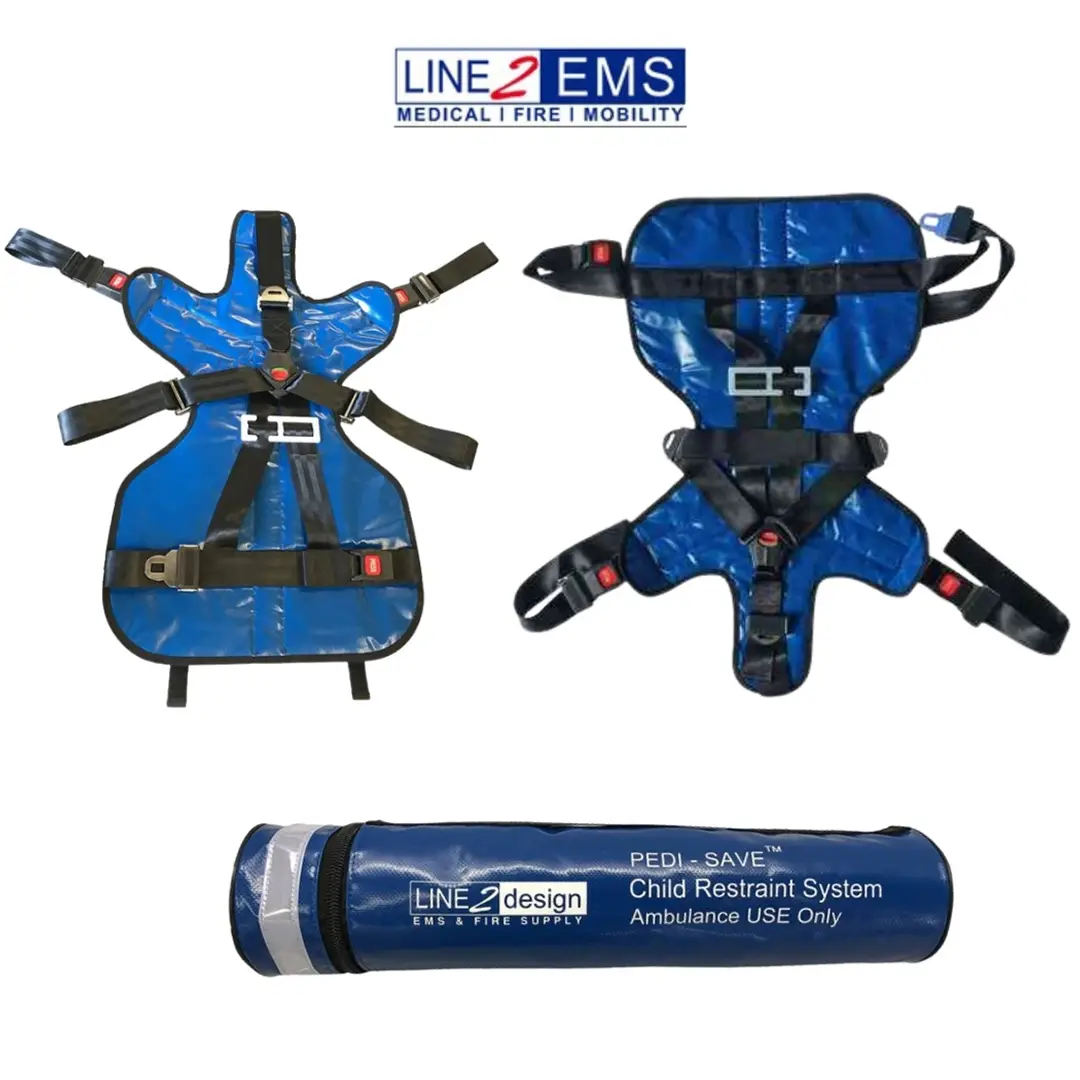
Restraint Systems for EMS Use
In ambulances, these systems make sure the child doesn’t slide or move during transport. They’re padded, adjustable, and designed for comfort and safety.
If your hospital or EMS team is using outdated or one-size-fits-all equipment, it’s time for an upgrade. Immobilization medical supplies should be age-appropriate, size-appropriate, and 100% reliable.
What Parents Need to Know (and Do)
If your child has to be immobilized (temporarily or long-term), your role as a parent becomes much-more critical. Here’s what you must keep an eye on:
- Skin Irritation: Immobilization devices that rub, pinch, or cause rashes need adjusting. Make sure to check in with your kid about this.
- Swelling and Circulation: If fingers or toes are turning blue or cold, that’s an emergency. Ensure that their fingers stay warm and pink.
- Comfort and Anxiety: Some kids will panic just from being confined. Use distractions, explain things in simple language, and ask the provider to walk your child through the process gently.
- Device Fit: Kids grow pretty fast. What fit last week may not fit this week. Keep checking the fit of casts, braces, or collars.
What Providers Should Keep In Mind
If you’re a healthcare provider working with children, immobilization is as much about technique as it is about empathy.
- Stock immobilization medical supplies for every age-group in every ER, clinic, and ambulance.
- Train your staff on proper application. A poorly placed splint can do more harm than good.
- Educate the parents. A confused or anxious parent makes healing harder.
- Choose the right pediatric immobilization device. It is the one that fits snugly, supports healing, and doesn’t cause new problems.
Final Thoughts
Injuries are always scary. But immobilization in pediatric care is one of the most effective tools we have. It gives the body a chance to rest and reset. Whether it’s a cast or a brace, the goal is always the same: keep kids safe, help them heal, and get them back to being kids again.
If you’re a parent, stay calm, ask questions, and trust the process. If you’re a provider, choose the best immobilization medical supplies available and keep reassuring. Because in the world of pediatric care, every small step counts, especially when those steps are still learning how to walk, run, and play.
Related Posts
© 2025 Invastor. All Rights Reserved
User Comments