
Ai Content Generator
Ai Picture
Tell Your Story

 Jack 678
How Will a Roof Rack Affect Your Car? Here’s What You Should Know
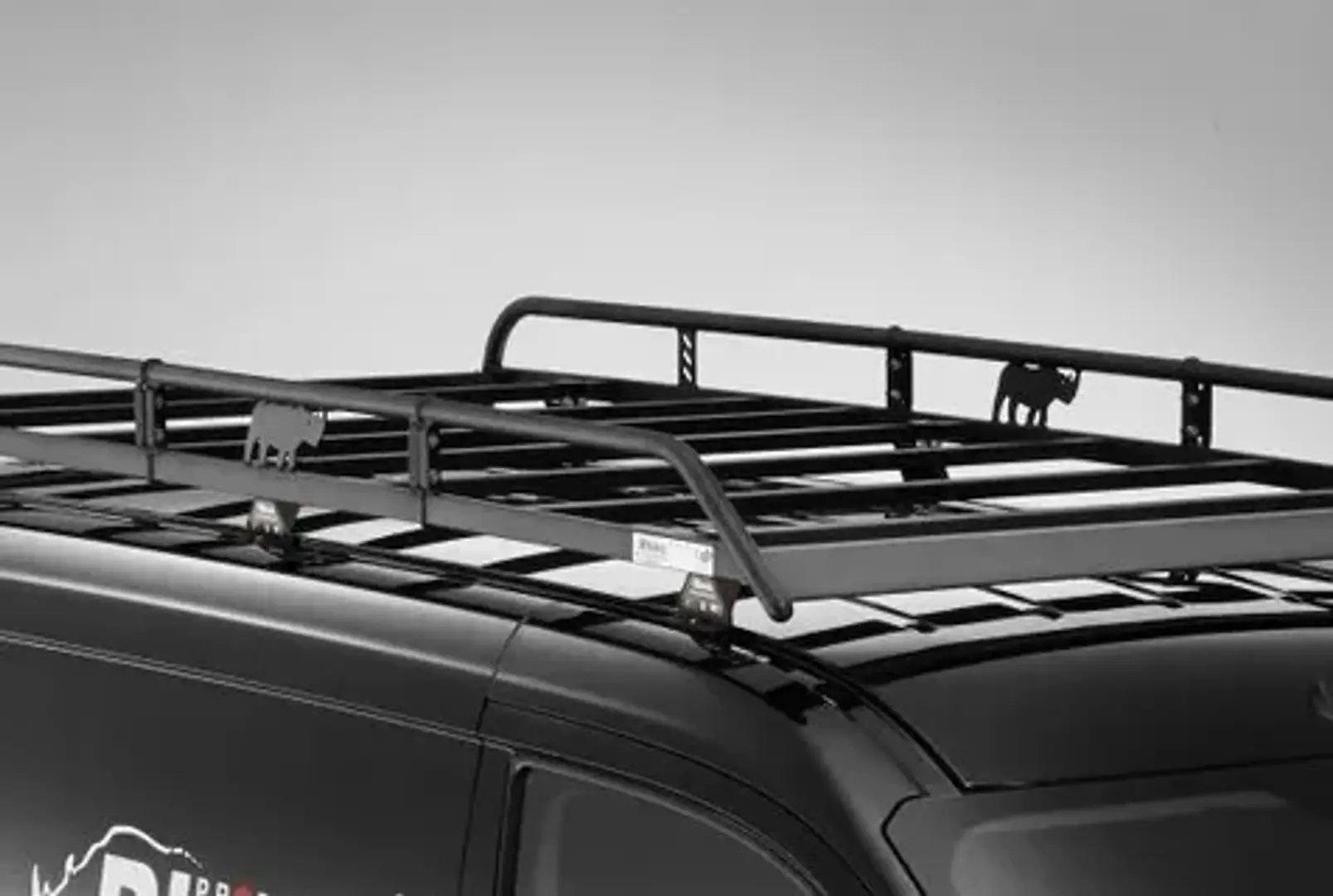
Planning a road trip or outdoor adventure often comes with a familiar challenge—space. That’s where roof racks step in as a game-changer. A roof rack gives you the extra room you need to haul gear, luggage, bikes, kayaks, and more. But before you mount one on your vehicle, it’s worth understanding exactly how a roof rack will affect your car.
In this post, we’ll break down the impact of roof racks on your vehicle’s performance, fuel economy, and safety, so you can make the right choice for your needs.
Added Convenience Comes at a Cost
There’s no denying that a roof rack increases your car’s utility. Whether you’re an avid camper or just heading out for a family vacation, having that extra storage space is a huge plus. But it’s not all upside—roof racks can affect your vehicle in several ways, and some of them might surprise you.
- Fuel Efficiency Takes a Hit
One of the most noticeable effects of installing a roof rack is reduced fuel efficiency. The added weight and altered aerodynamics create more drag, forcing your engine to work harder. Even an empty roof rack can increase wind resistance and lead to higher fuel consumption—by as much as 10-15% in some cases. If you’re loading it with gear, expect the hit on your MPG to be even higher.
- Handling and Stability May Change
Adding weight to the roof affects your car’s center of gravity. This can lead to reduced stability, especially when cornering or during sharp turns. You may also feel a difference in how the car handles in windy conditions. While most drivers adjust to the change quickly, it’s something to be aware of—especially if you drive a smaller car or plan to carry heavy loads.
- Increased Wear on Suspension and Tires
Carrying heavy loads up top can put extra stress on your suspension system and tires. Over time, this can lead to uneven tire wear and strain on the shocks and struts. If you frequently drive with a fully loaded roof rack, regular inspections and maintenance become even more critical to ensure your vehicle stays in good shape.
- Clearance and Accessibility Challenges
With a roof rack, your car is taller than usual. This can be a problem when entering garages, drive-thrus, or parking under low-hanging branches. If you’ve ever heard that dreaded scraping noise—yep, it’s because of clearance issues. Always check height restrictions and be mindful of your vehicle’s new dimensions.
- Potential for Roof Damage
Incorrect installation or overloading the rack can damage your car’s roof or roof rails. It’s important to follow manufacturer guidelines for weight limits and secure all gear properly. Using padded mounts and straps can also prevent scratching or denting the paint and surface.
- Conclusion
A roof rack can be incredibly useful, especially for people who love traveling, camping, or just need more storage space. However, it’s not without its drawbacks. Reduced fuel efficiency, altered handling, and added wear on the car are all factors to consider. If you choose to install one, be sure to follow best practices to minimize its impact on your vehicle and maximize its benefits.
FAQs
- Can a roof rack affect my car’s warranty?
It depends on the manufacturer. If the rack causes damage, it might void certain parts of your warranty. Always use approved accessories.
- Is it okay to drive with an empty roof rack?
Yes, but it still affects aerodynamics and fuel economy. Removing it when not in use is recommended.
- Do roof racks make a lot of noise?
Some do, especially at high speeds. Wind fairings can help reduce noise levels.
- How much weight can I safely carry on a roof rack?
Check your vehicle’s manual—most roof racks support 75 to 165 pounds, including the rack itself.
- Can I install a roof rack on any car?
Not always. Some vehicles require roof rails or special mounting points. Make sure your car is compatible before purchasing a rack.
Related Posts
© 2025 Invastor. All Rights Reserved
User Comments