
Ai Content Generator
Ai Picture
Tell Your Story

 Noah William
Plumbing Leak Detection: How to Identify and Fix Water Leaks Efficiently
Water leaks can lead to severe damage if left undetected, causing structural issues, mold growth, and high water bills. Plumbing leak detection is a crucial process that helps homeowners and businesses identify leaks before they escalate into costly repairs. Understanding how to detect, prevent, and repair leaks ensures your plumbing system remains efficient and damage-free.
Why Plumbing Leak Detection Is Essential
Leaks may seem minor, but over time, they can cause substantial damage to your home or commercial property. Plumbing leak detection helps in:
Preventing water wastage and reducing utility bills.
Avoiding structural damage to walls, floors, and ceilings.
Protecting against mold and mildew, which can cause health issues.
Identifying hidden leaks before they become major problems.
Common Signs You Need Plumbing Leak Detection
Many leaks remain undetected for weeks or even months. Here are common signs indicating you may have a leak:
Unusually High Water Bills: If your water usage hasn’t changed but your bill has increased, there may be a hidden leak.
Water Stains on Walls or Ceilings: Discolored patches indicate moisture accumulation due to leaking pipes.
Mold or Mildew Growth: Excess moisture from leaks promotes mold growth, especially in bathrooms and kitchens.
Low Water Pressure: Leaks reduce water pressure, making showers and faucets less effective.
Running Water Sounds: If you hear water running when no faucets are on, there may be a leak inside the walls.
Methods of Plumbing Leak Detection
Detecting a leak requires expertise and the right tools. Professional plumbers use various methods to identify leaks efficiently.
Visual Inspection
The first step in plumbing leak detection is a thorough visual inspection. Plumbers check for water stains, mold growth, and damp areas around pipes, faucets, and fixtures.
Water Meter Test
A simple way to detect leaks is by turning off all water-using appliances and monitoring the water meter. If the meter continues to move, there is likely a hidden leak.
Pressure Testing
Plumbers use pressure gauges to test the water pressure in pipes. A drop in pressure indicates a potential leak.
Acoustic Leak Detection
Specialized listening devices help plumbers hear the sound of leaking water inside walls, floors, and underground pipes.
Thermal Imaging
Infrared cameras detect temperature differences in walls and floors, revealing hidden leaks.
Dye Testing
Dye is added to plumbing systems to check for leaks in toilets, drains, and sewer lines.
Common Areas for Plumbing Leaks
Leaks can occur in various areas, and timely plumbing leak detection helps prevent major damage. Here are common places where leaks develop:
Faucets and Fixtures: Worn-out washers and seals cause dripping faucets.
Toilets: Faulty flappers and seal leaks waste gallons of water.
Water Heaters: Corrosion and cracks in the tank lead to slow leaks.
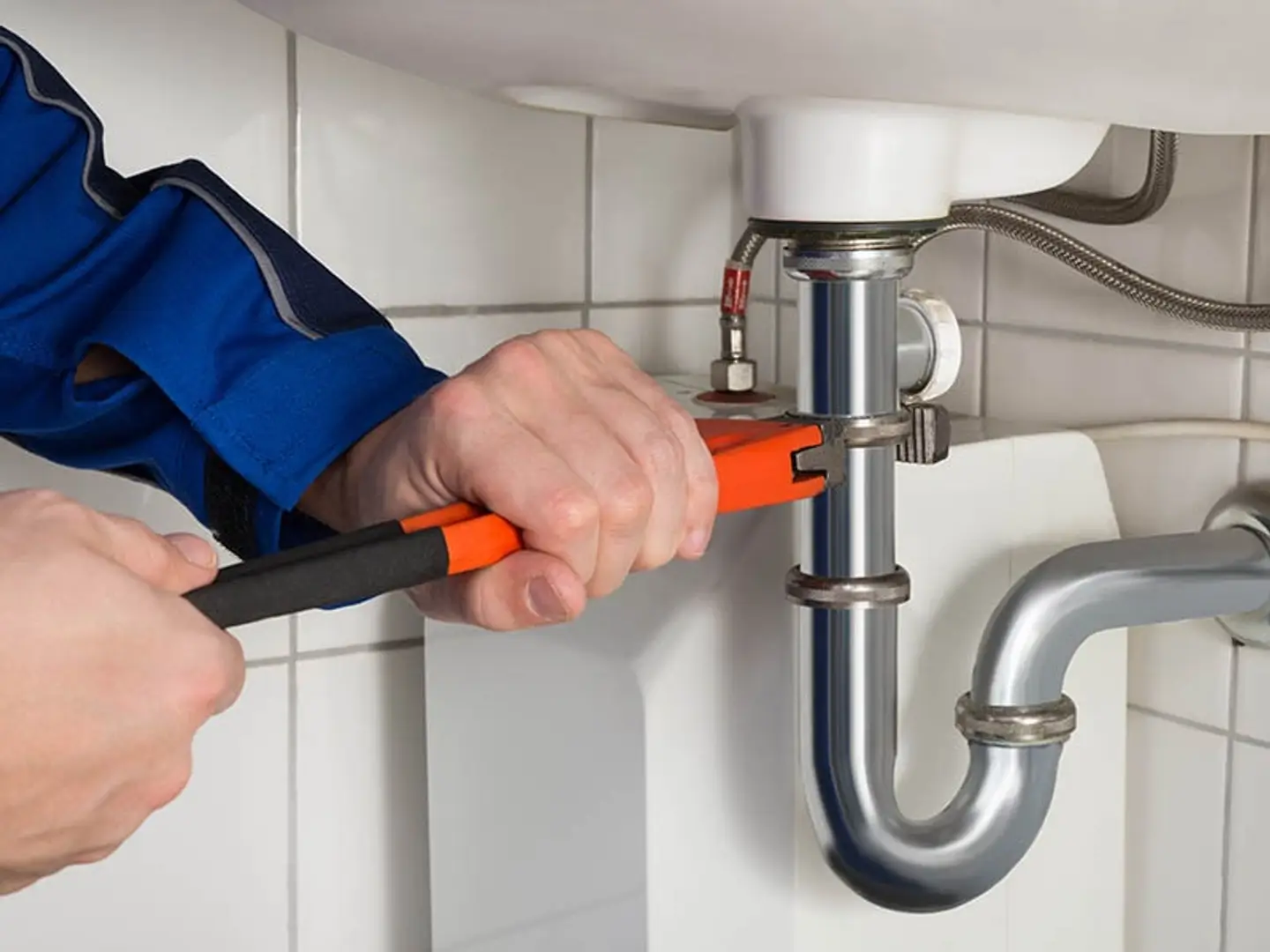
Pipes Under Sinks: Loose joints or damaged pipes cause leaks under kitchen and bathroom sinks.
Underground Pipes: These leaks are harder to detect and often require professional equipment.
How to Fix a Plumbing Leak
Once plumbing leak detection confirms a leak, it’s essential to fix it immediately to prevent further damage.
Fixing Faucet Leaks
Replacing washers, cartridges, or O-rings usually resolves dripping faucet leaks.
Repairing Toilet Leaks
A simple fix involves replacing a faulty flapper, while more severe leaks may require professional assistance.
Sealing Pipe Leaks
For minor pipe leaks, using plumber’s tape or epoxy putty provides a temporary solution until permanent repairs are made.
Replacing Damaged Pipes
If pipes are corroded or cracked, replacing them with durable materials like PEX or copper is the best solution.
Preventing Future Plumbing Leaks
Prevention is key to avoiding costly repairs. Here are tips to keep your plumbing system leak-free:
Schedule Regular Inspections: Professional plumbing inspections detect potential issues before they worsen.
Monitor Water Pressure: High water pressure strains pipes and increases the risk of leaks.
Replace Old Pipes: If your home has outdated pipes, upgrading to modern materials prevents future leaks.
Protect Pipes from Freezing: Insulate pipes in cold areas to prevent freezing and bursting.
When to Call a Professional for Plumbing Leak Detection
While minor leaks can be fixed with DIY methods, professional plumbers are necessary for:
Underground or hidden leaks that require specialized equipment.
Major pipe bursts that need urgent repairs.
Sewer line leaks, which pose health hazards.
Recurring leaks that indicate deeper plumbing system issues.
Conclusion
Plumbing leak detection is essential in maintaining a safe and efficient plumbing system. Identifying leaks early helps prevent costly damage and water wastage. Whether you’re dealing with minor leaks or complex plumbing issues, professional detection and repair ensure your home or business remains leak-free. Regular maintenance and inspections are the best ways to safeguard your plumbing system against future leaks.
Related Posts
© 2025 Invastor. All Rights Reserved
User Comments