
Ai Content Generator
Ai Picture
Tell Your Story


 Albert smith
The Ultimate Guide To Lawn Care: 6 Steps To A Healthier, Greener Yard
A green, healthy lawn is every homeowner’s dream, but it doesn’t happen with occasional watering and mowing. It is science and involves knowing your grass and soil and how to treat it right.
Unfortunately, putting the science into action and transforming a barren, flat lawn into a green oasis does not happen overnight. It requires patience and persistence while caring for your grass. Nonetheless, with determination and the right approaches, over time, you will have a beautiful, pest-free yard resistant to weeds and impervious to harsh weather.
This article will be perfect for any new or experienced enthusiast who wants to own a green yard. By following these steps, your yard will not only be aesthetically appealing but withstand what nature throws at it.
Now, let us dive in!
1) Test and Enrich Your Soil
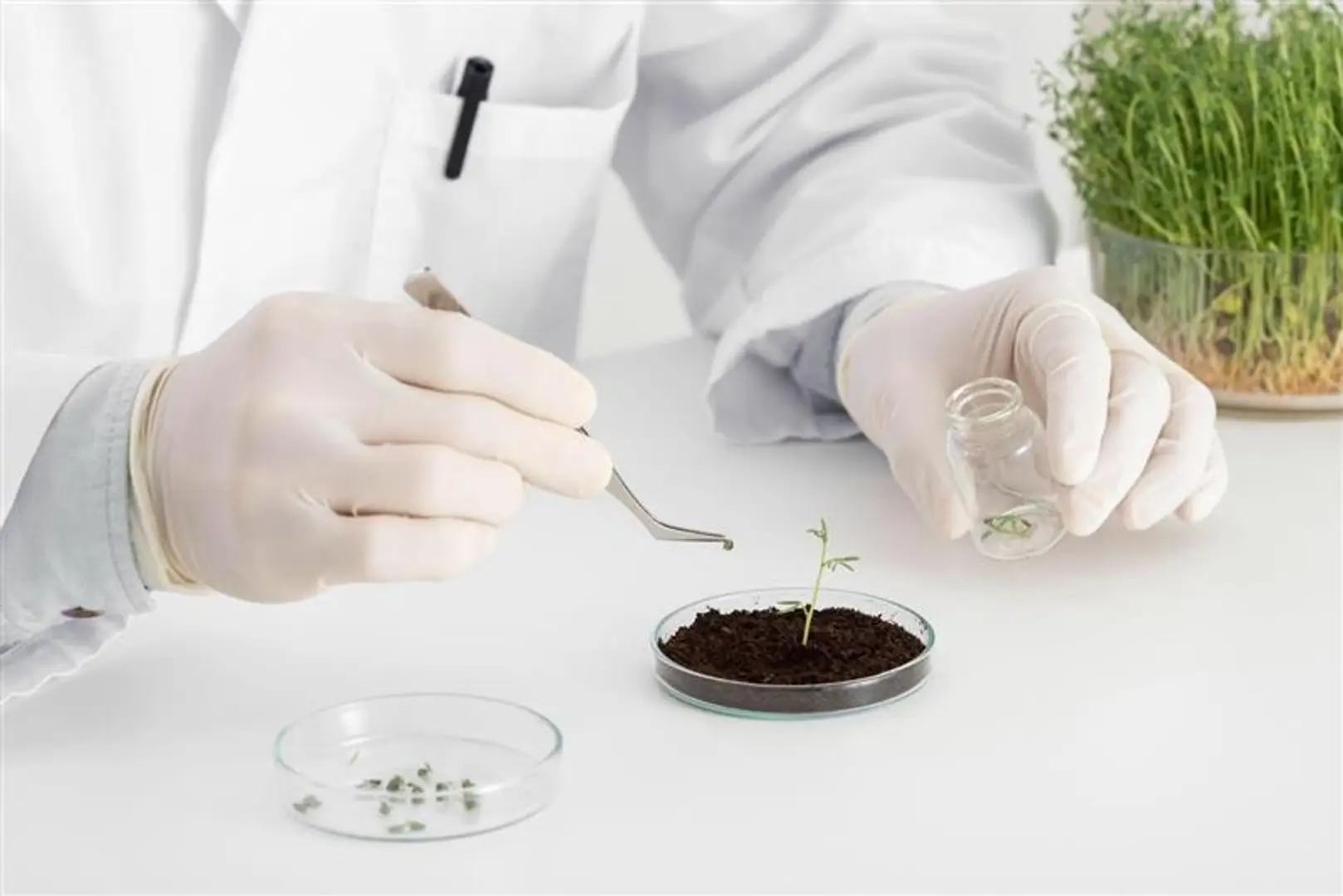
Healthy grass grows out of healthy soil. The right lawn care strategies are wasted if the soil isn’t right for its needs. Begin with testing the soil’s pH level and nutritional levels. Grass prefers soil with a pH level ranging from 6.0 to 7.0.
When the soil is too acidic, it must be balanced using lime. Sulfur reduces the soil’s pH level when the soil is too alkaline. In addition to fertility, adding organic matter like compost improves soil structure and drainage.
For optimal results, it’s best to seek professional help. For instance, if you reside in North Haven, Connecticut, or its surrounding areas, you can contact North Haven Lawn Care Company, who offer free lawn inspections and expert soil health and lawn maintenance guidance.
2) Pick the Right Grass Type
Next is the selection of the proper type of grass for your region. Not all grasses are the same; some handle cooler temperatures better than others, and others handle warmer temperatures better. For example, the north prefers the cool-season grasses like the Kentucky bluegrass and the fescue, and the south prefers the warm-season grasses like the Bermuda and the Zoysia.
Moreover, consider sunlight exposure, traffic, and water supply when choosing your grass. Moving to the grass most appropriate for your yard conditions promises smoother cultivation and reduced care.
3) Mow Regularly And Properly
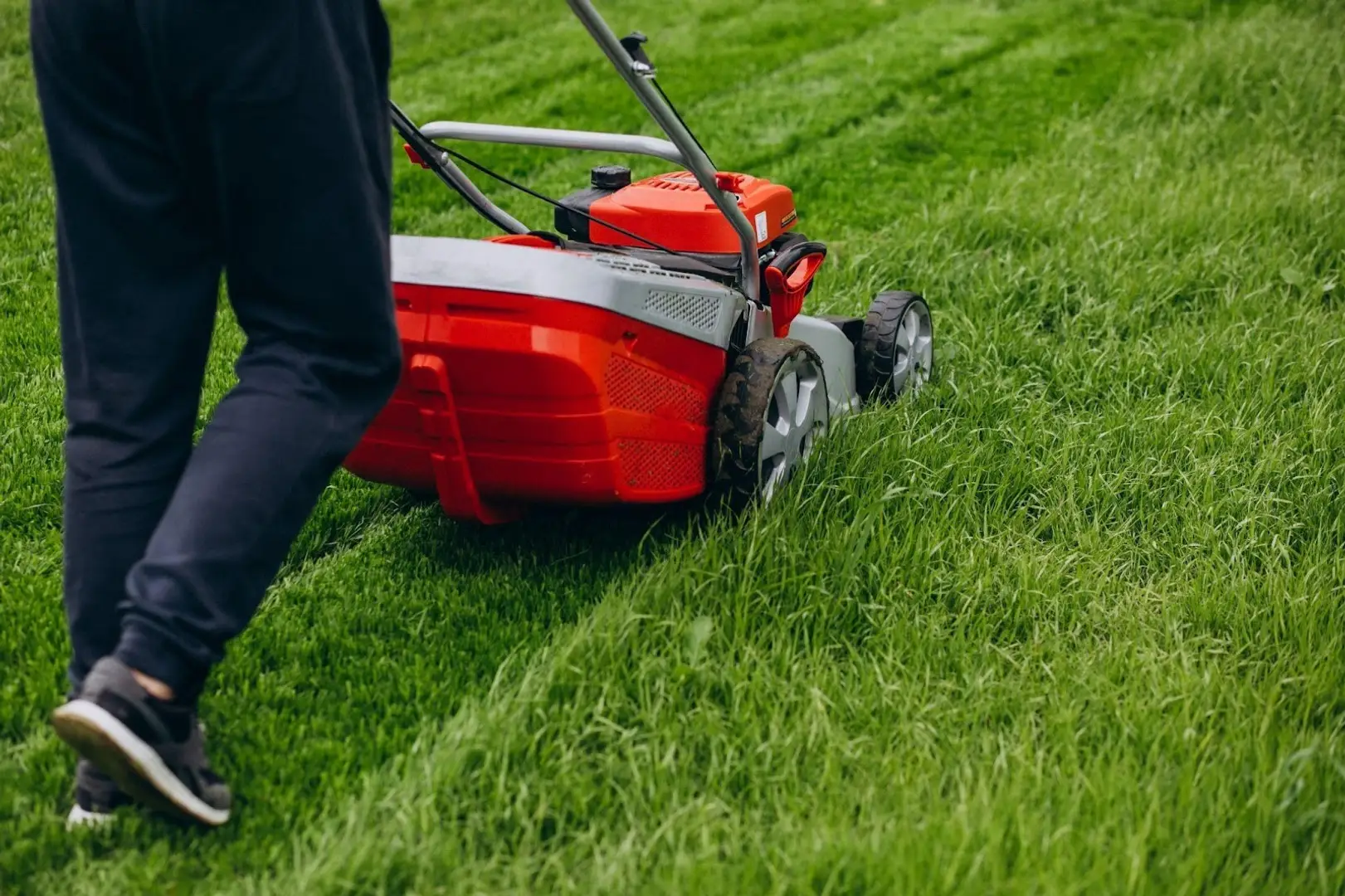
Lawn mowing is not a matter of just cutting the blades but a practice that will make or break the health of your lawn. To begin with, apply the rule of one-third: mow no more than one-third of the blade. Cutting the grass too short will stress it and open it to weeds and disease.
Along with this, keep mower blades sharp for clean cuts. Dull blades tear the grass and make it vulnerable to insects and diseases. Also, change mowing patterns each time to prevent soil compaction and encourage vertical growth.
4) Deep Water and Infrequently
Another yard care essential that was done wrongly is watering. Instead of shallow, frequent watering, do deep infrequent watering. It will induce the grass roots to dig deeper, making the yard dry-spell resistant.
Lawns need 1 to 1.5 inches of water per week, including rain. To ensure it is spread evenly, use a rain gauge or place tuna cans around your lawn to monitor the amount of water. You may also water early in the morning to minimize evaporation and fungal diseases.
Also, consider installing an intelligent irrigation system to maximize water application and save time.
5) Fertilize Strategy
Fertilization produces grass’s nutrients for healthy, green, dense growth. Too much fertilization is sometimes worse than no fertilization because it causes too much growth and subsequent loss through runoff. Fertilization must, therefore, be done correctly and with the right products.
Cool-season grasses should be fertilized early in the spring and fall when they produce new growth. Fertilize the warm-season grasses late in the spring and summer. Always follow the manufacturer’s instructions and apply slow-release fertilizers for ongoing supply.
As the Environmental Protection Agency (EPA) reported, the environmental effect will be reduced while the grass remains healthy with proper fertilization.
6) Control Weeds and Pests Naturally
Lastly, a healthy lawn protects you most against weeds and pests. Weeds love thinning poor grass; thus, through proper mowing, watering, and fertilization, a dense turn can prevent it from establishing itself. Hand-pull the ones already present gently without damaging beneficial organisms or using natural herbicides.
Similarly, when improperly maintained, grubs and chinch bugs are insects that will ruin your lawn. Moving towards organic control, such as introducing beneficial insects or neem oil application, will regulate the issues without exposing the lawn to harmful chemicals. If the infestation is too severe, a professional service will provide skilled solutions.
Conclusion
A greener, healthier lawn is within your reach with these six steps. Every practice, from soil testing to natural weed control, will make your yard beautiful and environmentally friendly. Remember that the key is regularity; regular care and timely maintenance will yield permanent results.
By following these techniques, not just your yard’s appearance but the world as a whole will also be better. Put on the garden gloves and get going—your dream lawn is within arm’s reach.
Related Posts
© 2025 Invastor. All Rights Reserved
User Comments